Connect with us

News

FG Lifts Ban on Mineral Exploration in Zamfara

Published

on

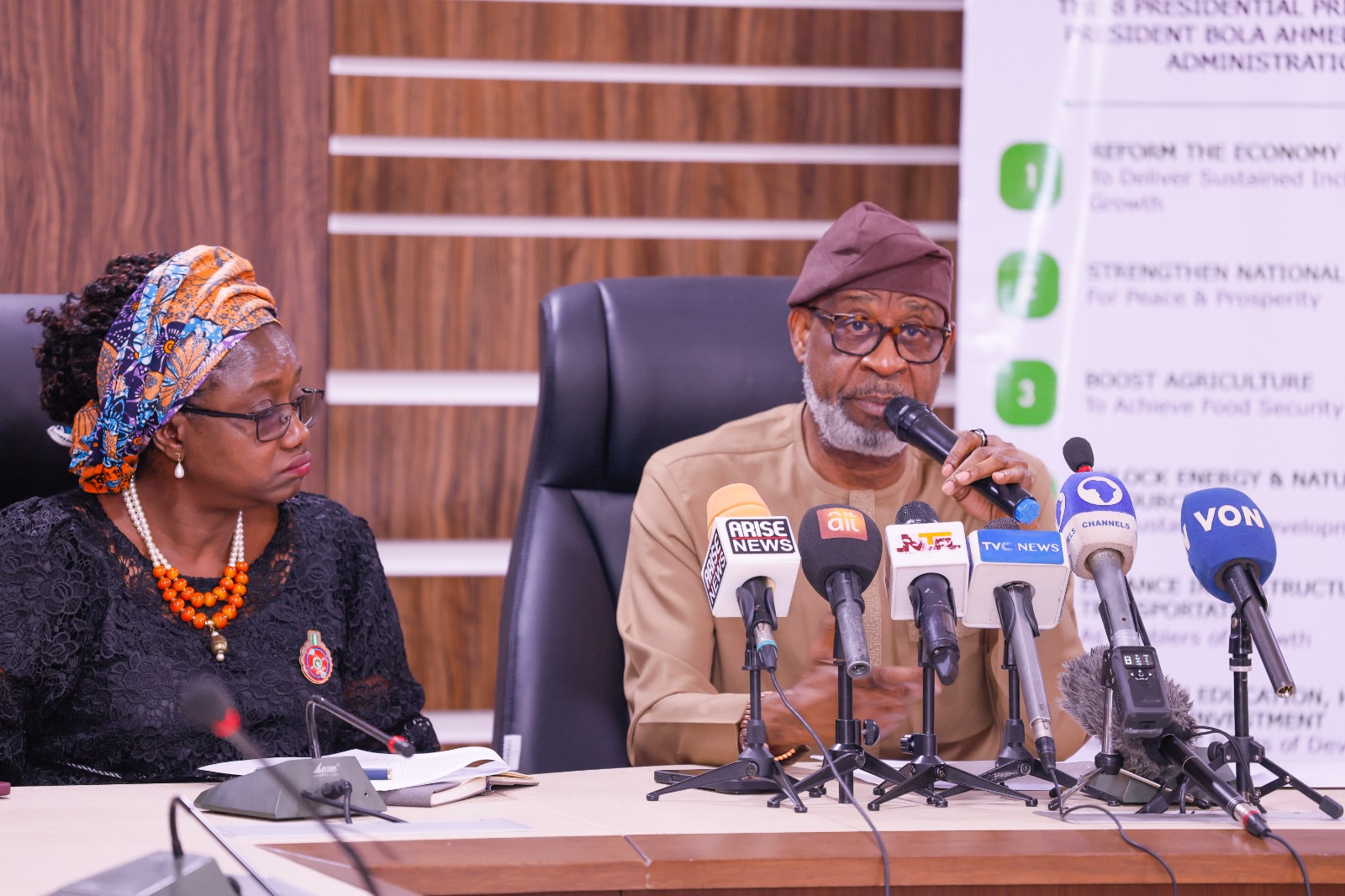
After more than five years of security restriction, the Federal Government has lifted the ban on mining exploration activities in Zamfara State, citing significant improvements in the security situation across the state, according to a statement signed by Special Assistant on Media to the Honourable Minister of Solid Minerals Development, Segun Tomori, and made available to The Boss.

Making the announcement during a press briefing at the weekend, the Minister of Solid Minerals Development, Dr. Dele Alake stated that the nation has a lot to gain from reawakened economic activities in a highly mineralised state like Zamfara that is imbued with vast gold, Lithium, and copper belts. He noted that the previous ban, which was good intentioned, inadvertently created a vacuum exploited by illegal miners to fleece the nation of its resources. He emphasized that the state’s potential for contributing to national revenue is enormous.

It will be recalled that in 2019, the federal government imposed a total ban on mining activities in Zamfara State due to the escalating security concerns, particularly the links between banditry and illegal mining.

Since the beginning of the Tinubu administration, however, intelligence-driven, coordinated security operations have resulted in the neutralization of key bandit commanders, significantly reducing incidents of insecurity. A recent success was the capture of one of the most wanted bandit commanders, Halilu Sububu, in a covert operation in Zamfara.

“The existential threat to lives and properties that led to the 2019 ban has abated. The security operatives’ giant strides have led to a notable reduction in the level of insecurity, and with the ban on exploration lifted, Zamfara’s mining sector can gradually begin contributing to the nation’s revenue pool,” Alake asserted.

The minister added that the lifting of the ban would also facilitate better regulation of mining activities in the state. This will enable more effective intelligence gathering to combat illegal mining and ensure the country benefits from the state’s rich mineral resources.

Commending members of the fourth estate of the realm for championing the propagation of reforms and initiatives of the ministry in 2024, Alake noted that the press have been key allies in efforts to sanitise the mining sector, and promote market reforms which have made the industry attractive to indigenous and foreign investors.

On the recent controversy surrounding the Memorandum of Understanding (MOU) with France, Alake reaffirmed the Federal Government’s position that the agreement does not imply Nigeria is relinquishing control over its mineral resources or entering into any military pact with France. He emphasized that Nigeria’s military remains fully capable of safeguarding the nation’s territorial integrity.

“The high point of the MOU is on training and capacity building for our mining professionals. We need all the assistance we can get in terms of capacity, technical, and financial support from abroad, and that wasn’t even the first we are signing. We’ve signed similar ones with Germany and Australia. Deliberate peddling of misinformation, despite facts to the contrary, is uncalled for, “the minister emphasised.

Dr. Alake also urged the media to continue to play its crucial role in educating the public about government policies in order to prevent ignorance, mischief, and the spread of misinformation.

Looking ahead to 2025, the minister hinted at upcoming policy initiatives aimed at revitalizing the mining sector. He revealed that the ministry plans to further consolidate reforms, enhance the enabling environment for investments, and continue efforts to reposition the sector for long-term, sustainable growth.
Continue Reading
Click to comment

Leave a Reply

Your email address will not be published. Required fields are marked *

News

NDLEA Nabs UK-wanted Drug Lord after 15-Year Hunt

Published

on

By

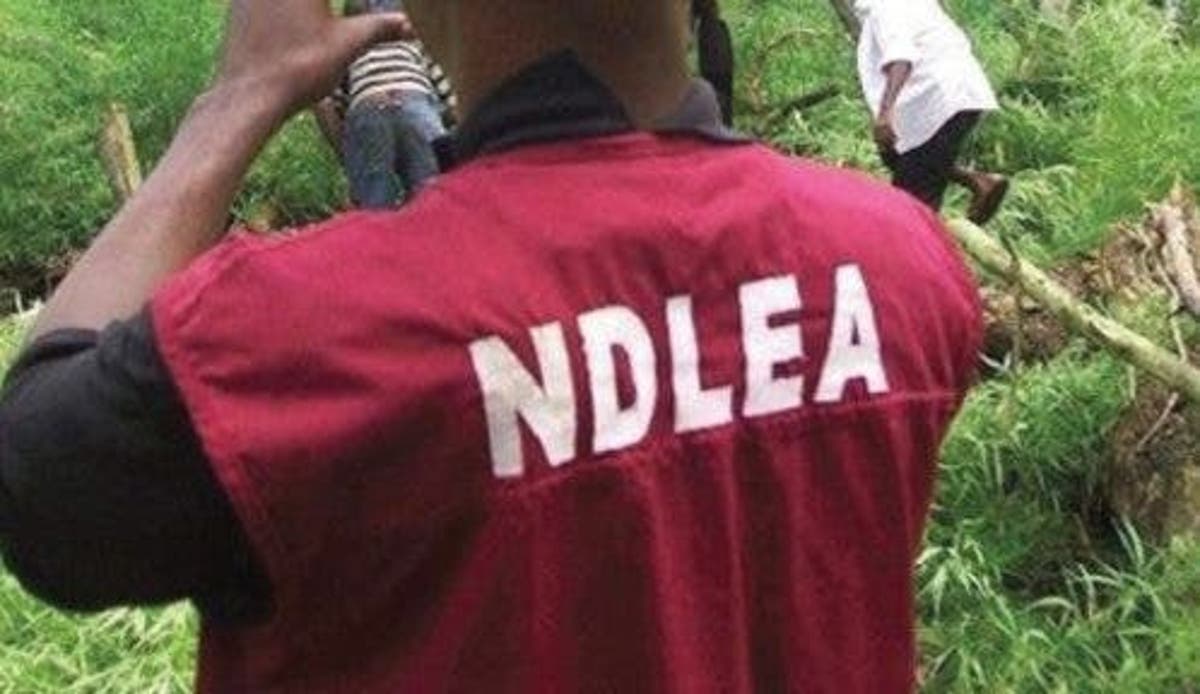
The National Drug Law Enforcement Agency (NDLEA) has arrested a 58-year-old fugitive drug lord, Uzoma Valentine Ilomuanya, who had been on the wanted list of Nigerian and British authorities for over 15 years.

His arrest was disclosed in a statement on Wednesday by spokesman of the agency, Mr. Femi Babafemi.

Ilomuanya, according to the agency, was apprehended in Lagos on Monday, February 23, 2026, following what officials described as a high-stakes, well-coordinated operation by officers of the Agency’s Special Operations Unit.

He was first arrested in February 2003 in the United Kingdom and later convicted for drug trafficking.

He was sentenced to nine years’ imprisonment but released after serving two years following a successful appeal.

In July 2011, Ilomuanya was again arrested in the UK for drug-related offences.

Though granted administrative bail, he absconded and fled to Nigeria, evading further prosecution.

In November 2018, NDLEA operatives arrested him in Nigeria after uncovering two clandestine methamphetamine laboratories — one at his country home in Obinugwu, Orlu Local Government Area of Imo State, and another at his residence in Lagos.

During the operation, officers recovered 77.960 kilograms of methamphetamine and extensive drug production equipment.

He was subsequently charged before a Federal High Court in Lagos but later jumped court bail, remaining on the run until his latest arrest.

Reacting to the development, the Chairman and Chief Executive Officer of the NDLEA, Brig. Gen. Mohamed Buba Marwa (rtd), described the arrest as a major breakthrough in the agency’s sustained crackdown on drug trafficking networks.

“This arrest serves as a stern warning to those who think they can hide behind borders to escape justice. Whether you jump bail in London or set up clandestine labs in your village, the long arm of the NDLEA will eventually catch up with those who choose to undermine the health, security, and future of our nation,” Marwa said.

He added that the Agency remains committed to strengthening intelligence-led operations and deepening international collaboration to prevent Nigeria from becoming a safe haven for global drug cartels.

Marwa commended officers of the Special Operations Unit for their professionalism, resilience, and diligence in tracking down the fugitive, stressing that the NDLEA remains unwavering in its resolve to dismantle drug trafficking networks operating within the country.

The agency is expected to proceed with legal action against Ilomuanya in the coming days.

Continue Reading

News

Disu Inaugurates Committee for Implementation of State Police

Published

on

By

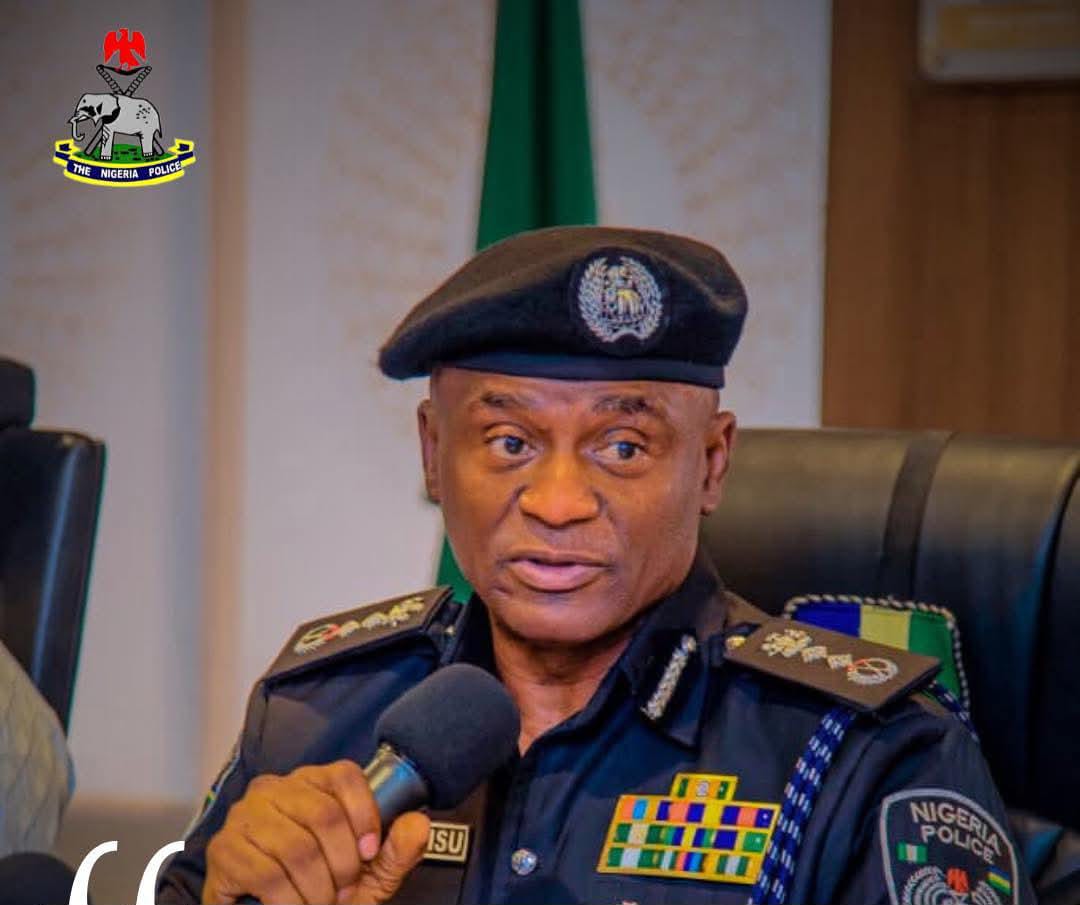
The Inspector-General of Police, Tunji Disu, on Wednesday inaugurated an eight-member committee to oversee the implementation of state police and the rollout of his policing vision, following his confirmation as the 23rd indigenous IGP.

TVC reports that Disu held his first formal engagement with senior police officers since his confirmation, days after the Nigeria Police Council unanimously ratified his appointment, clearing the way for his swearing-in by President Bola Tinubu at the Presidential Villa.

Professor Olu Ogunsakin was appointed to lead the eight-member state police committee.

Addressing the top hierarchy of the force, the IGP said leadership is “not about position but responsibility,” stressing that professionalism and accountability must guide conduct and operations across commands nationwide.

He emphasised that authority is strongest when exercised with restraint and that respect for human rights must remain fundamental, adding that every Nigerian should be treated with dignity, fairness, and justice, regardless of status or background.

Disu also announced plans to strengthen internal oversight, directing that the Public Complaint Unit and X-Squad be empowered to operate independently.

On decentralisation, he said the move would allow different levels of government to play an active role in security.

The inauguration of the state police implementation committee comes at a critical time for the Nigeria Police Force, following a leadership change at the top.

President Bola Tinubu appointed Disu as the Acting Inspector‑General of Police on February 24, 2026, after the resignation of his predecessor, Kayode Egbetokun.

Disu’s elevation followed a meeting between the outgoing IGP and the President at the Presidential Villa in Abuja, and his appointment was later unanimously endorsed by the Nigeria Police Council.

He is expected to be formally sworn in as substantive IGP during the Federal Executive Council meeting on Wednesday.

Disu’s appointment comes amid heightened concern over security challenges across the country, including rising cases of kidnappings, banditry, and community attacks.

The state police initiative championed by the current administration is part of broader security sector reforms aimed at decentralising policing powers to enhance responsiveness at local levels.

Continue Reading

News

Senate Rescinds Resolution Seeking Sack of Magaji As CAC Registrar-General

Published

on

By

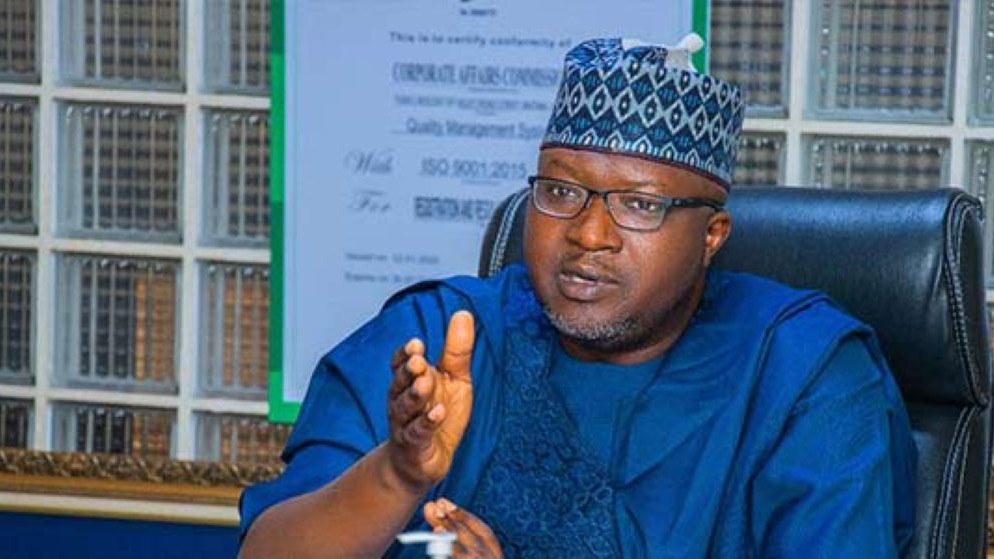
The Senate Committee on Finance, on Monday, rescinded its resolution seeking to remove the Registrar-General of Corporate Affairs Commission (CAC) Mr. Hussaini Ishaq Magaji (SAN), from office.

The committee, which is chaired by Senator Sani Musa, had on Thursday last week called on President Bola Tinubu to sack Magaji for ignoring parliamentary invitations to give an account of the operations of his agency.

But, at its resumed sitting in Abuja on Monday, the committee reversed itself after Magaji showed up, expressing remorse for his actions and apologising to the lawmakers.

It was the Chairman of Senate Committee on Customs, Senator Jibrin Isa (Kogi-East), who came to Magaji’s rescue by moving a motion, urging the committee to rescind the earlier resolution.

He was seconded by Katsina-North senator Nasir Musa Zango Daura.

However, before he got a reprieve, Musa criticised Magaji over his conduct, noting that he had no regard for the Legislature.

He stated, “This committee is not happy with you for your persistent refusal to appear before it in the past or sending junior officers to it. That’s not acceptable.

“The constitution grants us oversight powers over all revenue-generating agencies. At our last sitting, the committee recommended your removal, but you appeared shortly after our pronouncement.

“We want an explanation.”

Magaji immediately apologised for his behaviour, pleading that such would not be repeated again.

He blamed the development on communication breakdown, which he would address by establishing a liaison office at the National Assembly to improve interactions between the two sides.

“Mr Chairman, I sincerely apologise to the committee. I was returning from Lagos and asked my team to inform the committee ahead of time. Unfortunately, I arrived late.

“We have now created a dedicated liaison office to handle interactions with the National Assembly. I assure you this will not happen again. I take full responsibility and hold this committee in high esteem,” he added.

His show of remorse led to the withdrawal of the resolution with a warning not to ignore legislative invitations next time.

During last Thursday’s sitting, the committee had accused Magaji of failing to honour the Senate’s invitations to account for the finances of his agency.

“He refused on so many occasions to honour our invitation to appear before this committee.

“We have issues with the reconciliation of the revenue of CAC.

Each time we invite him, he gives us excuses,” Musa said as the committee passed the resolution.

A former Governor of Abia State, Senator Orji Uzor Kalu, had moved the motion for his removal.

Continue Reading

Trending