
News
Judge Withdraws from Nnamdi Kanu’s Case After Accusation of Disobedience to Supreme Court Order









The Oracle12 hours ago
The Oracle: The New Digital Colonialism: Navigating AI Policy Under Foreign Tech Dominance (Pt. 1)

Featured13 hours ago
Presidency Releases Postings of Ambassadors-designate

News15 hours ago
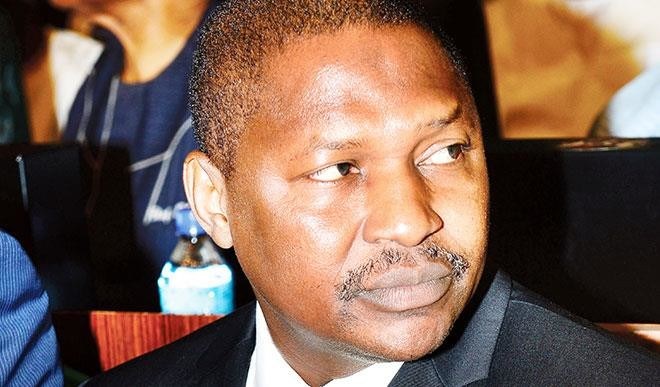
Court Grants Malami, Family N200m Bail

Headline16 hours ago
Israeli Ambassador Accuses Iran of Spreading Terror, Sponsoring Extremist Activities in Nigeria

Featured17 hours ago
Mike Ozekhome Celebrates Obasanjo at 89, Says Former President Wiser with Age

Islam18 hours ago
Friday Sermon: Reflections on Ramadan 3: Spiritual Stocktaking

Featured1 day ago
Akinwumi Adesina Celebrates Obasanjo at 89

News4 days ago
NELFund Extends Deadline for Student Loan Applications Nationwide

Middle East6 days ago
Iran Confirms Supreme Leader Ali Khamenei Dead after US-Israeli Attacks

Featured5 days ago
Shiites Protest in Kano over Killing of Iran’s Supreme Leader

Sports2 days ago
FIFA Strikes Out Nigeria’s Petition, Okays DR Congo for 2026 World Cup Play-Off

Middle East4 days ago
Saudi Arabia Shuts Down One of World’s Largest Oil Refinery after Iran’s Drone Strike

Voice of Emancipation6 days ago
Voice of Emancipation: The Rise and Fall of Iran’s Supreme Leader Ayatollah Khamenei

World5 days ago
Trump Claims 48 Iran Leaders Killed in US-Israeli Operations
-
 News4 days ago
NELFund Extends Deadline for Student Loan Applications Nationwide
-
 Middle East6 days ago
Iran Confirms Supreme Leader Ali Khamenei Dead after US-Israeli Attacks
-
 Featured5 days ago
Shiites Protest in Kano over Killing of Iran’s Supreme Leader
-
 Sports2 days ago
FIFA Strikes Out Nigeria’s Petition, Okays DR Congo for 2026 World Cup Play-Off
-
 Middle East4 days ago
Saudi Arabia Shuts Down One of World’s Largest Oil Refinery after Iran’s Drone Strike
-
 Voice of Emancipation6 days ago
Voice of Emancipation: The Rise and Fall of Iran’s Supreme Leader Ayatollah Khamenei
-
 World5 days ago
Trump Claims 48 Iran Leaders Killed in US-Israeli Operations
-

 Featured3 days ago
Tinubu Nominates Oyedele As Minister of State for Finance, Moves Anite-Uzoka to Budget Ministry