
World
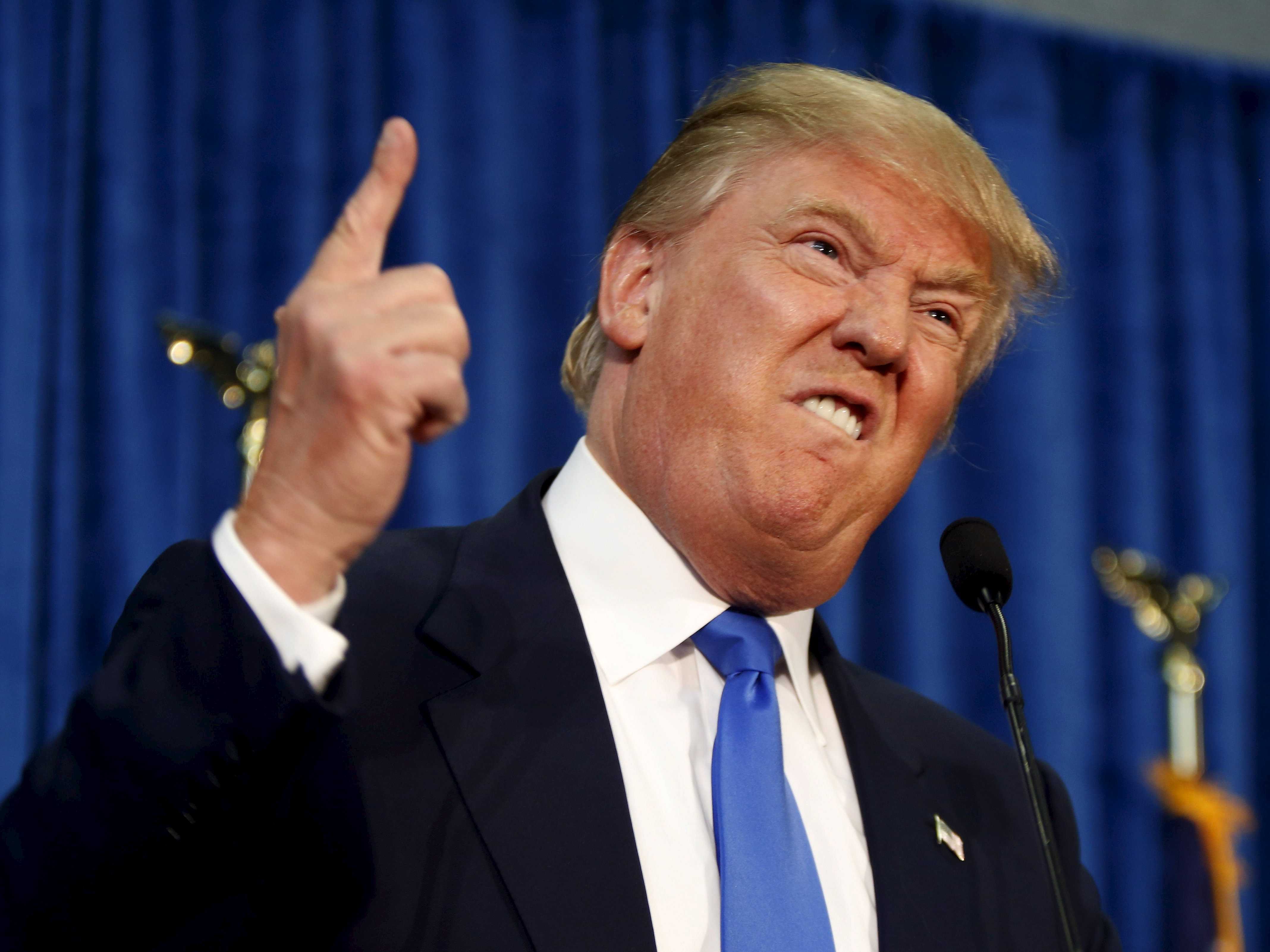
Trump Gives Iran Two Weeks Ultimatum to Negotiate or Face Imminent Strike


By Eric Elezuo
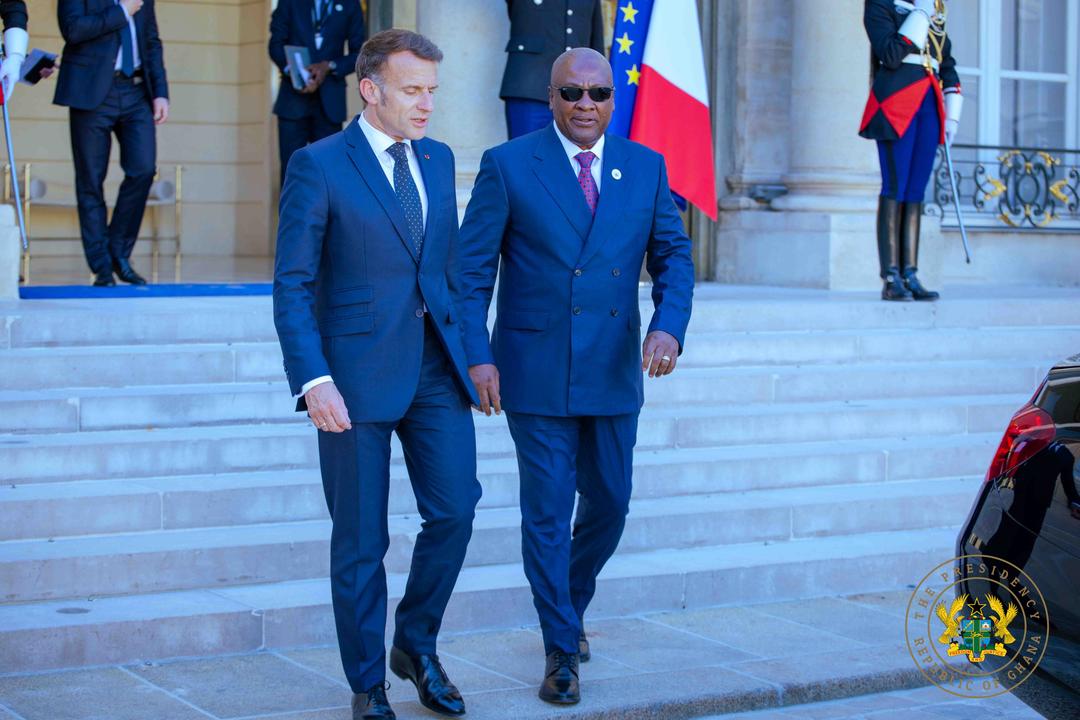
True to his words targeted at reshapening the economic narratives of the people of Ghana, President John Dramani Mahama, has paid a diplomatic and economic visit to France, where he held high level bilateral talks with his counterpart, Mr. Emmanuel Macron.
The Ghana President’s visit corresponds with his intention to maximize his second term in office towards making the Eldorado that it was during his first coming between 2012 and 2016.
The presidency.gov.gh, the authentic platform for activities of President Mahama, captured the visit as follows:
President John Dramani Mahama and his French counterpart, President Emmanuel Macron, held high-level bilateral talks at the Élysée Palace on Wednesday, marking a significant milestone in the deepening diplomatic and economic relationship between Ghana and France.

The meeting, held at the official invitation of President Macron, followed the successful conclusion of the One Health Summit in Lyon, which both leaders co-chaired on Tuesday.
During the deliberations, President Macron expressed his profound gratitude to President Mahama for his leadership in co-chairing the Lyon summit. Highlighting Ghana’s growing influence in global health policy, President Macron announced that Ghana has been selected as the first beneficiary of the newly introduced National Health Compact.
The French leader also lauded the Accra Reset Initiative, an ambitious framework introduced by President Mahama. Macron described the initiative as “very important,” noting that its principles were frequently referenced as a blueprint during the Lyon summit.
For his part, President Mahama expressed his appreciation for the warm reception and the opportunity to co-chair the One Health Summit, noting its critical importance to the World Health Organisation (WHO) and global pandemic preparedness.
On the economic front, President Mahama officially thanked France and China for their pivotal roles in supporting Ghana’s debt restructuring process. He informed President Macron that the Ghanaian economy has shown remarkable resilience, stating that “the economy has bounced back and is doing very well, with very positive indicators.”
The two leaders discussed a broad range of development cooperation, including building on years of support from the French Development Agency (AFD), the Accra-Kumasi Expressway, ensuring food security through year-round farming initiatives, advancing Artificial Intelligence (AI) development and enhancing support for maternal health services.
President Mahama emphasised that the strength of the Ghana-France relationship is rooted in a shared commitment to democracy, the rules-based international system, and global peace.
“Ghana and France stand together on key issues of peace and security”, President Mahama stated, as the two leaders analysed the impact of global conflicts on distant regions and discussed strategies to maintain stability within the West African sub-region.
Prior to arriving at the Élysée Palace, President Mahama and his delegation met with the President of the French Senate




Police Probe Four Officers Accused of ‘Misconduct’ in Lagos

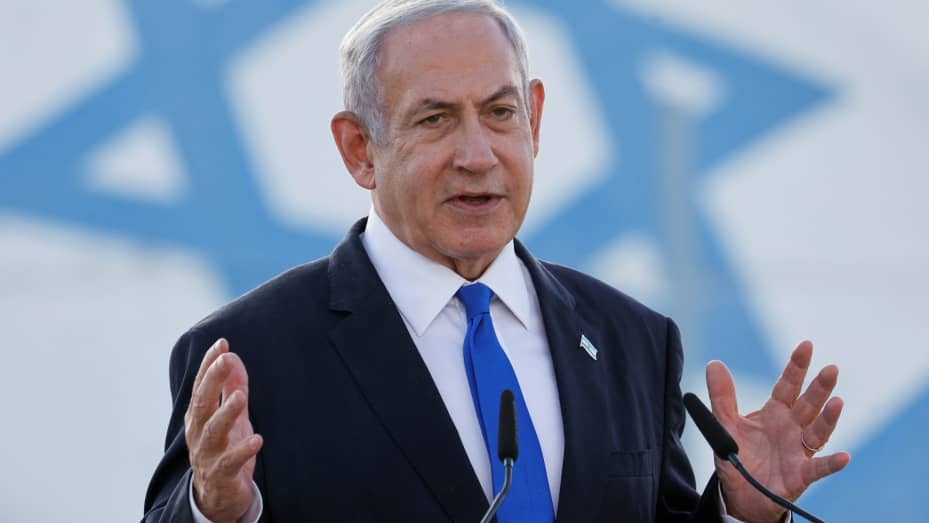
We’ve Crushed Iran’s Nuclear, Missile Programmes, Netanyahu Boasts

Turaki Faction Kicks As Police Unseal PDP Secretariat

Nation Building Reimagined: Integrated Principles and Strategies for Sustainable Growth

Dear CDS, NSA, Your Prodigal Sons, Brothers Have Killed General Braimah

Voice of Emancipation: Lessons from the Iran/USA War

Ovation @30: A Triumph of Vision, Courage and African Excellence

Trump Delays Iran’s Strike by 2-Weeks As Pakistani Leaders Intervene

Benin Republic 2026: Romuald Wadagni, The President in Waiting

FG Expels US Missionary Alex Barber

Koumagnon Family Pledges Unalloyed Support for Romuald Wadagni As President
Nation Building Reimagined: Integrated Principles and Strategies for Sustainable Growth

Again, Iran Blocks Strait of Hormuz, Alleges Ceasefire Violation
Dear CDS, NSA, Your Prodigal Sons, Brothers Have Killed General Braimah
-
 World4 days ago
Trump Delays Iran’s Strike by 2-Weeks As Pakistani Leaders Intervene
-
 Featured3 days ago
Benin Republic 2026: Romuald Wadagni, The President in Waiting
-
 National4 days ago
FG Expels US Missionary Alex Barber
-
 Boss Picks3 days ago
Koumagnon Family Pledges Unalloyed Support for Romuald Wadagni As President
-
 Opinion1 day ago
Nation Building Reimagined: Integrated Principles and Strategies for Sustainable Growth
-
 Middle East3 days ago
Again, Iran Blocks Strait of Hormuz, Alleges Ceasefire Violation
-
 Opinion1 day ago
Dear CDS, NSA, Your Prodigal Sons, Brothers Have Killed General Braimah
-

 News4 days ago
Prominent ADC Leaders Storm INEC Hqrs in Protest Against Dictatorship