
News
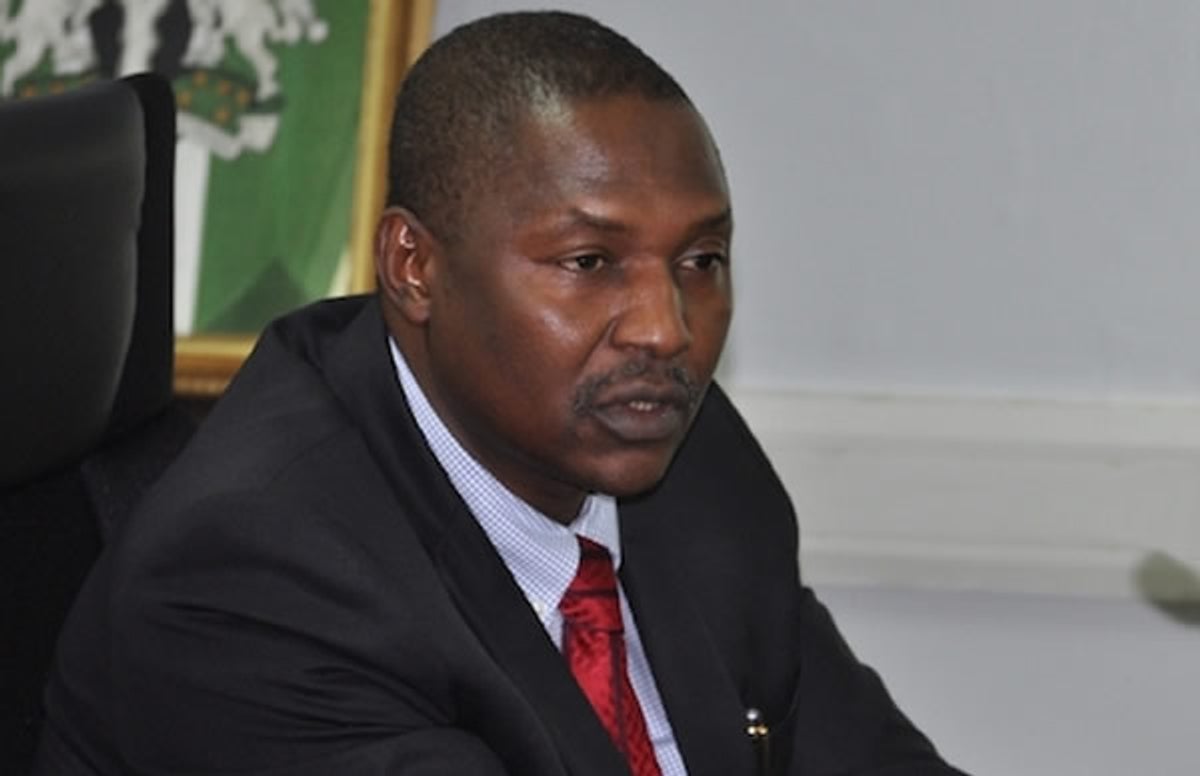
Malami, Wife, Son Get N500m Bail each in Alleged N8.7bn Fraud Case






World3 hours ago
Trump Accuses Nigeria of Spreading Fake News on Iran Ceasefire Deal

Featured4 hours ago
Benin Republic 2026: Romuald Wadagni, The President in Waiting

Boss Of The Week4 hours ago
Why I Want to Be President – Romuald Wadagni

News1 day ago
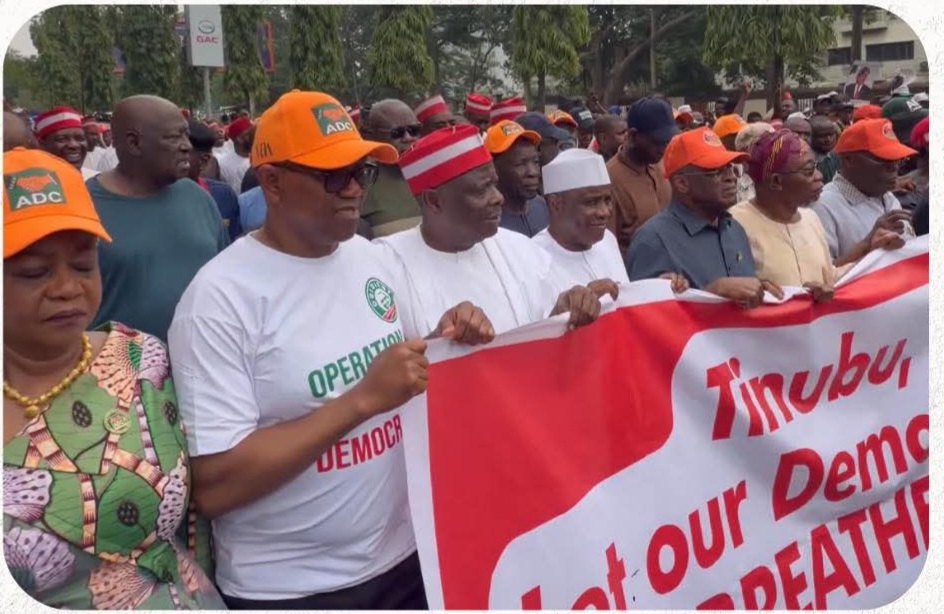
Prominent ADC Leaders Storm INEC Hqrs in Protest Against Dictatorship

Economy1 day ago
Dangote Refinery Raises Petrol Price to N1,275, Diesel Now N1,950

News1 day ago
Windstorm Destroys Wike’s Newly Built Abuja Bus Terminal

National1 day ago
FG Expels US Missionary Alex Barber

Opinion5 days ago
Effective Strategic Leadership: Resolving Nigeria’s Contemporary Challenges and Unlocking Inclusive Possibilities

The Oracle5 days ago
The Oracle: The New Digital Colonialism: Navigating AI Policy Under Foreign Tech Dominance (Pt. 5)

Events5 days ago
The Ponnles Honour Parents With N150m Memorial Endowment at OAU

News3 days ago
‘ADC Membership Hits 500,000 after INEC Derecognition of Leadership’

Boss Of The Week5 days ago
Evangelist Ebenezer Obey: Celebrating a Music Maestro at 84

Adding Value5 days ago
Adding Value: Examine Yourself by Henry Ukazu

Events5 days ago
Sorrow, Tears, Love As Ex-Ovation Editor, Mike Effiong, Buries Wife, Kemi in Lagos
-
 Opinion5 days ago
Effective Strategic Leadership: Resolving Nigeria’s Contemporary Challenges and Unlocking Inclusive Possibilities
-
 The Oracle5 days ago
The Oracle: The New Digital Colonialism: Navigating AI Policy Under Foreign Tech Dominance (Pt. 5)
-
 Events5 days ago
The Ponnles Honour Parents With N150m Memorial Endowment at OAU
-
 News3 days ago
‘ADC Membership Hits 500,000 after INEC Derecognition of Leadership’
-
 Boss Of The Week5 days ago
Evangelist Ebenezer Obey: Celebrating a Music Maestro at 84
-
 Adding Value5 days ago
Adding Value: Examine Yourself by Henry Ukazu
-
 Events5 days ago
Sorrow, Tears, Love As Ex-Ovation Editor, Mike Effiong, Buries Wife, Kemi in Lagos
-

 Featured3 days ago
ADC Raises Alarm over INEC’s Plot to Prevent Party from Fielding Candidates