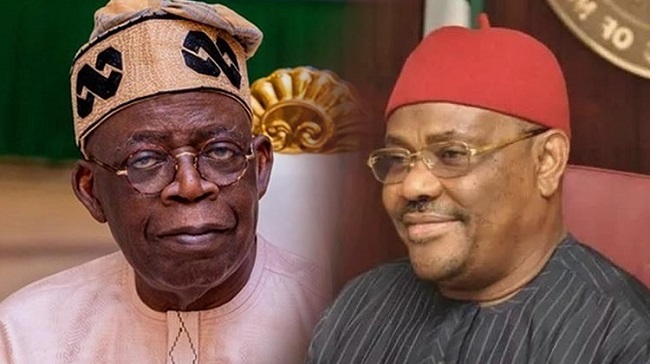

Open Letter to President Bola Tinubu
His Excellency,
Asiwaju Bola Ahmed Tinubu
President of the Federal Republic of Nigeria
The Villa,
Aso Rock,
Three Arms Zone,
Abuja,
FCT
Your Excellency Asiwaju
Who Will Tell the President
(Let Democracy Reign; Let the Will of the People Reign)
I write to you today not merely as a loyal servant of our great nation, but as a concerned citizen, a comrade who has stood by the ideals of democracy, freedom, and justice from the very inception of our struggle. This is not just a letter but a heartfelt call to action. As someone who has walked with you through the struggles for democracy, endured the challenges of political opposition, and shared in the vision of a better Nigeria, I write to you with the utmost sense of duty, respect, and sincerity.
Mr. President, Nigeria is in distress. The people are suffering untold hardship. The streets murmur, the markets groan, and the cries of the masses grow louder by the day. I do not write to flatter you but Nigeria today stands at a critical juncture in its political and socio-economic journey. With the 2027 electoral process already casting its long shadow over our collective consciousness, it is imperative that we pause to assess our current trajectory and the challenges that beset us.
This essay, which I humbly present to you, is an earnest appeal, a call to action for you, the President, to lead courageously and institute bold, pro-poor policies that will fundamentally transform the lives of Nigerians. In this extended discourse, I shall elaborate on several pressing issues: the dire need to reform our reward system within our party, the importance of instituting policies that prioritize the welfare of our most vulnerable citizens, the urgency to overhaul critical sectors such as transportation and health care, and the necessity to reflect upon and learn from our political history.
I implore you, Asiwaju, to consider this an opportunity to reaffirm your commitment to a Nigeria where democracy truly reigns, where the will of the people is paramount, and where every Nigerian, irrespective of their background, can thrive.
I. The Socio-Economic Landscape of Nigeria Today
Our beloved country, Nigeria, a land endowed with abundant resources and a resilient spirit, now finds itself mired in a multitude of challenges. These issues are not merely administrative oversights or the byproduct of political mismanagement, they are symptomatic of deeper, structural problems that have festered over decades. The socio-economic reality that confronts us is one of stark inequality, where a significant portion of the populace lives in conditions that defy the basic tenets of human dignity.
The Plight of the Common Man
The everyday Nigerian is increasingly disillusioned by the persistent hardships that characterize our economic landscape. Inflation, unemployment, and the soaring cost of living have rendered the dream of a prosperous future a distant reality for many. The burden of rising prices, particularly in urban centres such as Lagos, Oyo, Rivers, the Federal Capital Territory (FCT), and Plateau State, has placed undue strain on household budgets. It is against this backdrop of widespread economic distress that I urge you to initiate policies that directly address these issues.
Transport: A Fundamental Right Under Siege
One of the most urgent areas that demand immediate attention is transportation, especially for our children. The very act of getting to school, a right that should be guaranteed to every child has become a financial burden for many families. In our urban centres, where traffic congestion and exorbitant transit fares have become the norm, it is inconceivable that pupils and students should bear the cost of transportation. Education, being the bedrock of national development, must be accessible to all, free from the shackles of financial impediments. I propose that the government implement a robust, pro-poor policy that ensures free or heavily subsidized transportation for all pupils and students, thereby removing one of the significant barriers to quality education.
Health: A Matter of Life and Death
Equally pressing is the matter of health care. The cost of health insurance remains prohibitively high for the average Nigerian family. Imagine a household of six, striving to secure affordable health care amidst a backdrop of rising medical costs, this is a scenario that many Nigerians face daily. It is imperative that the government either drastically subsidizes health insurance premiums or assumes the cost of health coverage for very vulnerable families, ensuring that every citizen has access to quality medical services. A healthy nation is a prosperous nation, and it is incumbent upon us to guarantee that the basic right to health is not a privilege for the few but a guaranteed provision for all.
II. The Political Landscape and the Perils of 2027
Our political environment, though vibrant in its democratic expression, is increasingly being marred by internal strife and factionalism. The looming 2027 elections have, regrettably, become a focal point of distraction, inflaming tensions within our polity. The political arena, rather than being a space for constructive debate and inclusive participation, has devolved into a battleground of egos, self-interest, and sycophancy.
The Electoral Distraction
The constant preoccupation with the 2027 election cycle has led to a climate where short-term political gains are prioritized over the long-term well-being of our nation. It is only you, Mr. President, who possess the authority and the vision to douse these flames before they engulf the entire political landscape. I implore you to rise above the petty infighting and focus on the larger picture, the need for sustainable, transformative change that addresses the core issues facing Nigeria. By doing so, you can redirect the energy of our nation towards nation-building rather than political vendettas.
Reflection on the Journey
As you navigate these turbulent times, I urge you to reflect upon your political journey, the dark days of struggle, the long and arduous fight for democracy, and the sacrifices made in the name of freedom. Recall those moments when the very future of our nation hung in the balance, and the collective will of the people was the only beacon of hope.
Ask yourself: is the current state of affairs truly the culmination of those struggles, or have we lost sight of the ideals that once united us? A period of introspection is not a sign of weakness but a testament to the enduring spirit of leadership that has seen us through our darkest hours.
III. A Call to Action: Pro-Poor Policies and the Need for Bold Leadership
Your Excellency, the challenges before us require more than incremental adjustments, they demand a radical rethinking of how we approach governance. In the spirit of true leadership, it is incumbent upon you to take the bull by the horns and institute a series of pro-poor policies that will lay the foundation for a more equitable society.
Revolutionizing Transportation for Our Youth
As previously mentioned, the issue of transportation is not merely a logistical concern, it is a matter of social justice. Imagine a Nigeria where no child is denied an education because of the prohibitive costs of travel. I propose the establishment of a government-subsidized transportation system dedicated to students, particularly in urban areas such as Lagos, Oyo, Rivers, the FCT, and Plateau. Such a system would not only alleviate the financial burden on families but also serve as a catalyst for improving educational outcomes across the nation. By ensuring that every pupil has access to free or affordable transport, we are investing in the future of Nigeria, a future built on the empowerment of its youth.
Healthcare Reform: Subsidizing Health Insurance
The health of our nation is under siege, with millions of Nigerians struggling to afford even the most basic medical care. I urge you to take decisive steps towards reforming our healthcare system by introducing policies that either significantly reduce the cost of health insurance or, ideally, have it entirely funded by the government for poor families. Consider a model where a family of six is guaranteed access to comprehensive health care without the crippling financial strain that currently characterizes our system. Such a policy would not only improve the quality of life for countless Nigerians but also foster a healthier, more productive society and permanently end quackery in the healthcare sector.
The Imperative of Clean and Transparent Governance
The spectre of mediocrity looms large over our political and administrative systems. It is disheartening to observe that those who once toiled selflessly for the party have, over time, been relegated to the status of mere bystanders, overlooked and undervalued simply because they are “too straight” or lack the patronage of influential godfathers.
I recall, with a heavy heart, your words to me just two years ago in your Asokoro palatial mansion, words that resonated deeply with the promise of change: “We must change our reward system.” Yet, today, that promise appears to have been forgotten, as the old ways of rewarding mediocrity persist unabated.
This entrenched system, where rewards and appointments are dictated not by merit but by sycophancy and lineage, has eroded the very fabric of our party and, by extension, our government. The nomination processes for party offices are a case in point where the offspring of political leaders or the ever-obedient yes-men are favoured over the genuinely competent and dedicated.
This practice has not only alienated the hardworking foot soldiers of our movement but has also driven the vibrant, young members of our party to seek refuge in less principled political establishments. The consequences of this are starkly evident: our loss in the presidential election in Lagos was not a reflection of our inadequacy or unpopularity, but a powerful indictment of a system that has failed to reward true merit.
A Level Playing Field: The Need for a Clean Membership Register
In the spirit of transparency and fairness, it is imperative that we re-examine the very foundation of our party structure. Our membership register, currently touted as boasting 1.4 million members in Lagos State, is nothing more than a fallacious figure that belies the actual turnout less than 600,000, as evidenced by the 2023 Presidential election results.
For the sake of strategic planning and genuine representation, we must establish a clean, accurate, and empirically verifiable membership register. This register should serve as the cornerstone of our democratic process, ensuring that every vote, every voice, is accounted for and that our planning is grounded in reality rather than inflated assumptions.
Leadership from the Front: Embracing Inclusivity, Empathy, Forgiveness, and Justice
Asiwaju, the mantle of leadership rests upon your shoulders, and it is time to lead from the front once again. Now more than ever, Nigeria needs a President who embodies the virtues of inclusivity, empathy, forgiveness, and justice. In a political landscape often tarnished by self-serving ambitions and hollow praise, your strength and integrity stand as beacons of hope for your true friends, associates, and the foot soldiers of our party.
There is no enemy among your followers, political associates and colleagues, only those whose interests lie in self-aggrandizement and sycophancy. It is imperative that you distinguish between the two, celebrating and empowering those who have truly dedicated themselves to the service of our nation.
I urge you to consider convening a congress or an assembly of all your friends, associates, and counsellors, a forum where honest reflection can take place. In this assembly, let us collectively seek the face of God, asking for divine guidance and wisdom to navigate the challenges that lie ahead. As the scriptures in the Lord’s Prayer remind us, “forgive us our trespasses as we forgive those who trespass against us.” Likewise, the Quran implores us with the word “astagfirullah” a call to seek forgiveness.
In the same spirit, I beseech you to forgive those who may have crossed your path, recognizing that none among us are infallible so that those that you have wronged can also forgive you. It is through forgiveness that we can truly heal the wounds of the past and chart a course towards a more just and equitable future.
IV. Reflecting on the Past to Forge a Better Future
Your Excellency, as you stand at the helm of our great nation, I invite you to look back on your political journey, a journey marked by struggle, sacrifice, and the unyielding pursuit of democracy and freedom. There was a time when the future of Nigeria hung precariously in the balance, and the sacrifices of countless patriots paved the way for the democratic state we now inhabit. Those were dark days, indeed, but they were also the crucible in which our collective resolve was forged.
The Dark Days of Our Struggle
I vividly recall the days when the price of freedom was measured in blood and tears, when the clamour for democracy was met with ruthless oppression. The sacrifices made by our forebears are not mere historical footnotes, they are the very foundation upon which our current democratic edifice stands. As you reflect on those turbulent times, ask yourself whether the current state of our nation is the true legacy of those struggles. Have we, in our complacency, allowed the hard-won fruits of our labour to wither on the vine? Or is it time to reinvigorate our commitment to the ideals that once galvanized our movement?
A Personal Appeal: Remembering Our Conversation
I would be remiss if I did not remind you of a conversation, we had exactly two years ago in your Asokoro palatial mansion, a moment that has since been etched in my memory. In that intimate setting, with just the two of us present, you spoke with conviction about the urgent need to “change our reward system.” Those words resonated with the promise of a new era, one where merit and dedication would be rewarded rather than mere loyalty and sycophancy. Yet today, I am compelled to confess that I am dismayed to witness little more than a perpetuation of the old ways, a reward system that continues to favour mediocrity and patronage over genuine excellence.
It is not that those who sacrificed everything for the party are undeserving of recognition, they are, in fact, the unsung heroes of our struggle. They are the foot soldiers who, despite their unwavering commitment, find themselves marginalized simply because they are “too straight” or lack the influential godfathers that seem to dictate success in our political landscape. This, Jagaban, is a travesty that not only undermines the spirit of our movement but also endangers the future of our party and, by extension, the destiny of our nation.
The Cost of Ingratitude
The recent electoral debacle in Lagos, which was not a manifestation of our weakness or unpopularity but rather a reflection of the deep-seated discontent among our ranks, serves as a cautionary tale. The aggrieved, depressed, and disillusioned members of our party have made their voices heard in the most consequential manner possible by delivering a defeat that should have never been possible if our internal structures were robust and genuinely meritocratic. If we can lose an election in Lagos in 2023 because of these internal fractures, then the stakes for 2027 are alarmingly high. It is incumbent upon you, as the leader, to correct these wrongs and steer our collective energies towards a future where excellence is rewarded, and every Nigerian is given a fair chance to contribute to nation-building.
V. Proposals for a New Direction
The time has come for a paradigm shift, a reimagining of our policies and practices that places the well-being of the Nigerian people at the forefront. The proposals outlined below are designed to serve as a roadmap for the transformation that our nation so desperately requires.
Transforming the Educational Transportation System
a. Policy Framework:
Develop a comprehensive policy that guarantees free or subsidized transportation for all pupils and students. This initiative should focus primarily on urban centres where the cost of travel is prohibitively high, ensuring that education remains accessible regardless of a family’s financial standing.
b. Implementation Strategy:
Partner with state governments, local governments, local transport unions, and private sector stakeholders to establish a sustainable and efficient transportation network. This network should be designed to cover key urban areas such as Lagos, Oyo, Rivers, the FCT, and Plateau, with dedicated routes and schedules tailored to the academic calendar.
c. Monitoring and Evaluation:
Establish a robust oversight mechanism to ensure that the policy is effectively implemented. Regular audits and performance assessments should be conducted, with feedback loops that allow for continuous improvement. Data collected from these evaluations should inform future policy adjustments, ensuring that the system remains responsive to the needs of its beneficiaries.
Reforming Health Insurance Policies
a. Subsidization and Government Funding:
Introduce measures to drastically reduce the cost of health insurance premiums for Nigerian families particularly the very vulnerable one living below poverty lines. Ideally, the government should consider fully subsidizing health insurance for families, particularly those with six or more members, thereby ensuring that quality health care is not a privilege but a guaranteed right.
b. Public-Private Partnerships:
Foster partnerships with reputable private insurers to create a competitive yet fair health insurance market. Such collaborations can help streamline the costs and improve service delivery, making health care more accessible and affordable.
c. Universal Health Coverage Roadmap:
Develop a phased roadmap toward universal health coverage that prioritizes the most vulnerable segments of society. This roadmap should include targeted interventions for rural and underserved communities, ensuring that no Nigerian is left behind in our quest for better health outcomes.
Revamping the Party’s Reward and Nomination System
a. Merit-based Appointments:
Reevaluate the existing reward system within our party to ensure that appointments and promotions are based on merit rather than mere patronage or familial connections. This will require a thorough audit of current practices and the development of transparent criteria that prioritize competence, dedication, and proven performance.
b. Inclusivity and Transparency:
Establish a clean, verifiable membership register that accurately reflects the true strength of our party. Such a register should be maintained with the utmost transparency and updated regularly to ensure its credibility. This will serve as a crucial tool for planning and for ensuring that every member’s voice is heard during internal elections and decision-making processes.
c. Empowering the Grassroots:
Create avenues for meaningful participation by the grassroots members of our party. Their insights, energy, and dedication are invaluable assets that should not be sidelined by an entrenched system of sycophancy. Empower these members through capacity-building initiatives, mentoring programmes, and clear pathways to leadership positions.
Ensuring Accountability and Reducing Political Distractions
a. Focus on Governance Over Partisanship:
Shift the focus of our political discourse from partisan bickering to genuine governance. The looming 2027 election must not serve as a distraction that derails our progress. Instead, it should be viewed as a call to action, an opportunity to build a stronger, more resilient political system that is prepared to meet the challenges of the future.
b. Institutional Reforms:
Consider establishing an independent oversight body within the party that monitors internal processes, ensuring that appointments, nominations, and policy implementations adhere to the highest standards of integrity and fairness. Such an institution could serve as a bulwark against the corrosive influence of self-serving agendas and ensure that the party remains true to its founding principles.
c. A Call for Unity:
In these trying times, unity within our ranks is more important than ever. I appeal to you, Asiwaju, to set aside differences and forge a path that is inclusive and just. By fostering an environment where every voice is valued, you can rebuild the trust and solidarity that are essential for our collective success.
VI. Reflections on Our Political Journey
Your Excellency, as you contemplate the path forward, I urge you to reflect deeply on the long and arduous journey that has brought us to this point. Our struggles for democracy and freedom were not for personal gain, they were for the establishment of a society where every Nigerian could live with dignity and opportunity.
Lessons from the Past
The dark days of our struggle serve as a powerful reminder of the sacrifices made by countless heroes. These sacrifices were not in vain; they were the building blocks of the Nigeria we have today. Yet, as we celebrate our achievements, we must also acknowledge the gaps that remain and the urgent need to address them. The current state of affairs should compel us to revisit the principles of accountability, transparency, and meritocracy that were once the hallmarks of our movement.
The Imperative of Change
The call to “change our reward system” that you issued two years ago was a visionary one, a call for a new era where the contributions of every party member are recognized and rewarded fairly.
However, the persistence of outdated practices that favour mediocrity and patronage is a stark reminder that promises, no matter how well-intentioned, must be followed by concrete action. The time for change is now. It is incumbent upon you, as the leader of our party and our nation, to break away from the entrenched practices of the past and embrace a future defined by fairness and opportunity for all.
The Cost of Complacency
Let us not forget that the current state of discontent among our ranks is not merely a symptom of isolated grievances, it is a reflection of a broader malaise that threatens the very fabric of our democracy. The disillusionment of our foot soldiers, the sidelining of those who are “too straight” to engage in the traditional politics of patronage, and the marginalization of young, dynamic voices have all contributed to the challenges we face today. These are not minor issues; they are indicative of a system that has lost its way. Your leadership is needed now more than ever to realign our priorities and reinvigorate our commitment to the values that once defined our movement.
VII. An Appeal for Forgiveness and Reconciliation
In the midst of these challenges, I also call upon you to exercise the virtues of forgiveness and reconciliation. The path to a better Nigeria is not paved solely with policies and reforms, it is also built on the human capacity to forgive and to learn from our mistakes.
The Call to Forgive
As we draw inspiration from the words of the Lord’s Prayer “Forgive us our trespasses as we forgive those who trespass against us” and the solemn invocation in the Quran, “astagfirullah,” I implore you to extend forgiveness to those who may have wronged you along the way and those that you have wronged. None of us are infallible, and in the pursuit of our noble goals, misunderstandings and missteps are inevitable. Embracing forgiveness is not a sign of weakness; rather, it is a powerful affirmation of your strength and commitment to the greater good.
Healing Old Wounds
Our journey has been marred by divisions and betrayals, but it is time to heal these old wounds. I urge you to reach out to those who, in the past, may have crossed your path or whose actions have inadvertently contributed to the current discontent. By fostering an atmosphere of reconciliation, you can galvanize support from every corner of our party and rebuild the trust that is essential for any meaningful reform. Let this be a moment of transformation, a time when old grievances are laid to rest, and we all unite under the banner of a renewed, inclusive Nigeria.
VIII. The Way Forward: A Blueprint for National Renewal
Jagaban, the challenges we face are formidable, but they are not insurmountable. With visionary leadership and a steadfast commitment to the welfare of the Nigerian people, we can overcome the obstacles that stand in our way. The blueprint for national renewal that I propose is rooted in principles of fairness, transparency, and genuine concern for the well-being of every citizen.
Economic Empowerment and Social Justice
At the heart of our socio-economic challenges lies the need for robust policies that empower the most vulnerable members of our society. Economic empowerment is not merely about increasing GDP, it is about creating an environment where every Nigerian has the opportunity to prosper.
This involves investing in education, healthcare, and infrastructure, as well as creating a regulatory framework that supports small and medium-sized enterprises (SMEs) and fosters innovation. By addressing these foundational issues, we can create a more equitable society where opportunity is not the privilege of a few but the birthright of all.
Institutional Reforms and Accountability
A critical element of this blueprint is the overhaul of our institutional frameworks. This includes reforming the reward and nomination systems within our party to ensure that appointments are based on merit rather than favouritism.
Transparency must become the cornerstone of our governance, with robust systems in place to monitor and evaluate performance at all levels from the federal to the local government. Such reforms will not only restore confidence among party members but will also send a powerful message to the Nigerian people that we are committed to building a government that is accountable and just.
Strengthening the Social Contract
Our nation is built on a social contract between the government and the governed, a contract that has, over time, been eroded by unmet expectations and unfulfilled promises. It is imperative that we renew this contract through tangible actions that address the fundamental needs of the populace. Policies that ensure free or affordable education, subsidized health care, and accessible transportation are not mere concessions; they are investments in the human capital that is the bedrock of Nigeria’s future. By fulfilling these basic promises, we reaffirm the trust of the people and lay the groundwork for sustainable development.
Building a Culture of Inclusivity
The future of Nigeria depends on our ability to harness the collective strength of our diverse citizenry. This means fostering a culture of inclusivity where every voice regardless of age, background, or political affiliation is heard and valued. Your leadership, Your Excellency, is pivotal in championing this cause. By opening the channels of communication, involving grassroots members in decision-making, and establishing forums for open dialogue, you can build a more unified and resilient nation. Such inclusivity is not only a moral imperative; it is a practical necessity for navigating the complex challenges of our times.
IX. A Personal Plea from a Loyal Comrade
Mr. President, my words come to you from a place of deep personal concern and unwavering loyalty. I have witnessed firsthand the trials and tribulations of our political journey from the blood-soaked struggles of our past to the challenges we face today. I have seen the passion of young Nigerians, the dedication of our grassroots workers, and the spirit of resilience that has always defined our people. It is with this background that I earnestly appeal to you to reflect on the weight of your responsibilities.
I recall, with both pride and a tinge of sorrow, our conversation two years ago in your Asokoro palatial mansion. In that quiet, private setting of just the two of us, you spoke of the need for transformation, of changing the reward system that had, for too long, stifled the genuine talent within our ranks. Your words, full of hope and promise, stirred my soul then and they resonate with even greater urgency today. Yet, as I observe the current state of our party and the broader political landscape, I am dismayed to find that the changes we so desperately need have not materialized. Instead, the old ways of patronage, mediocrity, and sycophancy continue to prevail.
I am deeply troubled by the fact that those who have given everything to secure victory for our party, those true foot soldiers who have bled and sacrificed in the cause of democracy are now being relegated to the sidelines.
They are dismissed not for a lack of ability or commitment, but because they are “too straight” or do not possess the requisite connections. This betrayal of trust, this perversion of our reward system, has sown seeds of disillusionment and despair among our ranks. It is no wonder, then, that we witnessed a stunning defeat in Lagos, not as a consequence of weakness, but as a powerful manifestation of the dissatisfaction of our own members.
X. The Urgency of Leadership and the Imperative to Act Now
Your Excellency, we stand at a crossroads. The challenges before us are enormous, but they are not insurmountable if we act with resolve and integrity. I implore you to seize this moment, to demonstrate that true leadership is not defined by the ease of the path but by the courage to confront adversity head-on. The distractions of the 2027 elections, the discontent within our party, and the socio-economic hardships faced by millions of Nigerians are all pressing issues that require immediate and decisive action.
A Call for Courageous Leadership
It is only you, Mr. President, who have the authority, the experience, and the moral fortitude to steer this nation away from the precipice of disillusionment. I call on you to take bold, courageous steps that prioritize the welfare of the people over narrow political expediencies. Embrace the mantle of true leadership by enacting policies that are both transformative and inclusive, a leadership that does not shy away from making difficult decisions, even if they challenge established norms.
Restoring Faith in Our Political System
The current state of our party and government is a reflection of a broader malaise, a malaise that can only be cured by a recommitment to the core values of democracy, transparency, and accountability. Rebuild the trust of the Nigerian people by demonstrating, through your actions, that our government is not beholden to self-serving interests but is dedicated to the service of the nation. This is not merely a political imperative; it is a moral duty that you have long championed.
A Vision for a Better Tomorrow
Envision a Nigeria where every child has access to education without the burden of transport costs, where every family can afford quality health care without the looming spectre of financial ruin, and where the corridors of power are open to those who have dedicated their lives to the service of the people. This vision is not utopian, it is a practical, achievable goal that can be realized if we harness our collective will and act with unwavering determination. Your leadership is the beacon that can guide us towards this brighter future.
XI. Concluding
Reflections and a Final Appeal
As I bring this lengthy exposition to a close, I am mindful that the words I offer are not merely a critique but a heartfelt plea from one patriot to another. Our nation is at a critical moment, and the choices we make today will reverberate through the generations to come. I stand with you, Mr. President, in the belief that together we can overcome the obstacles that have long hindered Nigeria’s progress.
I ask you to revisit the promises you made to yourself, to your loyal comrades, and to the Nigerian people when you vowed to change the reward system and to build a government that truly serves the interests of all its citizens. Reflect on the sacrifices of the past, recognize the discontent that festers among those who have laboured tirelessly for our cause, and take the bold steps necessary to restore faith in our collective future.
Your Excellency, the time for complacency has passed. It is now the moment to lead with conviction, to embrace policies that uplift the marginalized, and to chart a course that is defined by justice, inclusivity, and genuine meritocracy. Convene your friends, your associates, your counsellors, and even those who have long been sidelined, bring them together in a congress or assembly where honest dialogue and reflection can take place.
Let us, in unity, seek the face of God for guidance, wisdom, and the strength to overcome our challenges.
This is not the time for partisanship or petty squabbles; it is the time for national renewal. The Nigerian people deserve nothing less than a government that is truly committed to their welfare, a government that listens, acts, and transforms the aspirations of millions into tangible reality.
Final Thoughts
In closing, allow me to reiterate my deepest respect and admiration for you, Mr. President. I write these words with profound love for our country and with a steadfast belief in your capacity to lead Nigeria into a new era of prosperity and justice. The journey ahead is fraught with challenges, but I am convinced that with your visionary leadership, we can and will overcome them.
Who Will Tell the President?
This essay is titled Who Will Tell the President? because the truths contained in it are what many would rather avoid. But as your brother, your loyalist, and your confidant, I cannot stay silent.
Mr. President, the nation looks to you.
The burden is heavy, but so is the trust reposed in you by the millions who believe in your vision. Let democracy reign; let the will of the people prevail. Let us right the wrongs, restore faith, and build a Nigeria where every citizen regardless of background has a fair shot at a better life.
I trust that you will take these reflections to heart and that, in the days to come, you will initiate the critical reforms that our nation so desperately needs. Again Asiwaju, Let democracy reign and let the will of the people be the guiding star of our endeavours. I remain, as ever, a loyal comrade and a fervent believer in the promise of a better Nigeria.
Ogboni Fouad Oki

Other Articles
Celebrating a Hero of June 12, Humphrey Nwosu
Why FCT Was Removed from Treasury Single Account – Tinubu