
Headline
Crises in Nigeria: Food, Not New Constitution, is the Answer


By Eric Elezuo
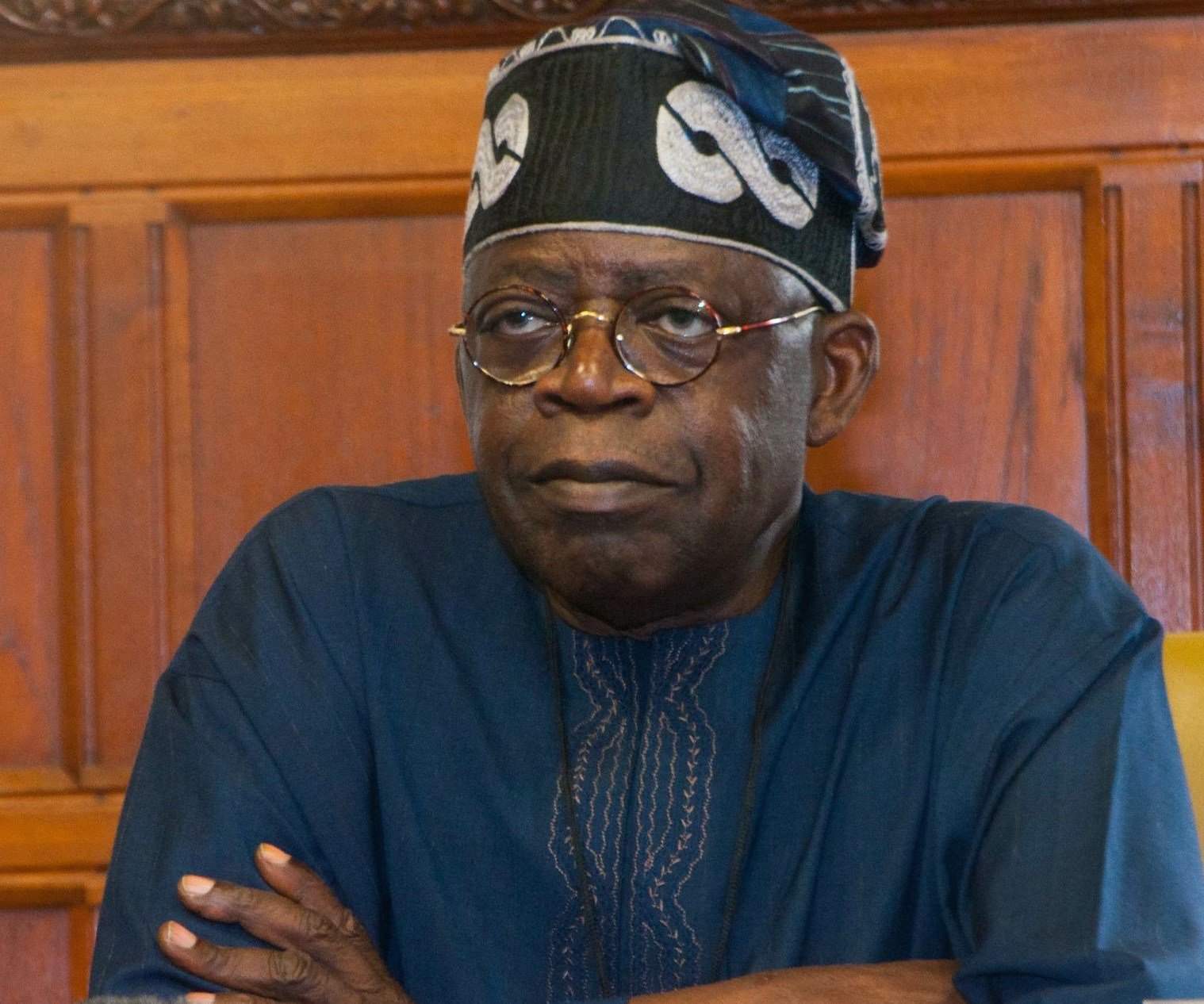
In the recent times, the Nigerian space has been very volatile as anger occasioned by extreme hunger, continue to ravage the land. This situation has led to a massive protest against the less than 15-months-old President Bola Tinubu-led administration in states across the nation, especially in the Northwest and Northeast corridors of the regions.
Themed #EndBadGovernanceInNigeria, the protests have been described as the consequence of a bottled up anger, which has engulfed Nigerians, from the extreme hardship that resulted with the pronouncement of Tinubu’s “Subsidy is gone” address on May 29, 2023.
With various manifestations of theories being propounded as the reasons for the consequential crises, most elites have said the a new constitution that will address the basic structure of the Peoples of Nigeria is urgently needed to assurge the desires of thr people, others have opined that at a time like this, all Nigerians are interested in is food for survival, and not constitution.
“Yes, we need a new constitution to address a lot of lopsided issues in the Nigerian nation, but as it stands today, the most important to address is hunger and hardship that has reduced many families to beggars, and has also made even the hitherto well to do members of the society to relapse into oblivion,” a hardship protester said.
As at the moment, a N500 plate of food cannot quench a form of hunger in roadside cafeterias otherwise ‘mama put’. One has to cough out as much as 1500 to 2000 to be able to have a ‘decent’ roadside. The eateries are now no go areas to average salary earner.
In the same vein a moderate tuber of yam that can serve for one meal in a family of 3/4 persons cost about 5000 as against 1000/1500. A bag of rice sells at N85000 depending on the location. Tomatoes and other cooking ingredients are gradually going beyond the reach of the regular.
Tinubu has therefore, in a make or mar effort to redeem image, launched into unproductive distribution of palliative to both individuals and governments, all in a bid to attempt to curb the resultant hardship, which has been acknowledged by the government. The effort has painted the administration as a palliative government of Nigeria, that has no clear-cut agenda to give the people a good life.
It would be recalled that life took a dramatic turn for the worse for Nigerians on May 29, 2023 minutes after President Tinubu was sworn in. It all took three simple words to bring a world of gloom to the citizens, who were hoping for a positive change from the drab eight years of General Muhammadu Buhari’s administration. What Nigerians got was a clear distance from prosperity and survival. In between May 2023 and the present, the situation has remained unprecedented as high cost of living, loss of jobs and general disconnect from deep-rooted welfarism have become the order of the day. Nigerians have continued to tell a tale of woe, the Tinubu loyalists have continued to defend a very bad situation, albeit unsuccessfully.
From the moment President Tinubu declared the unfamous subsidy is gone jargon, a drastic change occurred. And as if not deterred in the provision of antipeople policies, more policies and decisions that have further pushed citizens to the precipice were dished out including floating of the dollar, that has made naira a no use in the international money market, hike in elecrricity tarriff, and worse of all, the disappearance of operations of not a few multinational businesses.
In 2023, GlaxoSmithKline, Nigeria’s second-biggest drug producer, unceremoniously left the country after 51 years of operation. The British pharmaceutical giant said its prescription medicines and vaccines will only be sold in the country through third-party distributors. The same fate befell Unilever which shut down its home care and skin cleansing business. In the same 2023, another pharmaceutical multinational, Sanofi, left Nigeria.
Procter & Gamble (P&G), the US consumer goods powerhouse, which has been operating in the country for 30 years and ran two manufacturing plants in Ibadan, Oyo State and Agbara, Ogun State, closed down business operations and switched to only importation activity, describing the Nigeria market as problematic for the corporation.
Other companies that have called it quits with Nigeria since the advent of the Tinubu administration are Equinor Nigeria Energy Company (ENEC), a Norwegian energy corporation, which holds a 53.85 percent ownership in oil mining lease (OML) 128, including a 20.21 percent stake in the Agbami field, operated by Chevron. The company announced the sale of its Nigerian operations after three decades in the country’s energy market, including the company’s stake in Agbami oil field which were all sold to a Nigerian-owned firm, Chappal Energies.
Jumia Food and Bolt Foods also joined the long queue of companies that left Nigeria in December 2023. All blamed the rising and unstable foreign exchange rates and other unbearable government policies.
But the Tinubu government has continually told everyone that all was well, and the economy is on the right footing.
It is worth knowing that these aforementioned companies are known and in the limelight bwcause they are foreign companies. This is saying that in the alleged bad governance policies, private owned companies, the SMEs who could not even withstand the harsh inflation and cost of doing business have also packed up, as a direct consequence of the subsidy is gone pronouncement. These closures created wide gap of joblessness, unemployment and resultant hardship and hunger. This also heightened the spate of insecurity, thuggery, armed and petty robbery, kidnapping, banditry and outright terrorism.
It was not therefore, a surprise when out of the blues, a notice of 10-day long protest tagged #EndBadGovernance in Nigeria was initiated. The organizers, who were originally dismissed as faceless, outlined its demands including a reverse to previous electricity tariff regime, return of subsidy among other demands.
The Tinubu addressed any of the demands, but engaged in propaganda and threats using instrumentality of government, thugs, traditional institutions as in Lagos State, emergency groups and more. The protest however, held, and was successful in states, but failed in many other states, especially in the southeast.
After the third day when it became violent in the north east and west regions, President Tinubu addressed the nation. But Nigerians across board described his broadcast as porous and failed to address the spirit of the protest, which was a demand for end of hunger and hardship. Tinubu asked for more time, reiterating that his policies are for the good of the nation, no matter how unbearable they are.
He said, “In the past 14 months, our government has made significant strides in rebuilding the foundation of our economy to carry us into a future of plenty and abundance. On the fiscal side, aggregate government revenues have more than doubled, hitting over 9.1 trillion Naira in the first half of 2024 compared to the first half of 2023 due to our efforts at blocking leakages, introducing automation, and mobilising funding creatively without additional burden on the people. Productivity is gradually increasing in the non-oil sector, reaching new levels and taking advantage of the opportunities in the current economic ambience.
“My dear brothers and sisters, we have come this far. Coming from a place where our country spent 97% of all our revenue on debt service; we have been able to reduce that to 68% in the last 13 months. We have also cleared legitimate outstanding foreign exchange obligations of about $5billion without any adverse impact on our programmes.
“This has given us more financial freedom and the room to spend more money on you, our citizens, to fund essential social services like education and healthcare. It has also led to our State, and Local Governments receiving the highest allocations ever in our country’s history from the Federation Account.”
However, personalities like former Vice President, Atiku Abubakar, Nobel Laureate, Wole Soyinka among others derided the speech as lacking in substance, and failed to address the issue of hunger, which is the major reason for the protest.
According to Soyinka, the president also failed to mentioned the extrajudicial killings of some protesters by security agencies during the uprising.
“His outline of the government’s remedial action since inception, aimed at warding off just such an outbreak, will undoubtedly receive expert and sustained attention both for effectiveness and in content analysis. My primary concern, quite predictably, is the continuing deterioration of the state’s seizure of protest management, an area in which the presidential address fell conspicuously short,” Soyinka said.
In his response former VP Atiku said, “His speech neglects the pressing economic hardships that have besieged Nigerian families since the very beginning of his tenure.
“This address lacks credibility and fails to offer any immediate, tangible solutions to the Nigerian people. Given the extensive publicity surrounding the protests and the threats issued by government officials against demonstrators, one would have expected President Tinubu to present groundbreaking reforms, particularly those aimed at reducing the exorbitant costs of governance.




2027: Peter Obi Raises Doubt About Clinching ADC Presidential Ticket

Terrorism: Tinubu Seeks UK’s Assistance Amid Challenges

Bala Mohammed Debunks Defection Rumours, Affirms Loyalty to PDP

Reno, Fani-Kayode’s Brains Configured to Say Anything and Delete – Dele Momodu

Eid-el- Fitr: Interior Minister Announces Thursday, Friday As Public Holidays

AFCON 2025: Senegal Rejects CAF Verdict, Heads to CAS

Resign by March 31, Tinubu Tells Political Appointees Seeking Elective Offices in 2027

Fuel Importation Ban: Dangote Tackles NMDPRA over Continuous Issuance of Import Licences

The Billionaire Gang: The Quartet That Keeps Nigeria in Limelight

Wife’s Death: Mourners Throng Former Ovation Editor, Mike Effiong’s Home in Commiseration

The Six Focal Dimensions of Leadership: A Holistic Framework for Personal Mastery

Fola Adeola to Head Tinubu’s Petroleum Task Force

Tinubu, Wife, 12-Man Entourage Depart to UK on Historic State Visit

Former Super Eagles Playmaker, Henry Nwosu is Dead
-
 Business6 days ago
Fuel Importation Ban: Dangote Tackles NMDPRA over Continuous Issuance of Import Licences
-
 Boss Picks4 days ago
The Billionaire Gang: The Quartet That Keeps Nigeria in Limelight
-
 Events4 days ago
Wife’s Death: Mourners Throng Former Ovation Editor, Mike Effiong’s Home in Commiseration
-
 Opinion6 days ago
The Six Focal Dimensions of Leadership: A Holistic Framework for Personal Mastery
-
 Boss Of The Week5 days ago
Fola Adeola to Head Tinubu’s Petroleum Task Force
-
 Featured3 days ago
Tinubu, Wife, 12-Man Entourage Depart to UK on Historic State Visit
-
 Sports6 days ago
Former Super Eagles Playmaker, Henry Nwosu is Dead
-

 Adding Value6 days ago
Adding Value: Introducing the Six Pillars of Success by Henry Ukazu