
Featured
The Buhari Administration at 6: Counting the Blessing One by One by Femi Adesina

Published
5 years agoon
By
Eric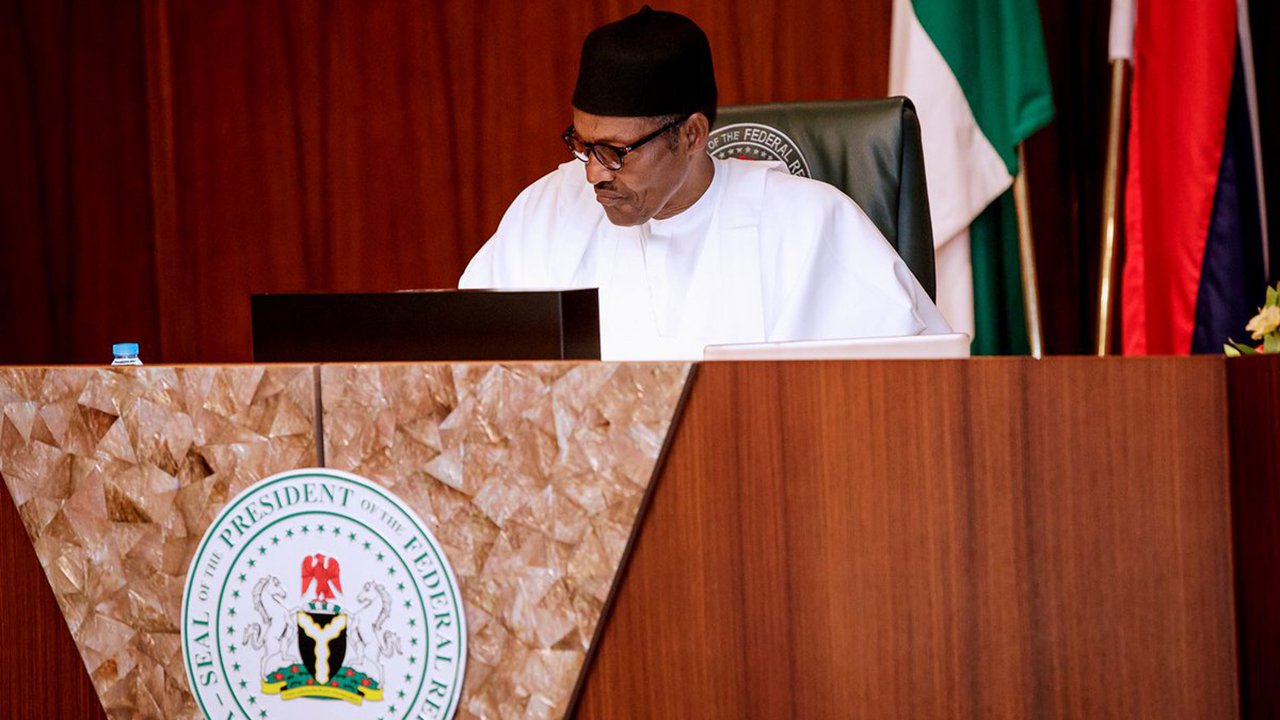

The Muhammadu Buhari administration clocks six years May 29, 2021. This milestone affords the opportunity to reflect, and recount the impact that has been made (and is being made) on different sectors of national life.
From infrastructure, to finance, education, healthcare, sports, anti-corruption, human development, housing, oil and gas, foreign relations, and many others, the Administration is recording giant strides, enough to make Nigerians proud. That is, those who are dispassionate and fair-minded, not beclouded by political partisanship and undue cynicism.
Some people claim: we don’t see what they are doing. We don’t hear about it. Well, here it is. A Fact Sheet, a report card on the Buhari Administration, just a bit of the successes, as the milestone of six years is attained.
As it is said, the past is but a story told. The future may yet be written in gold. When the Administration breasts the tape in another two years, by the grace of God, the applause will be resounding, even from the worst of sceptics. Facts are undeniable, and always remain so. They are stubborn things.
INFRASTRUCTURE
-Presidential approval, in 2020, for the establishment of InfraCo Plc, a world class infrastructure development vehicle, wholly focused on Nigeria, with combined debt and equity take-off capital of N15 trillion, and managed by an independent infrastructure fund manager.
– Establishment in 2020 of the Presidential Infrastructure Development Fund (PIDF), with more than $1 Billion in funding so far.
– The Nigerian Sovereign Investment Authority (NSIA) has seen total additional inflows from the Government of around US$2 billion under the Buhari Administration – since the original US$1 billion which the Fund kicked off with in 2012.
– Launch of the Nigeria Innovation Fund, by the NSIA, to address investment opportunities in the domestic technology sector: data networking, datacenters, software, Agri-tech, Bio-tech, etc.
RAIL
– 156km Lagos-Ibadan Standard Gauge Rail nearing completion
– 327km Itakpe-Warri Standard Gauge Rail completed and commissioned 33 years after construction began.
– Abuja Light Rail completed in 2018.
– Ground-breaking done for construction of Kano-Maradi Standard Gauge Rail, and revamp of Port-Harcourt-Maiduguri Narrow Gauge Rail.
– Financing negotiations ongoing for Ibadan-Kano Standard Gauge Rail project
ROADS
– Presidential Infrastructure Development Fund (PIDF), investing over a billion dollars in three flagship projects: Lagos-Ibadan Expressway, Second Niger Bridge, Abuja-Kaduna-Zaria-Kano Expressway.
– Executive Order 7 mobilizing private investment into the development of key roads and bridges like Bodo-Bonny in Rivers and Apapa-Oshodi-Oworonshoki-Ojota in Lagos
– Highway Development and Management Initiative (HDMI), a public-private partnership program to mobilise, in its first Phase, over a Trillion Naira in private investment into the development and maintenance of 12 Roads, amounting to 1,963km in length.
– More than 360 billion Naira worth of Sukuk Bonds raised since 2017 for dozens of critical road projects across all six geopolitical zones.
PORTS
– Completion of New Terminals for International Airports in Lagos, Abuja, Kano and Port Harcourt
– Construction of New Runway for Abuja and Enugu International Airports
– Presidential approval for four International Airports as Special Economic Zones: Lagos, Kano, Abuja and Port Harcourt.
– Approval for new private-sector funded deep sea ports: Lekki Deep Sea Port (Construction already well underway, for completion in 2022); Bonny Deep Sea Port (Ground-breaking done in March 2021); Ibom Deep Sea Port; and Warri Deep Sea Port
– Development of capacity at the Eastern Ports:
o In December 2017, Calabar Port commenced export of bulk cement to Tema Port in Ghana
o In 2019, three container ships berthed at Calabar Port, for the first time in eleven years
o Dredging of Warri Port (Escravos Bar—Warri Port channel) completed in 2018
o On October 30, 2019, an LPG Tanker operated by NLNG, berthed in Port Harcourt – the first time ever an LPG ship berthed in any of the Eastern Ports
o On December 8, 2019, Onne Port received JPO VOLANS (owned by Maersk), the FIRST gearless and largest container vessel (265.07 metres) to call at any Eastern Port in Nigeria.
o On August 1, 2019, Onne Port’s Brawal Terminal received MSC GRACE, its first container vessel since 2012.
POWER
Energizing Education Programme: Taking clean and reliable energy (Solar and Gas) to Federal Universities and Teaching Hospitals across the country. Four Universities completed and commissioned already: BUK (Kano), FUNAI (Ebonyi), ATBU (Bauchi) and FUPRE (Delta); others ongoing.
Energizing Economies Programme: Taking clean and reliable energy (Solar and Gas) to markets across the country. Completed projects include Sabon-Gari Market in Kano, Ariaria Market in Aba, and Sura Shopping Complex in Lagos.
National Mass Metering Programme: Nationwide rollout of electricity meters to all on-grid consumers, launched in August 2020. The Central Bank of Nigeria is providing 60 billion Naira for the first phase, with a target of 1 million meter installations. So far more than 500,000 meters have been delivered to the Discos, and more than 280,000 installed.
Solar Power Naija: Launched in April 2021 to deliver 5 million off-grid solar connections to Nigerian households. The program is expected to generate an additional N7 billion increase in tax revenues per annum and $10 million in annual import substitution. In May 2021, the Rural Electrification Agency announced the planned deployment of solar-powered grids to 200 Primary Health Centres (PHC) and 104 Unity Schools nationwide.
Presidential Power Initiative (PPI), aka Siemens Power Program: A Government-to-Government initiative involving the Governments of Nigeria and Germany, and Siemens AG of Germany, to upgrade and modernize Nigeria’s electricity grid. Contract for the pre-engineering phase of the Presidential Power Initiative (PPI) was signed in February 2021, following the 2020 approval for the payment of FGN’s counterpart funding for that phase.
Nigeria Electrification Project (NEP) has provided grants for the deployment of 200,000 Solar Home Systems, impacting one million Nigerians. The NEP is also delivering mini-grids across the country.
HOUSING
– The Family Homes Fund Limited (FHFL), incorporated by the Federal Government of Nigeria in September 2016, is the implementing agency for the Buhari Administration’s National Social Housing scheme.
– More than two thousand (2,000) hectares of land with titled documents have been given by 24 States for the Buhari administration’s Social Housing programme, with the capacity to accommodate about 65,000 new homes.
– Under the National Social Housing programme, Nigerians will be given at least a 15-year period with a monthly payment at 6 percent interest rate, to pay for each housing unit. The Central Bank of Nigeria is providing a N200 Billion financing facility, with a guarantee by the FGN.
OIL AND GAS
The Buhari Administration has declared this decade the “Decade of Gas.”
– Ground-breaking on 614km Ajaokuta-Kaduna-Kano Gas Project.
– Successful completion of Nigeria’s first Marginal Field Bid Round in almost 20 years, expected to raise in excess of half a billion dollars, and open up a new vista of investment in oil and gas.
– Launch of National LPG Expansion Programme (including Removal of VAT from the domestic pricing of LPG)
– Financial close and signing of contract for NLNG Train 7, which will grow Nigeria’s production capacity by about 35%
– Nigeria and Morocco have in 2021 signed an agreement to develop a US$1.4 billion multipurpose industrial platform (Ammonia and Di-Ammonium Phosphate production plants) that will utilize Nigerian gas and Moroccan phosphate to produce 750,000 tons of ammonia and 1 million tons of phosphate fertilizers annually by 2025. It will be located in Ikot-Abasi, Akwa-Ibom State.
– Commissioning, in December 2020, of the new NPDC Integrated Gas Handling Facility in Edo State, the largest onshore LPG plant in the country, with a processing capacity of 100 million standard cubic feet of gas daily, producing 330 tonnes of LPG, 345 tonnes of propane and 2,600 barrels of condensate, daily.
– Establishment of a $350m Nigerian Content Intervention Fund, to finance manufacturing, contracts and assets in the oil and gas industry
– Financial Close on the following NNPC-involved projects:
o A 10,000 tonnes per day methanol plant and a 500 million standard cubic feet per day gas processing plant, in Odeama, Brass, Bayelsa State.
o The ANOH gas processing plant, with a processing capacity of 300 million standard cubic feet of gas, in Imo State. It is a Joint Venture between Seplat Petroleum Development Company and the Nigerian Gas Company, a wholly owned subsidiary of Nigerian National Petroleum Corporation (NNPC). It also has the potential to deliver 1,200MW of power when completed.
o Comprehensive Rehabilitation of the Port Harcourt Refinery (PHRC). Sign-off Ceremony of Engineering, Procurement & Construction (EPC) Contract held in April 2021, marking the commencement of site handover and full mobilization to site.
– Policy, Regulatory and Funding Support for the establishment of Modular Refineries across the Niger Delta. When the Administration took office in 2015 Nigeria had only one functioning Modular Refinery. Today there are at least six ongoing brownfield and greenfield Modular Refinery Projects across the Niger Delta. In 2020 President Buhari commissioned the first phase of the Waltersmith Modular Refinery, in Imo State.
– Launch of the Nigerian Upstream Cost Optimization Programme (NUCOP), to reduce operating expenses through process enhancement and industry collaboration.
AGRICULTURE
– Anchor Borrowers Program (ABP): The Anchor Borrowers Programme (ABP) of the Central Bank of Nigeria, launched by President Muhammadu Buhari on November 17, 2015, has made more than 300 billion Naira to more than 3.1 million smallholder farmers of 21 different commodities (including Rice, Wheat, Maize, Cotton, Cassava, Poultry, Soy Beans, Groundnut, Fish), cultivating over 3.8 million hectares of farmland.
– Presidential Fertilizer Initiative: Launched as a government-to-government partnership between the Nigerian and Moroccan Governments, in December 2016, the Presidential Fertilizer Initiative (PFI) produced ~12million 50kg bags of NPK 20:10:10 equivalent in 2020, bringing total production since inception to over 30 million 50kg bags equivalent; and number of participating blending plants increased to 44 from three at inception.
– Special-Agro Industrial Processing Zones (SAPZ) Programme: A partnership between FGN, AfDB Group, and other stakeholders including IFAD and BOI. Under the SAPZ programme, agro-processing centres will be established across the country. The agro-processing centres will be provided with basic infrastructure such as water, electricity and roads as well as facilities for skills training. Seven (7) States and the FCT selected for the pilot phase, due to commence 2021: Ogun, Oyo, Imo, Cross River, Kano, Kaduna, Kwara.
– The Green Imperative – a Nigeria-Brazil Agricultural Mechanisation Programme aimed at boosting agricultural production in Nigeria. The National Assembly has approved a loan for the financing of the program, which will involve the development of 632 privately-operated primary production (mechanisation) Service Centers and 142 Agro processing (value addition) service Centres across the 774 LGAs, and the reactivation of 6 privately owned partially-operational or moribund tractor assembly plants nationwide. It will also train 100,000 new extension workers.
SOCIAL INVESTMENT AND POVERTY ALLEVIATION
– In 2016, President Buhari launched the National Social Investment Programme, currently the largest such programme in Africa and one of the largest in the world. Currently, the National Social Register of poor and vulnerable Nigerians (NSR) has 32.6 million persons from more than 7 million poor and vulnerable households, identified across 708 local government areas, 8,723 wards and 86,610 communities across the 36 States of the country and the FCT.
– From this number, 1.6 million poor and vulnerable households (comprising more than 8 million individuals, in 45,744 communities from 5,483 Wards of 557 LGAs in 35 states and the FCT are currently benefiting from the Conditional Cash Transfer (CCT) program, which pays a bimonthly stipend of N10,000 per household.
– In January 2019, President Buhari launched Nigeria’s Micro-Pension Scheme – which allows self-employed persons and persons working in organisations with less than 3 employees to save for the provision of pension at retirement or incapacitation.
– Establishment of Survival Fund, National Youth Investment Fund, and National Special Public Works Program (774,000 beneficiaries across 774 LGAs nationwide), and the Central Bank’s Covid-19 300 billion Naira Targeted Credit Facility (TCF) – more than 150 billion Naira disbursed so far – to support millions of small businesses, households and young people, with federal grants, loans and stipends.
– The Buhari Administration’s Survival Fund has provided its grants (Payroll Support, Artisan and Transport Sector grants, and General MSME grants) to more than 800,000 beneficiaries, since the last quarter of 2020. It has also provided free business registration to more than 200,000 MSMEs across the country.
– Presidential approval for the establishment of the Nigeria Investment and Growth Fund (NIG-Fund), in 2021.
– As at the end of 2020, Development Bank of Nigeria (which commenced operations in 2017) had disbursed 324 billion Naira in loans to more than 136,000 MSMEs, through 40 Participating Financial Institutions (PFIs). (57% of the beneficiaries are women-owned MSMEs while 27% are youth-owned).
– Bank of Industry has disbursed more than 900 billion Naira in loans to over 3 million large, medium, small and micro enterprises, since 2015.
– In January 2019, President Buhari launched Nigeria’s Micro Pension Scheme – which allows self-employed persons and persons working in organisations with less than 3 employees to save for the provision of pension at retirement or incapacitation.
EDUCATION AND HEALTH
– Since assuming office, the Buhari Administration has committed more than N1.7 trillion of capital intervention to Nigeria’s tertiary institutions, through various means, including TETFund – with the universities taking the lion share of the total amount.
– The Federal Government has disbursed more than 170 billion Naira in UBE Matching Grants to States and the FCT since 2015, 8 billion Naira in Special Education Grant to States and private providers of Special Education, and 34 billion Naira from the Teachers Professional Development Fund to States and the FCT.
– Launch of the Alternate School Programme (ASP), designed to ensure that every out-of-school child in Nigeria gains access to quality basic education, irrespective of social, cultural or economic circumstance, in line with the aspirations of Sustainable Development Goal 4 (SDG-4).
– Presidential approval for a new (extended) Retirement age of 65 and Length of Service of 40 years for Teachers in Public Basic and Secondary Schools in Nigeria (both effective January 1, 2021), as well as a new Special Teachers Salary Scale (effective January 1, 2022), and also a new Special Teachers Pension Scheme.
– Reduction in number of out-of-school children, by 3,247,590, as at 31st December, 2020, achieved through a World-Bank financed program known as ‘Better Education Service Delivery for All’ (BESDA). 1,792,833 of that number achieved through formal schools while 1,454,757 are through non-formal interventions such as Almajiri, Girl-Child, Nomadic/Migrant and IDPs Education).
– Under the World Bank-supported Innovation Development & Effectiveness in the Acquisition of Skills (IDEAS) Project, approved in 2020, US$200m will be invested in 6 participating States (Abia, Benue, Ekiti, Gombe, Kano, Edo) as well as 20 Federal Science and Technical Colleges nationwide. Implementation will be stepped-up in 2021 to afford millions of Nigerian youths the opportunity to acquire hands-on skills to effectively contribute to national development.
– Presidential approval for the establishment of the following:
o Federal Maritime University, in Delta State
o Nigerian Army University, in Borno State
o Six new Colleges of Education (one per geopolitical zone: Odugbo, Benue State; Isu, Ebonyi State; Ekiadolor, Edo State; Gidan Madi, Sokoto State; Jama’are, Bauchi State; and Iwo, Osun State).
o Six new Federal Polytechnics in Kaltungo, Gombe State; Ayede, Oyo State; Daura, Katsina State; Shendam, Plateau State, Ohodo, Enugu State; and Ugep, Cross River State.
o Under the phased implementation of the National Youth Policy, 6 Federal Science & Technical Colleges (FSTC) were established in 2020, as follows: FSTC Ogugu, Kogi State; FSTC Hadeija, Jigawa State; FSTC Umuaka, Imo State; FSTC Igangan, Oyo State; FSTC Ganduje, Kano State; FSTC, Amuzu, Ebonyi State. Five (5) additional Federal Science and Technical Colleges (FSTC) will come on-stream in 2021, and will be located in Bauchi, Plateau, Sokoto, Enugu and Cross River States.
– Grants to State Governments: At least $2.5 million disbursed to each State of the Federation and the FCT, under the Saving One Million Lives (SOML) initiative, to improve health outcomes.
– Basic Health Care Provision Fund (BHCPF): For the first time since the National Health Act was passed in 2014, the Federal Government in 2018 began including the 1% minimum portion of the Consolidated Revenue Fund – amounting to 55 billion Naira in 2018 – to fund the Basic Health Care Provision Fund (BHCPF). The Fund is designed to deliver a guaranteed set health services to all Nigerians, through the national network of Primary Health Care centers.
– Passage of enabling legislation for the Nigeria Center for Disease Control (NCDC), for the first time since it was founded in 2011. President Buhari approved a grant of 5 billion Naira for the NCDC in March 2020, as part of the response to the Coronavirus pandemic.
– Tertiary Healthcare Upgrade Programme: A number of key Federal Hospitals across the country are being upgraded to effectively manage cancer and other major health challenges. Cancer Radiotherapy machines and other equipment are being provided to these hospitals. The National Hospital in Abuja has already received two LINAC (cancer treatment) machines.
– Nigeria Sovereign Investment Authority (NSIA) in March 2018 invested US$10m to establish a world-class Cancer Treatment Center at the Lagos University Teaching Hospital (LUTH), and US$5m each in the Aminu Kano University Teaching Hospital and the Federal Medical Centre, Umuahia, to establish modern Diagnostic Centres. These Centers have all been completed and are now operational.
– Launch in 2019 of a Cancer Treatment Support Programme, ‘Chemotherapy Access Partnership’, as a public-private partnership between the Federal Government of Nigeria and a Private Sector coalition, to enable Nigerians access lower-cost, high-quality medications for the treatment of several types of cancer.
CREATIVE INDUSTRY AND SPORTS
SPORTS
– Long overdue renovation of the Lagos and Abuja National Stadiums kicked off in 2020, ahead of concessioning for private management.
– In 2018, the National Sports Festival held for the first time since 2012.
– Nigeria national U-17 football team, the Golden Eaglets, won the FIFA U-17 World Cup for the fifth time, in 2015. Their first ever win was 30 years earlier, in 1985, when President Buhari was military Head of State.
– Nigeria’s participation at the 2016 Paralympic Games yielded her best gold medal result since Nigeria started taking part in the Games in 1992.
– D’ Tigress, Nigeria’s Female National Basketball Team won the 2017 FIBA Africa Women’s Championship, the continental championship Cup, for the first time in 12 years, and earned qualification for its first FIBA Women’s World Cup appearance since 2006.
– In 2018, D’ Tigress, Nigeria’s Female National Basketball Team earned its first-ever win at the FIBA Women’s World Cup, and went on to advance to the quarterfinals. The Team finished in 8th place – the best ever performance by an African Team.
– In 2019, D’ Tigress successfully defended its 2017 Afro Basketball Women Championship Title.
– In 2020, D’ Tigress became the only female African Team to qualify for participation in the 2020 Summer Olympic Games.
– Nigeria’s Women’s Football Team, the Super Falcons, won the African Women Cup of Nations (AWCON) in 2016 and 2018.
– In 2018, Nigeria hosted a FIFA Executive Football Summit, one of twelve worldwide.
– In 2019, the Super Falcons advanced to the group stage of the Women’s World Cup, for the first time in 20 years.
– In 2019, Nigeria won its first Athletics World Championship Medal in six years.
YOUTH AND CREATIVE INDUSTRY SUPPORT
– Establishment of the 75 billion Naira National Youth Investment Fund (NYIF), approved by President Buhari in 2020
– Establishment of the Creative Industry Financing Initiative (CIFI), by the Central Bank of Nigeria (CBN) in collaboration with the Bankers’ Committee, to provide single-digit financing to young Nigerians in the fields of Fashion, Film, Music and Information Technology.
– In 20197, the Federal Government added Creative Industries to the list of qualifying sectors for ‘Pioneer Status’ Incentives – which grants relief from Corporate Income Tax for a specified period of time.
– Presidential Approval for the handover of the National Theatre, Lagos, to the Central Bank of Nigeria and the Bankers Committee, for redevelopment into a world-class Creative Park serving the theatre, film, fashion, music, and ICT sectors. The handover has been done, and redevelopment work (valued at about 20 billion Naira) has now kicked off.
FISCAL, TRADE, MONETARY AND INVESTMENT REFORMS
– The Nigerian Investment Promotion Council (NIPC) in 2017 completed a long-overdue revision of the list of activities that can benefit from Nigeria’s Pioneer Status Incentive, which grants beneficiary companies a 3 to 5-year tax holiday. The revision, done more than 10 ten years after the last one, has modernized the List, expanding the tax holiday incentives to qualifying companies in E-commerce, Software Development, Animation, Music, Film and TV.
– Restoration of Federal Budget to January-December cycle, with the 2020 Budget, for the first time in 12 years.
– Introduction, since 2020, of annual Finance (Reform) Bills to accompany the annual Federal Appropriation Bill
– Negotiation of the billions of dollars in arrears of Cash Calls we inherited when the administration assumed office, resulting in an agreement for a significant discount of more than a billion dollars. Since 2017 the NNPC has commenced payment of the arrears to the Oil Companies. As at Q4 2020, more than $3 billion of the ~$5 billion arrears had been cleared.
– Launch of a Visa-on-Arrival Policy, as part of Ease of Doing Business Reforms. In addition, a comprehensive reform of the existing Visa Regime, leading to the rollout in 2020 of a new and enhanced Visa Policy for Nigeria (including expansion from 6 visa categories to 79; each tailored to a specific type of traveller – 36 Temporary Residence Visas, 15 Permanent Residence Visas, 24 Short Visit Visas, etc.
PRESIDENTIAL ASSENT TO LEGISLATIVE BILLS
– Deep Offshore and Inland Basin Production Sharing Contracts Act, 1993 (Amendment) Act, 2019, which will deliver increased revenues to the Federation.
– Federal Competition and Consumer Protection Commission (FCCPC) Bill, the first legislation in Nigeria’s history focused on curbing anti-competition practices; establishing the Federal Competition and Consumer Protection Commission.
– Nigeria Center for Disease Control (NCDC) Establishment Act, 2018
– Mutual Assistance in Criminal Matters Bill, an Executive Bill, signed into law in 2019. The Bill facilitates the identification, tracing, freezing, restraining, recovery, forfeiture and confiscation of proceeds, property and other instrumentalities of crime, as well as the prosecution of offenders in criminal cases regardless of where in the world they might be.
– Bill establishing the Police Trust Fund, which will significantly improve funding for the Nigeria Police Force (2019).
– Nigeria Police Act, 2020 – the first comprehensive reform of Police legislation since the Police Act of 1943.
– Repeal and Re-Enactment of the Companies & Allied Matters Act (CAMA), 2020 – the first comprehensive reform since 1990.
– Not Too Young to Run Bill (2018) – a Constitution Amendment Bill, to reduce the age of eligibility for running for elective office in Nigeria.
– Nigerian Correctional Services Bill, 2019 – the first comprehensive reform of prison legislation in close to five decades
– Suppression of Piracy and other Maritime Offences Bill, 2019 – the first anti-piracy legislation in West Africa.
– A Bill to grant financial autonomy to States’ Houses of Assembly and States’ Judiciary (2018)
– Banks and Other Financial Institutions Act (BOFIA) 2020
– Finance Act 2019 and 2020
– The Discrimination Against Persons with Disabilities (Prohibition) Act, 2018.
EXECUTIVE ORDERS
– The Buhari Administration has, since 2017, issued a number of landmark Executive Orders:
o Executive Order on Promotion of Transparency and Efficiency in the Business Environment (2017)
o Executive Order on Promoting Local Procurement by Government Agencies (2017)
o Executive Order on Submission of Annual Budgetary Estimates by all Statutory and non-Statutory Agencies, including Incorporated Companies wholly owned by the Federal Government of Nigeria (2017)
o Executive Order on the Voluntary Assets and Income Declaration Scheme (2017)
o Presidential Executive Order on Planning and Execution of Projects, Promotion of Nigerian Content in Contracts, Science, Engineering and Technology (2018)
o Executive Order (and Amendment) on the Voluntary Offshore Assets Regularization Scheme (VOARS) (2018)
o Executive Order on Road Infrastructure Development and Refurbishment Investment Tax Credit Scheme (2019)
o Executive Order Implementing Financial Autonomy of State Legislature and State Judiciary (2020)
SUPPORT TO STATES
– The Buhari Administration has extended more than N2 Trillion Naira in bailout packages to State Governments, to enable them meet their salary and pension obligations, especially in the face of dwindling oil revenues in the first 3 years of the Administration. The support has come in the form of the following:
– Budget Support Facility (Total of 614 billion Naira extended to the States.
– Paris Club Refunds ($5.4 billion)
– Infrastructure Loans & Refunds: More than 700 billion Naira in refunds for Federal Road projects embarked upon by State Governments.
– Loan Restructuring for Facilities with Commercial Banks: In 2015, the DMO restructured Commercial Bank loans with a total value of N575.516 billion for 23 States to reduce the debt service burden on the states. In exchange for their loans to State Governments, the banks were issued 20-year FGN Bonds at a yield of 14.83% per annum. The Restructuring Exercise benefited the States through:
o Reduction in the monthly debt service burden of States from between 55% to 97% for various States;
o Interest rate savings for the States ranging from 3% to 9% per annum;
o Longer repayment period for the loans now converted into Bonds; and,
o Freeing up of needed cash to run the machinery of Government.
NIGER DELTA
– Take-off of the Nigerian Maritime University in Okerenkoko, Delta State. The University was granted approval in January 2018 by the National Universities Commission (NUC) to commence undergraduate degree programmes effective 2017/18 session, and commenced academic activities on April 12, 2018.
– Resumption of work on the 337km East-West Road project, originally awarded in 2006. The Buhari Administration expects to complete the project by Q1 2022.
– President Buhari approved 5 billion Naira in take-off grant for the Maritime University.
– Ogoni Clean-Up: Setting aside of US$170m seed funding for the Ogoni Clean Up, in an Escrow Account established for that purpose. The Escrow Agreement Signing Ceremony took place in April 2018. The Clean-Up commenced in January 2019, with the handover of the first batch of 21 sites to the selected remediation firms, after a painstaking procurement process. As of March 2021, 16 of the first 21 sites had been certified cleaned.
– Approvals for the establishment of private-sector-led Modular Refineries across the nine States of the Niger Delta – the first three Refineries have now been completed, while construction is ongoing on others.
ANTI-CORRUPTION AND TRANSPARENCY
EXPANSION OF TSA AND IPPIS COVERAGE
– On August 7, 2015, President Buhari issued a directive to all Ministries, Departments and Agencies (MDAs) to close their accounts with Deposit Money Banks (DMBs) and transfer their balances to the Central Bank of Nigeria on or before 15th September 2015.
– The TSA system was launched in 2012, but failed to gain traction until President Buhari’s executive order in August 2015. The TSA system has now been implemented in more than 90 percent of all Federal MDAs.
– This decision to fully operationalize the Treasury Single Account (TSA) system—a public accounting system that enables the Government to manage its finances (revenues and payments) using a single/unified account, or series of linked accounts domiciled at the Central Bank of Nigeria — has resulted in the consolidation of more than 17,000 bank accounts previously spread across DMBs in the country, and in savings of an average of N4 billion monthly in banking charges.
– In spite of great opposition, the Buhari Administration has expanded IPPIS coverage to the Armed Forces, as well as Federal Universities and other academic institutions.
BVN DEPLOYMENT FOR SOCIAL INVESTMENT PROGRAMMES AND OTHERS:
– Considering that personnel costs are the Federal Government’s largest expenditure line, the Federal Government has given priority to the deployment of the BVN for payroll and pension audits. The use of BVN to verify payroll entries on the Integrated Personnel Payroll Information System (IPPIS) platform has so far led to the detection of 54,000 fraudulent payroll entries.
– The Federal Government has also ensured the deployment of BVN system to serve as the verification basis for payments to beneficiaries and vendors in the Anchor Borrowers Programme (ABP), the N-Power Scheme and the Homegrown School Feeding Programme (HGSFP)
OPEN GOVERNMENT PARTNERSHIP
– In May 2016, President Buhari attended and participated in the International Anti-Corruption Summit organised by the UK Government. At that Summit he pledged that Nigeria would join the OGP, an international transparency, accountability and citizen engagement initiative.
– In July 2016, Nigeria became the 70th country to join the OGP. Following this, Nigeria constituted an OGP National Steering Committee (NSC), which went on to develop a National Action Plan (2017–2019) that aims to deepen and mainstream transparency mechanisms and citizens’ engagement in the management of public resources across all sectors.
– In 2018, Nigeria was elected to lead the OGP, alongside Argentina, France, and Romania. All four new members of the OGP Steering Committee will serve for three years starting on October 1, 2018.
ASSET RECOVERY
– Presidential Advisory Committee Against Corruption (PACAC) has helped anti-corruption agencies devise clearer strategies for obtaining forfeiture of assets suspected to have been acquired fraudulently, mainly from State Coffers, before prosecuting suspected culprits. Part of this work has involved painstakingly reviewing existing Laws (like the Money Laundering Act, 2004, the EFCC Act, 2004 and the ICPC Act, 2000), to identify and highlight sections directly conferring powers of forfeiture on Nigeria’s anticorruption agencies. This advocacy has led to a significant increase in the use of Non-Conviction Based Asset Forfeiture Mechanisms by anti-corruption agencies
– ICPC scrutiny of practices, systems and procedures of MDAs’ personnel cost from 2019 to 2020, yielded 189 billion Naira in recoveries from inflated personnel budgets.
– In 2019 alone ICPC also recovered 32 billion Naira worth of Land, Buildings and Vehicles.
– ICPC’s audit of Constituency Projects covering 2015 to 2018 helped recover 2 billion Naira of diverted funds and assets.
SECURITY AND JUSTICE REFORM
– Nigerian Air Force has acquired 26 brand new aircraft since President Buhari assumed office in 2015, and is expecting another 12 (the twelve Super Tucano currently on order from the United States Government, due for delivery starting July 2021). The NAF is also locally re-activating several previously unserviceable planes.
– The Nigerian Navy has acquired close to 400 new platforms since 2015, including 172 Riverine Patrol Boats (RPBs), 114 Rigid- Hull Inflatable Boats (RHIBs), 2 Seaward Defence Boats (SDBs), 12 Manta Class/Inshore Patrol Craft (IPC), 3 Whaler Boats, 4 Barges / Tug Boats, 22 Fast Attack Boats, 14 Unmanned Aerial Vehicles (UAVs), 4 Helicopters, 14 River Town Class, 14 House Boats and 4 Capital Ships.
– In line with the President’s directive, the Nigerian Navy has established a Naval Base Lake Chad in Baga, Borno State, as well as deployed 14 Naval Security Stations along the nation’s coastline in areas prone to criminal activity.
– President Buhari signed into law, in 2019, the Bill establishing the Police Trust Fund, which will significantly improve funding for the Nigeria Police Force.
– Nigeria Police Force launched a new National Command and Control Center in Abuja in 2019
– As part of Criminal Justice Reforms, President Buhari in 2020 granted amnesty to 2,600 prisoners nationwide, representing about 3.5 percent of all inmates, in a bid to decongest Nigeria’s prison population. The beneficiaries were those 60 years and above; those suffering from ill-health that might likely lead to death; convicts serving three years and above and have less than six months to serve; inmates with mental health defect; and inmates with a pending fine not exceeding N50,000 and with no pending cases.
– Presidential approval for commencement of Community Policing Programme nationwide, and release of take-off funding. The Community Policing Programme has now been enshrined into the Police Act, 2020.
– The Nigerian Immigration Service (NIS) is deploying a Migration Information and Data Analysis System (MIDAS) at five International Airports. MIDAS is a global real-time border management system developed by International Organization for Migration (IOM), and is linked to INTERPOL & other watchlists. The implementation of MIDAS at the International Airport in Abuja was described by the IOM as “the largest deployment of MIDAS at any airport globally, to date.”
DIPLOMACY AND INTERNATIONAL RELATIONS
Re-establishment of Nigeria’s position and influence in the regional and global arena. Fragile/broken relations with the United States, United Kingdom, South Africa, and with neighbouring countries (Chad, Niger, Cameroon) have been revived and strengthened since June 2015.
Major outcomes/results/manifestations of Nigeria’s renewed visibility and respect on the International Stage include:
– The positions of Deputy Secretary-General of the United Nations, Director-General of the World Trade Organization, Secretary-General of the Organization of Petroleum Exporting Countries (OPEC), African Development Bank, and African Export–Import Bank are all currently held by Nigerians.
– The signing, in August 2016, of an MoU with the UK Government on modalities for the return of Nigeria’s stolen assets in the UK.
– The establishment of a Global Forum for Asset Recovery (GFAR), hosted by the governments of the US and UK in December 2017, to focus on assisting Nigeria and three other countries to reclaim their stolen assets.
– Nigeria joined the Open Government Partnership (OGP) in 2016 and developed a National Action Plan, which is already being implemented.
– In 2016 Nigeria signed an Agreement on the identification and repatriation of Illicit Funds with the United Arab Emirates during President Buhari’s Visit to that country.
– The Federal Government under President Buhari has successfully engaged the governments of Switzerland, Jersey Island, United States, United Arab Emirates, and Liechtenstein among others, in an effort to ensure the repatriation of Nigeria’s stolen assets.
– A total of US$622 million in looted Abacha funds repatriated to Nigeria in two tranches in December 2017 and April 2020. The first tranche ($322m) is being disbursed as part of the Buhari Administration’s Social Investment Programme interventions, while the second tranche ($311m) is being invested in the Presidential Infrastructure Development Fund (PIDF), managed by the Nigeria Sovereign Investment Authority (NSIA).
– Under President Buhari’s watch, Nigeria has been playing an active and stabilizing role in OPEC. In 2017 Nigeria was able to successfully negotiate a vital exemption from production cuts agreed at the time, a move that helped shore up revenues and foreign reserves.
– The Buhari Administration has mobilized International Support for the War against Boko Haram, forging strong partnerships with key countries, including the United States, the United Kingdom, France and Germany, ECOWAS, the AU, the UN, and others. After years of stalemate, the United States finally agreed to sell – and has sold – weapons to Nigeria (12 Super Tucano Aircraft)
– Revamp of the Multinational Joint Task Force (MNJTF) comprising troops from Nigeria and Chad, Niger, Cameroon and Benin.
– The designation of President Buhari as the African Union (AU) Anti-Corruption Champion for 2018
– The designation of President Buhari by ECOWAS Heads of State as West Africa’s Covid-19 Champion in 2020.
– President Buhari’s interventions have helped restore and strengthen democracy in The Gambia and Guinea Bissau. He authorized the deployment of troops, fighter jets and warships to The Gambia during the impasse that followed the December 2016 Presidential elections.
– Successful evacuation and repatriation of more than 10,000 Nigerian migrants from Libya, with the support and partnership of the International Organization for Migration (IOM).
BILATERAL RELATIONS:
CHINA
– Billions of dollars in concessional infrastructure funding for critical road and rail projects. President Buhari’s April 2016 official visit to China has unlocked billions of dollars in infrastructure funding, primarily for road, rail and port projects;
– Implementation of a Chinese Yuan (CNY) 15 billion Currency Swap Agreement between the Peoples Bank of China and the Central Bank of Nigeria.
GERMANY
– Support for the Presidential Power Initiative (PPI), six-year Programme to modernise Nigeria’s electricity grid, under a Government-to-Government framework between the Nigerian and German Governments; to be managed and implemented by Siemens AG.
– Signing of a Memorandum of Understanding (MoU) between Nigeria Incentive-Based Risk Sharing System for Agricultural Lending (NIRSAL) and Petkus Technologie of Germany, aimed at significantly reducing the incidence/impact of post-harvest losses in Nigeria’s Agriculture Value Chain.
– Signing of a MoU with Volkswagen of South Africa (VWSA) to develop a joint vision for an automotive hub in Nigeria.
UNITED STATES (USA)
– Renewed cooperation in Security and Anti-Corruption. The US Government has approved the sale of 12 Super Tucano Aircraft to Nigeria, as well as repatriation of recovered looted monies and assets stashed in the US. In 2020 the United States and the Bailiwick of Jersey repatriated $311 million to Nigeria
– Nigerian and U.S. militaries collaborated to host, April 2018 in Abuja, the 2018 African Land Forces Summit, the largest gathering of African Army chiefs, to discuss cooperation aimed at improving security on the continent.
UNITED KINGDOM (UK)
– 2018: Nigeria commenced the implementation of Automatic Exchange of Tax Information (AETI) protocol with the United Kingdom. This Protocol will provide the Nigerian Government with data on bank accounts, property and trusts held in the UK by Nigerian nationals, and will support the Voluntary Assets and Income Declaration Scheme (VAIDS) by allowing Nigerian tax authorities to check the accuracy of declarations received regarding overseas assets and income.
– 2018: Launch of a UK-Government funded £13 million education programme that will provide training for teachers, school equipment, and security for schools, for 100,000 children living in parts of the Northeast affected by Boko Haram.
– 2021: Repatriation by the United Kingdom of GBP 4.2 million being recovered loot from the Ibori family, to Nigeria.
SOUTH AFRICA
– The SA-Nigeria Bi-National Commission was in 2019 elevated from Vice Presidential to Presidential Level, as a symbol of a renewed commitment to cooperation between Africa’s two largest economies.
MOROCCO
– The Presidential Fertilizer Initiative, PFI (which involves a partnership with the Government of Morocco, for the supply of phosphate, as well as technical assistance), has resulted in the revitalization of more than 40 blending plants across Nigeria.
– As part of the PFI, in 2018 Nigeria and Morocco signed a Memorandum of Understanding (between OCP of Morocco and the Nigeria Sovereign Investment Authority) on the establishment of a Basic Chemicals Platform, specifically to develop a significant Ammonia Production Plant in the Niger Delta. In March 2021, contracts were signed by NSIA and OCP for land acquisition, joint venture equity investment, and gas supply for the project.
RUSSIA
– Government-to-Government Arms Deal involving the supply of 12 Attack Helicopters to Nigeria
– Resuscitation Deal for the Ajaokuta Steel Rolling Mill, agreed by Presidents Buhari and Putin, during the Russia Africa Summit in 2019. The Russian Government has agreed to support the completion and full operationalization of the plant.
UNITED ARAB EMIRATES (UAE)
– Nigeria has signed and ratified an Extradition Treaty with the United Arab Emirates that allows extradition of Nigerians who flee to the UAE after committing crimes in Nigeria.
SAUDI ARABIA
– During the Future Investment Initiative (FII) in 2019, President Buhari met separately and held extensive talks with the King Salman bin Abdulaziz, and his son, Crown Prince Mohammed bin Salman, MBS; as well as the leadership of ARAMCO and the Saudi Sovereign Wealth Fund.
– One of the outcomes of the Saudi Visit was the agreement by the two governments to set up a joint Saudi-Nigeria Strategic Council, made up of government officials and businessmen from both countries, and which will focus on economic growth and development, investments in oil and non-oil sectors, and security cooperation.
INTERNATIONAL APPOINTMENTS HELD BY NIGERIANS
Designation of President Buhari as the African Union (AU) Anti-Corruption Champion for 2018, and by ECOWAS Heads of State as West Africa’s Covid-19 Champion in 2020.
– Amina Mohammed, Deputy Secretary-General of the United Nations (UN), appointed 2017.
Ngozi Okonjo-Iweala, Director General of the World Trade Organization (WTO) (first African and first woman to hold the position, elected 2021)
Akin Adesina, President of the African Development Bank, elected in 2015 and re-elected 2020.
Benedict Oramah, President of African Export-Import Bank (Afreximbank), re-elected for a second term in 2020
Mohammad Sanusi Barkindo, Secretary-General of the Organization of Petroleum Exporting Countries (OPEC); elected 2016, re-elected 2019.
Chile Eboe-Osuji, President of the International Criminal Court (ICC), 2018–2021.
Tijjani Muhammad-Bande, President of the 74th Session of the United Nations General Assembly, 2019–2020.
– Bankole Adeoye, Commissioner, African Union Commission’s Department for Political Affairs & Peace and Security, elected 2021.
CORONAVIRUS RESPONSE
“In Nigeria, we are taking a two-step approach. First, to protect the lives of our fellow Nigerians and residents living here and second, to preserve the livelihoods of workers and business owners to ensure their families get through this very difficult time in dignity and with hope and peace of mind.” – President Buhari
The President in March 2020 set up an Economic Sustainability Committee chaired by Vice President Osinbajo, to develop a comprehensive economic plan to respond to the disruptions and dislocations caused by the COVID-19 pandemic.
The ESC produced an Economic Sustainability Plan (ESP) that is being implemented and has been credited with helping Nigeria exit the Covid-induced recession faster than expected.
– The President in March 2020 set up a Presidential Task Force on Covid-19, chaired by the Secretary to the Government of the Federation, to coordinate Nigeria’s multi-sectoral inter-governmental approach to COVID-19. The PTF has since April 2021 transitioned into a Presidential Steering Committee (PSC) on Covid-19
President Buhari also approved the following, in 2020:
Establishment of a 500 billion Naira COVID-19 Crisis Intervention Fund, for the upgrading of health facilities nationwide, finance a national Special Public Works Programme, as well as any other interventions that may be approved in the future.
Launch of the Export Expansion Facility Programme, designed to ameliorate the impact of the pandemic on exporting businesses. The goals are market development (22 identified export markets), capacity building, export aggregation, and trade facilitation.
– Release of special intervention grants of 10 billion Naira and 5 billion Naira to the Lagos State Government and the Nigeria Center for Disease Control (NCDC) respectively, to facilitate the Covid-19 Response.
A three-month repayment moratorium for all Social Investment Programme microcredit loans (TraderMoni, MarketMoni and FarmerMoni), with immediate effect.
A three-month moratorium for all Federal Government funded loans issued by the Bank of Industry, Bank of Agriculture and the Nigeria Export Import Bank.
Presidential approval for Expansion of National Social Register (official database for implementation of the Conditional Cash Transfer programme) by 1 million additional households.
Related
You may like
Featured
Leatherworld: A Masterclass in Enduring Excellence
Published
6 days agoon
March 21, 2026By
Eric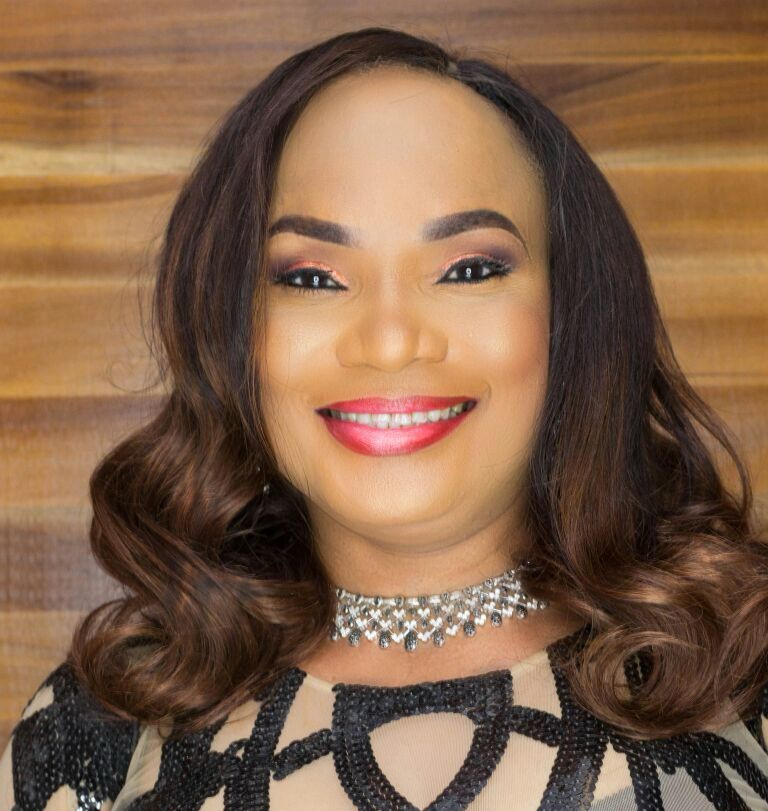
Leatherworld defines what it means to be classy. And it has confidently taken the higher road. For more than three decades, it has not merely sold furniture — it has demonstrated what class truly means in business: integrity in craftsmanship, consistency in service, and vision in growth. And as its name, “Leatherworld” implies, it is a world of its own.
Founded in 1994 to meet the demand for high-quality furniture in Nigeria, Leatherworld began as a retail outlet focused on premium pieces through partnerships with Italian luxury brands. However, it has now upped its ante, spreading its tentacles with showrooms in Victoria Island and Lekki Lagos, and also in Abuja in the Federal Capital Territory.
At a time when durability was often sacrificed for cost and quick turnover, the company made a deliberate decision: it would never compromise quality to cut corners. That principle has remained its compass ever since.
This is indeed the story of Leatherworld. For over 30 years, it has defined what luxury furniture means in Nigeria. It is not just a brand, it has consistently stood for one core principle: quality that lasts.
The company’s commitment to seasoned hardwood, aged for up to seven years before production, speaks to a patience that is rare in modern manufacturing. Indeed, its furniture is designed not for seasons, but for decade
Its growth has been matched by recognitions and honours from far and wide. Notable among some of these awards and recognitions are; international honours such as the Quality Summit New York International Award for Excellence (2013) to multiple awards from reputable organisation such as; the Nigerian National Assembly 2004 Awards, Furniture and Allied Products Manufacturers Association of Nigeria Award (2008), Interior Designer Association of Nigeria, IDAN, Award (2012). Indeed, Leatherworld’s name has become synonymous with leadership in interior décor and furniture manufacturing.
But beyond awards and expansion, it is its customer loyalty that tells the real story. For many clients, the Leatherworld experience begins long before the furniture is delivered.
The brand has earned respect across borders. But class is not proven by trophies alone. It is revealed in everyday interactions. Customers consistently describe professional staff, meticulous delivery teams, and after-sale technical support that is “second to none.”
From custom requests handled with speed and care to full-room assemblies executed with precision, Leatherworld treats service as part of the product itself.
Many customers attest to owning Leatherworld pieces for over 30 years — still structurally sound, still comfortable, still elegant. In a marketplace often flooded with disposable options, that kind of longevity is not accidental; it is intentional. This explains why the customers of Leatherworld attests to the durability and high quality of its products.
“I really enjoyed my shopping experience,” says Anita Ajah, who visited the Lagos showroom. “Their customer service was unlike anything I have experienced in Nigeria.”
Diana Ufuah shares a similar sentiment. “Leatherworld is the very best in terms of quality. I bought a sofa there and it is extremely comfortable and durable. What I also find intriguing is their customer service. My family and I were treated like royalty while shopping.”
It is a recurring theme – professionalism, warmth, and attention to detail.
Oluwole Adekoya describes the experience as “first-class quality furniture reasonably priced,” recommending the brand to anyone “with a dimension for taste.”
Kunle Adegbite highlights the end-to-end service: “I found exactly what I was looking for. Not only were the choices incredible, the service was outstanding. I requested their operations team to assemble my living room and they were quick, professional, and executed it beautifully. I couldn’t ask for more.”
Chioma Okonkwo, a long-standing client is more effusive in her review: “You only get bored with the same furniture but the thought of the new price you will pay keeps you loving your FOREVER furniture from Leatherworld!”
Those testimonies indeed speak volumes. Still, Leatherworld has not dithered from its vision to revolutionise the furniture and interior design industry in Nigeria and West Africa. And its message is simple: quality furniture is not a cost — it is an investment. You choose once. You choose well. You buy for life.
Leatherworld’s aesthetic draws inspiration from the elegance of Florence and the opulence of Nigerian culture — a fusion that respects global sophistication while celebrating local identity.
Its collections range from classical and neo-classical to contemporary and simple-line designs, ensuring that individuality is never compromised.
In doing so, the company has positioned itself not just as a seller of furniture, but as a curator of lifestyle — crafting pieces that define spaces for scholars, business leaders, families and discerning homeowners alike.
In business, class is consistency when no one is watching. It is honouring promises made decades ago. It is building products that outlive marketing campaigns. It is choosing long-term reputation over short-term gain.
In a competitive industry where shortcuts are tempting and compromise is common, Leatherworld has shown that real class lies in endurance — of materials, of service, of vision and of trust.
And in doing so, it has not only furnished homes across Nigeria and West Africa; it has furnished an example of how a company can grow, lead, and still remain grounded in excellence.
Bimbo Alashe, as the founder and CEO of Leatherworld Furniture Company, leads the international furniture retailing assemblage and manufacturing company in Nigeria. The company offers top quality leather furniture and accessories in wood, glass, marble, and other authentic and elegant materials, establishing a reputation for excellence in craftsmanship and design.
She is one of the most formidable entrepreneurs in Nigeria. Beyond building her company, she sits on the board of several companies and serves as a mentor to a number of aspiring and established entrepreneurs, sharing her experience and insight to help others grow.
Her story is not the typical one of a person who grows from old money. Alase had to create her story herself, making her way from the rough early days of owning a small mini-store to the point where she became a mega business owner through determination and persistence.
When Leatherworld was established, it entered the furniture space to redefine luxury and class. The business created an opportunity for her to explore her love for creativity, guided by a straightforward vision — to make high-quality furniture available to everyone.
Related
Featured
Tinubu, Atiku, Obi Felicitate with Muslim Ummah, Nigerians at Eid-el-Fitr
Published
7 days agoon
March 21, 2026By
Eric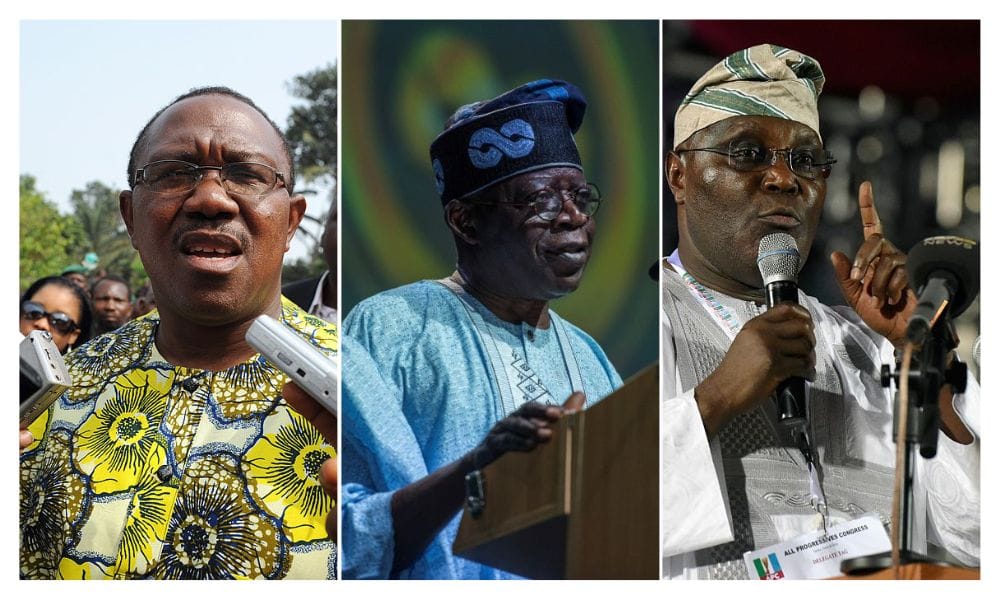
By Eric Elezuo
The three frontline political leaders in Nigeria; President Bola Tinubu, Alhaji Atiku Abubakar and Mr Peter Obi, have in separate messages call for the strengthening of security, sustenance of the spirit of goodwill imbibed during Ramadan as well as kindness among Nigerians as the Muslim Ummah celebrate the 2026 Eid-el-Fitr.
The messages are in response to the successful completion of the 30-day fasting – a period of dedication, sacrifice, spiritual renewal and stocktaking – which end birth the Eid-el-Fitr celebration.
Leading the avalanche of messages, President Tinubu, through a statement signed by his Special Adviser on Information and Strategy, Bayo Onanuga, reiterated the need to lead a pious life seasoned by empathy and unity among humankind.
He noted that though the Ramadan season is over, but the lessons of piety, selflessness, perseverance, kindness and compassion, which the period is known, must consistently be the watchword of every Nigerian.
The message is captured in details below:
As Muslims worldwide celebrate Eid-el-Fitr, marking the end of Ramadan, President Bola Ahmed Tinubu has congratulated the Muslim faithful in Nigeria, urging renewed commitment to the nation and humanity.
President Tinubu enjoined Nigerian Muslims to rededicate themselves to the noble teachings of the holy month, which emphasize piety, empathy, and unity among humanity.
“We have a lot to draw from the noble lessons of Ramadan, especially at a time like this. We must continue to abide by the virtues of piety, selflessness, perseverance, kindness and compassion beyond this period,” he said.
President Tinubu urged all Muslim faithful to extend a hand of kindness to the needy of all faiths, to further show unity and camaraderie.
The President also tasked Muslim leaders to use the occasion to offer prayers for peace and prosperity to prevail in the country.
In the same vein, former Vice President of Nigeria and chieftain of the African Democratic Congress (ADC), Atiku Abubakar congratulated the Muslim faithful in Nigerian and across the world on the successful completion of the mandatory Ramadan fasting, and the celebration of the Eid-el-Fitr.
A press statement signed by the media office of the former Vice President, admonished Muslims to remain steadfast in piety by maintaining peace and in charitable causes.
According to Atiku, the completion of the obligatory fasting in the noble month of Ramadan should lead to more commitment to the injunctions of Almighty Allah.
“The completion of the Ramadan fasting is a call to duty that ensures we sustain the good deeds that the noble month requires of us.
“We must ensure that the lessons of the month are not lost on us and that the celebration of today is a reminder to the people, especially Muslims, to follow in the tradition of the noble Prophet Muhammad (SAW) in seeking closeness to God through worship and maintaining peace,” Atiku said.
He further called on the government to take it more seriously, stressing that “the protection of the lives and property of citizens is a divine decree and the sole responsibility of every government.”
Atiku similarly enjoins the privileged in the society to keep providing charity to the less privileged as this would go a long way in ensuring that the rising tide of economic downturn does not weigh too heavily on the poor.
“A greater number of people are being crushed by the economic downturn and global events in the past three weeks have further exacerbated the situation. It is incumbent on the wealthy to be more compassionate by taking up the responsibility of charity to help cushion the effect of the burden on the poor,” Atiku said.
Also lending his voice the congratulatory messages, Labour Party’s former presidential candidate, and former Governor of Anambra State, Peter Obi, urged Nigerian Muslims to imbibe the spirit of Ramadan going forward even as the 30-day fast has officially ended.
“I join you with heartfelt joy as we celebrate Eid al-Fitr, the blessed festival that marks the successful completion of the sacred month of Ramadan.
“This occasion is a profound reminder of the power of faith, discipline, selflessness, and unwavering devotion to Almighty Allah.
“Throughout Ramadan, you have fasted, prayed, given charity, and drawn closer to God, embodying values that inspire not only the Muslim ummah but every person of goodwill. These lessons of compassion, humility, patience, and solidarity must not end with the month; may they continue to guide our hearts, our actions, and our shared life as Nigerians.”
Many other prominent Nigerians and institutions have also identified with the Muslims in celebration, drumming the lesson of service, patriotism, piety and above unity of purpose to the hearing and learning of all and sundry.
Related
Featured
TEF Entrepreneurship: Tony Elumelu Foundation Sets March 22 to Announce 2026 Cohort
Published
1 week agoon
March 20, 2026By
Eric
The Tony Elumelu Foundation (TEF), the leading philanthropy empowering young African entrepreneurs will announce the 12th cohort of the flagship TEF Entrepreneurship Programme on Sunday, March 22, 2026.
In 2026, the Foundation will empower a total of 3,200 entrepreneurs across all its entrepreneurship programmes:
1,751 entrepreneurs through Heirs Holdings Group: Heirs Energies, Transcorp Power, Transcorp Hotels, and United Capital; 1,049 entrepreneurs in partnership with the European Commission, OACPS, BMZ and GIZ; 100 entrepreneurs in partnership with Sèmè City Development Agency; 100 entrepreneurs in partnership with DEG, the German Development Agency; 100 entrepreneurs in partnership with the IKEA Foundation, UNICEF’s Generation Unlimited and the Dutch Government; and 100 entrepreneurs in partnership with UNDP and the Rwandan Ministry of Youth and Arts.
Applications to the flagship programme were received from over 265,000 young Africans, representing all 54 African countries, underscoring Africa’s vibrant entrepreneurial sector and the funding challenge for entrepreneurs. The new cohort will join the TEF Alumni community of more than 24,000 entrepreneurs.
The selection process is conducted by Ernst & Young, ensuring an independent and rigorous assessment of applicants.
Each selected Tony Elumelu Entrepreneur will receive $5,000 in non-refundable seed capital, access to world-class business management training on TEFConnect, one-on-one mentorship, and entry into a powerful network of investors, partners, and other entrepreneurs.
The Tony Elumelu Foundation has empowered over 2.5 million young Africans with access to business management training on our proprietary digital hub, TEFConnect, and disbursed over US$100 million in seed capital to more than 24,000 selected entrepreneurs. Collectively, these entrepreneurs have generated $4.2 billion in revenue and created more than 1.5 million direct and indirect jobs. Through our support for African entrepreneurs, TEF has lifted 2.1 million Africans above the poverty line, and positively impacted more than 4 million African households, with 46% of supported entrepreneurs being African women.
Ahead of the upcoming announcement, Tony O. Elumelu, C.F.R., Founder of the Tony Elumelu Foundation, reiterates his unwavering belief in the potential of Africa’s entrepreneurs:
“The future of Africa will be built by Africans who create businesses, generate jobs and solve the challenges of our continent. At the Tony Elumelu Foundation, we believe that empowering entrepreneurs is the most sustainable path to Africa’s economic transformation.
I look forward to announcing and congratulating the 2026 cohort of Tony Elumelu Entrepreneurs and look forward to witnessing the impact they will create across our continent.”
The general public is invited to join, virtually.
Related




The Oracle: The New Digital Colonialism: Navigating AI Policy Under Foreign Tech Dominance (Pt. 4)

WAEC Releases Results of CB-WASSCE 2026-First Series for Private Candidates

APC Convention: FG Blocks Roads, Orders Workers to Operate from Home

Friday Sermon: Accountability on the Day of Judgment

Tech and Humanity: AI Will Not Replace Us – But It Will Reveal Us

ADC Unveils Approved Timetable for Congresses, Convention

AFCON 2025: CAS Overturns CAF Verdict

Trump Announces 5-Day Ceasefire on Strikes Against Iran, Opts for Talks

The Travails of Nasir El-Rufai
AFCON 2025: CAS Overturns CAF Verdict

Open Letter to British Prime Minister, Sir Keir Starmer by Gold Emmanuel

Voice of Emancipation: President Tinubu’s State Visit to the United Kingdom

Dangote Warns of Dire Consequences for Nigeria If Iran War Continues

IGP Disu Redeploys Top Police Officers in Major Shake-up
Trending
-
 World5 days ago
Trump Announces 5-Day Ceasefire on Strikes Against Iran, Opts for Talks
-
 Headline6 days ago
The Travails of Nasir El-Rufai
-
 Sports2 days ago
AFCON 2025: CAS Overturns CAF Verdict
-
 Opinion5 days ago
Open Letter to British Prime Minister, Sir Keir Starmer by Gold Emmanuel
-
 Voice of Emancipation6 days ago
Voice of Emancipation: President Tinubu’s State Visit to the United Kingdom
-
 Headline4 days ago
Dangote Warns of Dire Consequences for Nigeria If Iran War Continues
-
 News3 days ago
IGP Disu Redeploys Top Police Officers in Major Shake-up
-

 News3 days ago
FG Helpless over Power Outages, Minister Adelabu Admits, Apologises to Nigerians