
Economy
Nigeria Overtakes India as Country with World’s Poorest Citizens



Economy
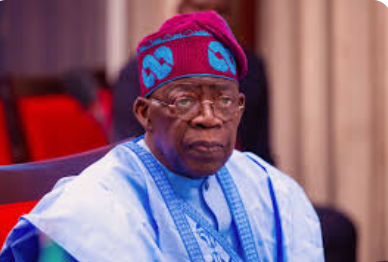
New Tax Laws: Presidential Committee Tackles KPMG over Criticisms of ‘Gaps’, ‘Errors’ and ‘Omissions’





Headline3 hours ago
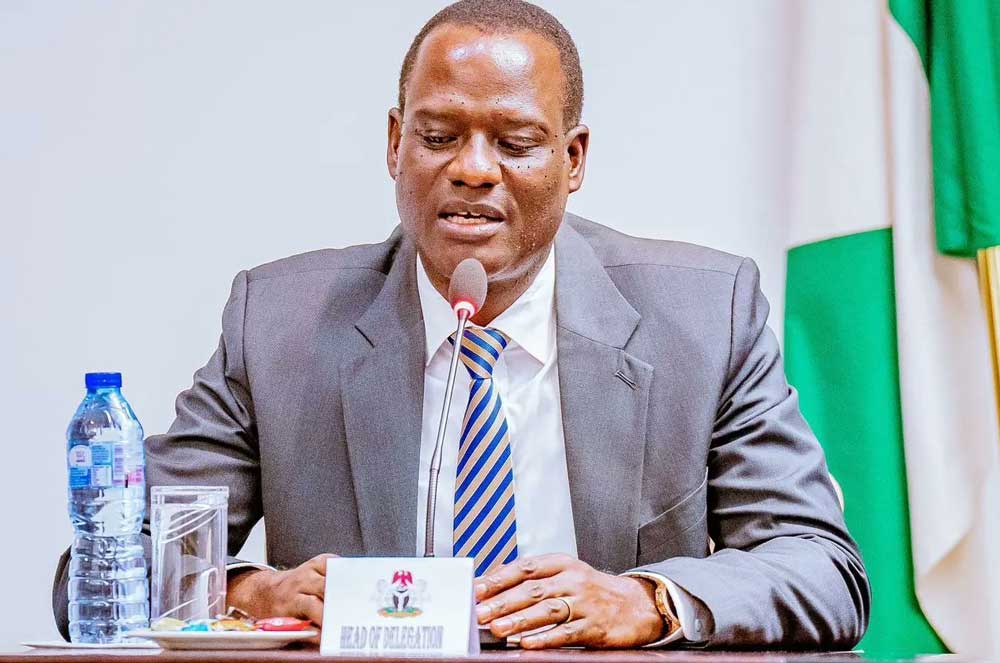
Terrorism: Tinubu Seeks UK’s Assistance Amid Challenges

Headline4 hours ago
Bala Mohammed Debunks Defection Rumours, Affirms Loyalty to PDP

Featured12 hours ago
Reno, Fani-Kayode’s Brains Configured to Say Anything and Delete – Dele Momodu

National1 day ago
Eid-el- Fitr: Interior Minister Announces Thursday, Friday As Public Holidays

Sports1 day ago
AFCON 2025: Senegal Rejects CAF Verdict, Heads to CAS

Featured1 day ago
Resign by March 31, Tinubu Tells Political Appointees Seeking Elective Offices in 2027

Sports1 day ago
CAF Strips Senegal of AFCON 2025 Victory, Declares Morocco Winner

Boss Picks6 days ago
The Boss Newspaper Welcomes Folu Adebayo into Its League of Columnists

Business5 days ago
Fuel Importation Ban: Dangote Tackles NMDPRA over Continuous Issuance of Import Licences

The Oracle6 days ago
The Oracle: The New Digital Colonialism: Navigating AI Policy Under Foreign Tech Dominance (Pt. 2)

Boss Picks3 days ago
The Billionaire Gang: The Quartet That Keeps Nigeria in Limelight

Opinion5 days ago
The Six Focal Dimensions of Leadership: A Holistic Framework for Personal Mastery

Events3 days ago
Wife’s Death: Mourners Throng Former Ovation Editor, Mike Effiong’s Home in Commiseration

USA6 days ago
Operation Epic Fury: I’m No Longer Interested in Nobel Peace Prize, Says Trump
-
 Boss Picks6 days ago
The Boss Newspaper Welcomes Folu Adebayo into Its League of Columnists
-
 Business5 days ago
Fuel Importation Ban: Dangote Tackles NMDPRA over Continuous Issuance of Import Licences
-
 The Oracle6 days ago
The Oracle: The New Digital Colonialism: Navigating AI Policy Under Foreign Tech Dominance (Pt. 2)
-
 Boss Picks3 days ago
The Billionaire Gang: The Quartet That Keeps Nigeria in Limelight
-
 Opinion5 days ago
The Six Focal Dimensions of Leadership: A Holistic Framework for Personal Mastery
-
 Events3 days ago
Wife’s Death: Mourners Throng Former Ovation Editor, Mike Effiong’s Home in Commiseration
-
 USA6 days ago
Operation Epic Fury: I’m No Longer Interested in Nobel Peace Prize, Says Trump
-

 Boss Of The Week5 days ago
Fola Adeola to Head Tinubu’s Petroleum Task Force