Connect with us

World

Iran’s Intelligence Chief Killed in US-Israeli Strikes

Published

on

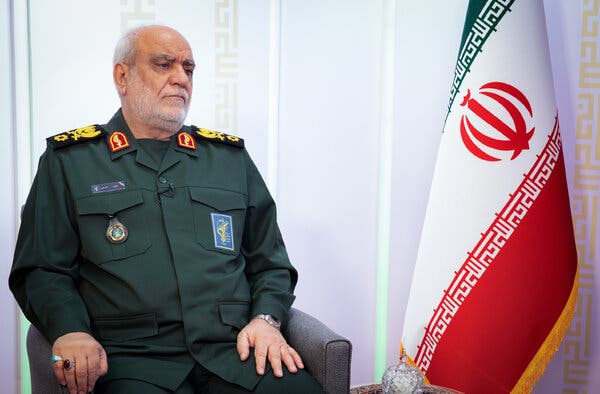
The head of Iran’s Islamic Revolutionary Guard Corps (IRGC) intelligence, Maj. Gen. Majid Khademi, was killed in airstrikes on Tehran on Monday, April 6, according to Iranian state media and Israeli officials.

The strikes were part of a broader wave of attacks carried out by Israel and the United States across Iran, which killed more than 25 people, The Associated Press reported.

Explosions were heard across Tehran for several hours, with thick smoke rising near Azadi Square after one strike hit the grounds of Sharif University of Technology.

Iran responded by launching missiles toward Israel and Gulf states, with impacts reported in the northern Israeli city of Haifa, where four people were killed, according to local authorities.

Air defense systems were activated in Kuwait, Saudi Arabia, and the United Arab Emirates to intercept incoming missiles and drones.

The killing of Khademi marks one of the highest-profile Iranian military casualties since the start of the current escalation.

Israeli Defense Minister, Israel Katz, said the strikes would continue to target senior Iranian officials.

“Iran’s leaders live with a sense of being targeted…We will continue to hunt them down one by one,” Katz said.

Ceasefire efforts, Hormuz tensions

The escalation comes as mediators from Egypt, Pakistan, and Turkey proposed a 45-day ceasefire, including the reopening of the Strait of Hormuz, according to two regional officials cited by AP.

Neither Iran nor the United States has publicly responded to the proposal.

Meanwhile, US President, Donald Trump, has warned Tehran to reopen the strategic waterway, threatening further strikes on infrastructure if it fails to comply.

“Tuesday will be Power Plant Day… in Iran,” Trump wrote on social media.

Iranian officials rejected the ultimatum, with parliamentary Speaker Mohammad Bagher Qalibaf calling the threats “reckless.”

The Strait of Hormuz is a key global energy route through which about 20% of the world’s oil supply passes in peacetime.

Casualties rise across region

Iranian authorities said at least 15 people were killed in a strike near Eslamshahr, southwest of Tehran, while additional casualties were reported in Qom and other cities.

Three more people were killed in a residential strike in Tehran, according to state television.

Since the start of the conflict, more than 1,900 people have been killed in Iran, though official figures have not been updated in recent days.

Earlier, President Volodymyr Zelensky said that Russia has provided Iran with satellite intelligence on more than 50 Israeli energy grid targets to assist in ongoing strikes. The data shared by Moscow covers approximately 50 to 53 sites, all of which are part of Israel’s civilian infrastructure with no military purpose, Zelensky stated. He drew a direct parallel between these actions and Russia’s long-standing campaign against Ukraine’s power and water systems.

Continue Reading
Click to comment

Leave a Reply

Your email address will not be published. Required fields are marked *

World

Israel Questions Pakistan’s Credibility in Mediating over US-Iran Ceasefire Agreement

Published

on

By

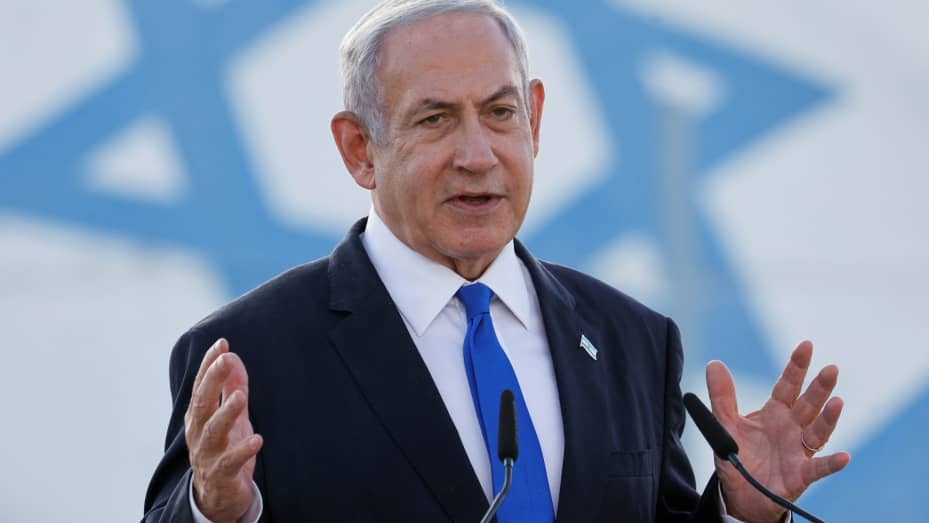
Israel has expressed doubts about Pakistan’s ability to act as a credible mediator in the ongoing Middle East conflict. This comes as diplomatic interactions involving the United States and Pakistan continue, particularly regarding Iran and its allies. Israel’s Ambassador to India, Reuven Azar, made his position clear during a recent statement in New Delhi.

Ambassador Azar articulated that Israel does not recognise Pakistan as a dependable player in mediation. He elaborated that the United States’ decision to engage Pakistan in these diplomatic efforts is driven primarily by its own strategic interests.

During his remarks, Azar addressed the historical context in which the United States has previously involved countries like Qatar and Turkey to facilitate talks aimed at reaching agreements with groups such as Hamas. He indicated that these choices were made for pragmatic reasons rather than based on the reliability of the states involved.

US Strategy Involving Pakistan

The involvement of Pakistan by the United States is reportedly based on specific strategic calculations that align with its broader diplomatic goals in the region. Despite Israel’s scepticism, Washington appears committed to its course of diplomatic engagement, which includes Pakistan as a participant in discussions related to the conflict.

Ambassador Azar also emphasised the importance of coordination with the United States regarding the desired outcomes of these diplomatic efforts. He noted that maintaining alignment with US objectives is crucial for Israel as it navigates the complexities of the ongoing hostilities.

Moreover, Azar’s comments suggest that there is a level of caution within Israel regarding the potential implications of Pakistan’s involvement. The ambassador’s statements reflect a broader perspective among Israeli officials about the challenges of engaging with states that possess varied relationships with groups involved in the conflict.

Regional Implications of Mediation Roles

The rejection of Pakistan as a credible mediator raises questions about the future of diplomatic efforts in the Middle East. As the situation evolves, the roles of various nations in facilitating peace talks will remain under scrutiny. The perspectives of nations like Israel are central to understanding the dynamics of mediation in ongoing conflicts.

Ambassador Azar’s comments may influence how other countries view Pakistan’s involvement. As different nations weigh the potential effectiveness of various mediators, the confidence displayed by Israel could impact international diplomatic discussions going forward.

The current geopolitical landscape is complicated, with alliances and enmities frequently shifting. Israel’s firm stance against Pakistan’s mediation reflects deeper concerns about the reliability of diplomatic partners in a region marked by longstanding tensions and hostilities.

Source: thecsrjournal.in

Continue Reading

World

Mahama, Macron Hold High-Level Bilateral Talks in France

Published

on

By

By Eric Elezuo

True to his words targeted at reshapening the economic narratives of the people of Ghana, President John Dramani Mahama, has paid a diplomatic and economic visit to France, where he held high level bilateral talks with his counterpart, Mr. Emmanuel Macron.

The Ghana President’s visit corresponds with his intention to maximize his second term in office towards making the Eldorado that it was during his first coming between 2012 and 2016.

The presidency.gov.gh, the authentic platform for activities of President Mahama, captured the visit as follows:

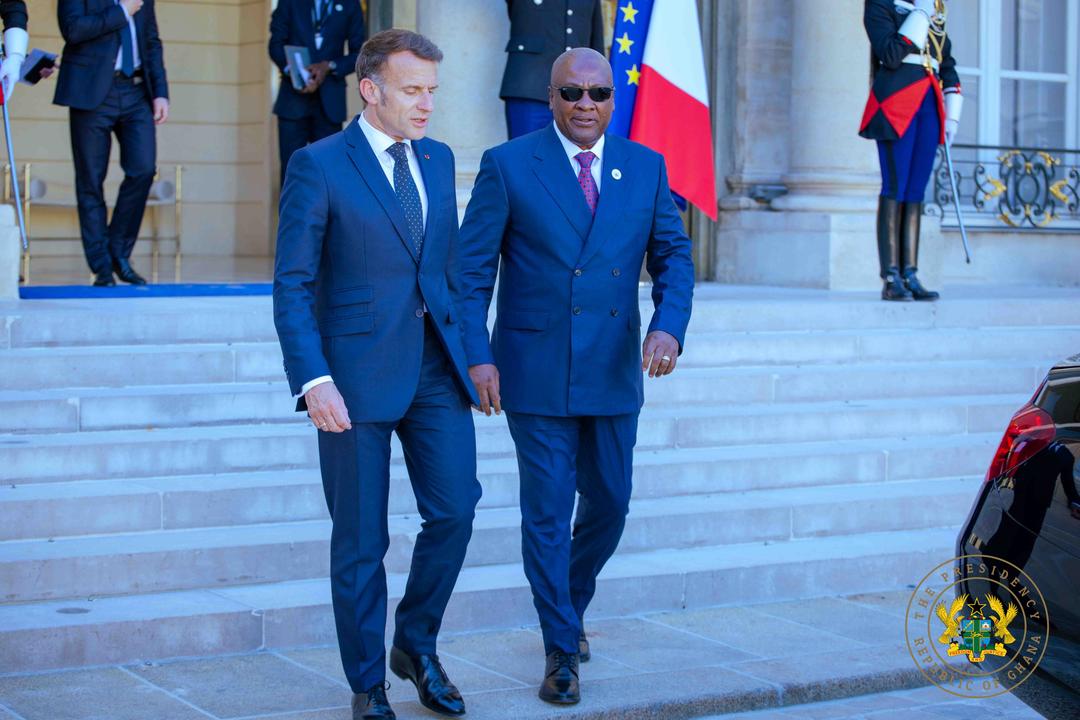
President John Dramani Mahama and his French counterpart, President Emmanuel Macron, held high-level bilateral talks at the Élysée Palace on Wednesday, marking a significant milestone in the deepening diplomatic and economic relationship between Ghana and France.

The meeting, held at the official invitation of President Macron, followed the successful conclusion of the One Health Summit in Lyon, which both leaders co-chaired on Tuesday.

During the deliberations, President Macron expressed his profound gratitude to President Mahama for his leadership in co-chairing the Lyon summit. Highlighting Ghana’s growing influence in global health policy, President Macron announced that Ghana has been selected as the first beneficiary of the newly introduced National Health Compact.

The French leader also lauded the Accra Reset Initiative, an ambitious framework introduced by President Mahama. Macron described the initiative as “very important,” noting that its principles were frequently referenced as a blueprint during the Lyon summit.

For his part, President Mahama expressed his appreciation for the warm reception and the opportunity to co-chair the One Health Summit, noting its critical importance to the World Health Organisation (WHO) and global pandemic preparedness.

On the economic front, President Mahama officially thanked France and China for their pivotal roles in supporting Ghana’s debt restructuring process. He informed President Macron that the Ghanaian economy has shown remarkable resilience, stating that “the economy has bounced back and is doing very well, with very positive indicators.”

The two leaders discussed a broad range of development cooperation, including building on years of support from the French Development Agency (AFD), the Accra-Kumasi Expressway, ensuring food security through year-round farming initiatives, advancing Artificial Intelligence (AI) development and enhancing support for maternal health services.

President Mahama emphasised that the strength of the Ghana-France relationship is rooted in a shared commitment to democracy, the rules-based international system, and global peace.

“Ghana and France stand together on key issues of peace and security”, President Mahama stated, as the two leaders analysed the impact of global conflicts on distant regions and discussed strategies to maintain stability within the West African sub-region.

Prior to arriving at the Élysée Palace, President Mahama and his delegation met with the President of the French Senate
Continue Reading

Middle East

Again, Iran Blocks Strait of Hormuz, Alleges Ceasefire Violation

Published

on

By

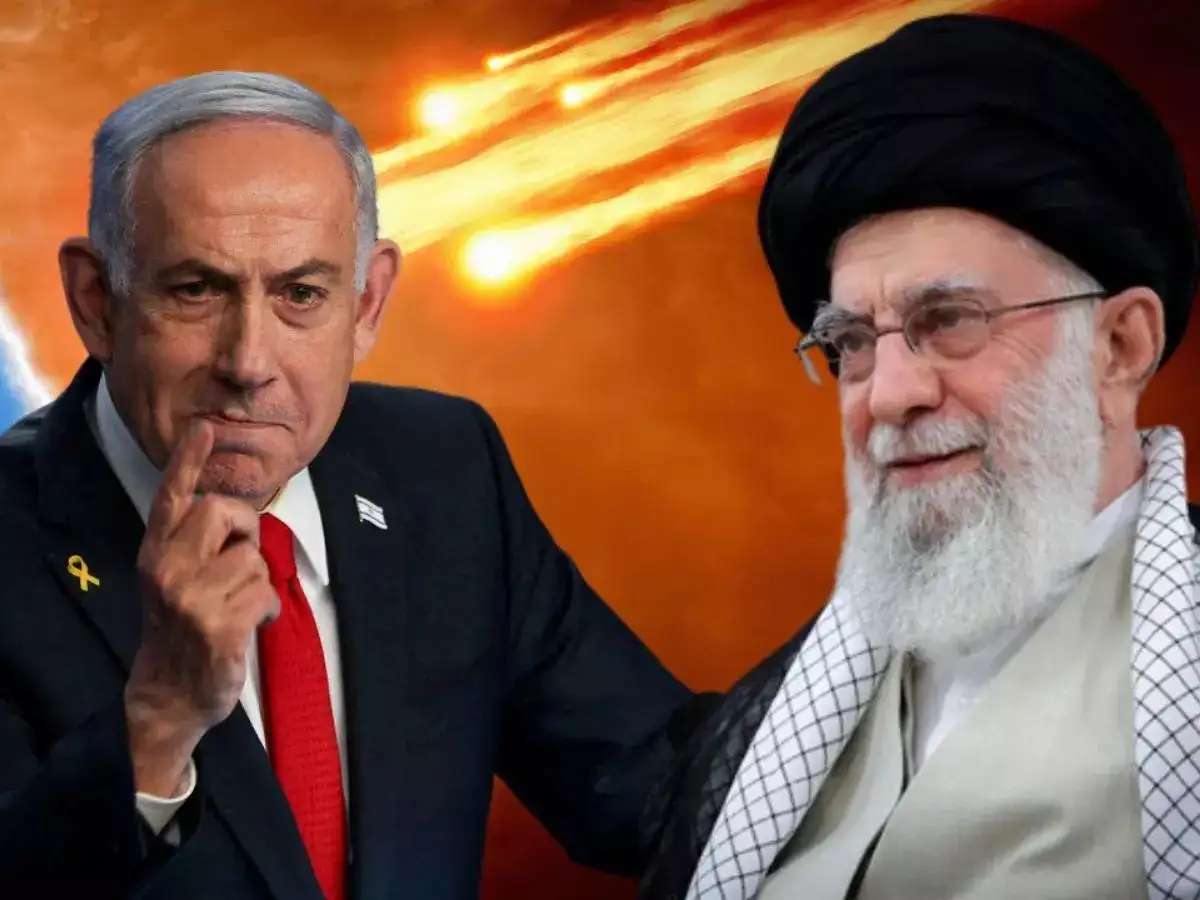
Iran, on Wednesday, shut the Strait of Hormuz following fresh Israeli strikes on Hezbollah targets in Lebanon, raising fears that a fragile ceasefire with the United States could collapse less than a day after it was reached.

The closure comes amid renewed hostilities that have cast doubt over efforts to halt more than a month of fighting. While both Iran and the United States had earlier declared victory after brokering the truce, fresh missile and drone attacks were reported across Iran and parts of the Gulf, alongside intensified Israeli bombardments in Lebanon.

In Beirut, Israeli strikes hit residential and commercial areas without prior warning, leaving at least multiple people dead and many others injured in what has been described as one of the deadliest days of the conflict.

Iranian state media confirmed the closure, with IRNA reporting that the move was taken “in the wake of Israel’s attacks on Lebanon.” The development has heightened concerns over the stability of the ceasefire agreement mediated by the United States.

Authorities in Iran also imposed strict controls on maritime movement in the strategic waterway. Ships near the strait were instructed to seek permission from Sepah, a special operations unit under the Iranian Revolutionary Guard Corps, before passage. A radio message cited by The Wall Street Journal warned that any vessel attempting to cross without approval “will be destroyed.”

Earlier in the day, Iran had indicated a willingness to reopen the strait during the proposed two-week ceasefire, noting this would be done with “coordination with Iran’s Armed Forces and with due consideration of technical limitations.” U.S. officials, meanwhile, said American forces could assist in managing ship traffic, although details remain unclear.

U.S. President Donald Trump also told ABC News he was open to a “joint venture” arrangement with Iran that would involve charging tolls for vessels passing through the strait.

However, reports of ceasefire breaches soon emerged. Pakistani Prime Minister Shehbaz Sharif, who played a role in negotiating the agreement, said on X that violations had already been recorded, further deepening uncertainty over whether the truce will hold.

Continue Reading

Trending