
Voice of Emancipation
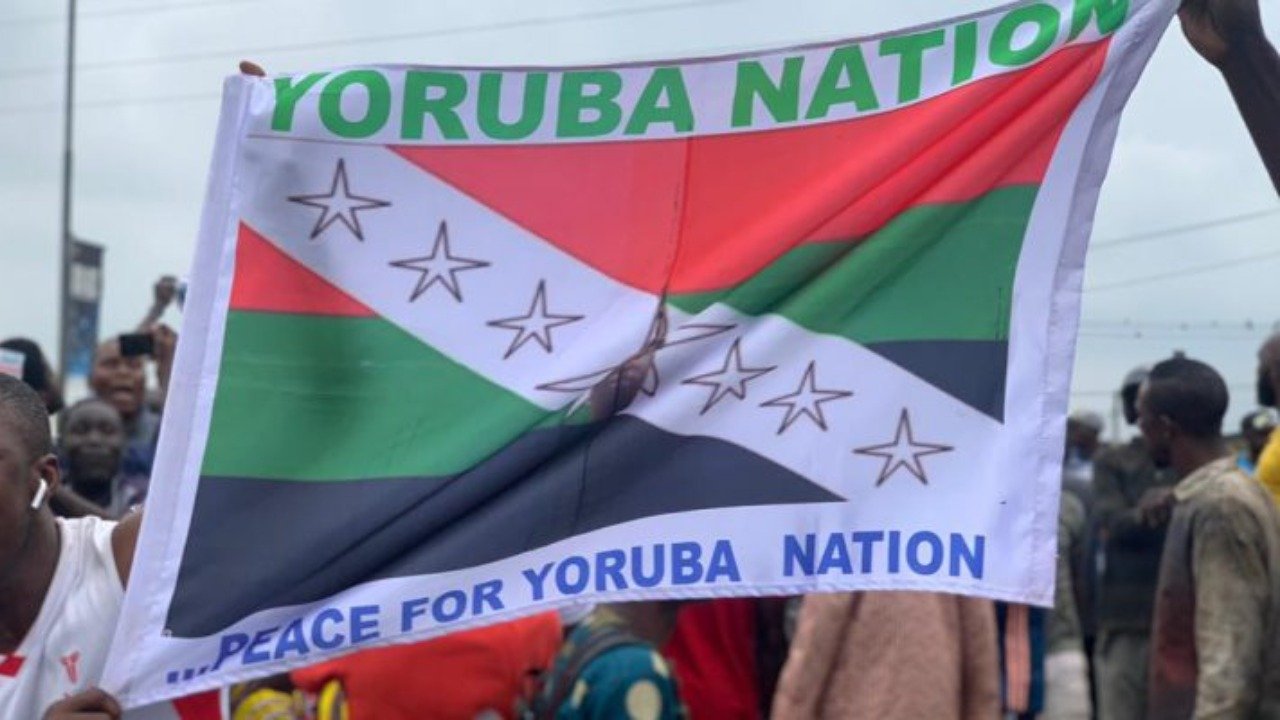
Voice of Emancipation: What We Need to Achieve Yoruba Nation


Voice of Emancipation
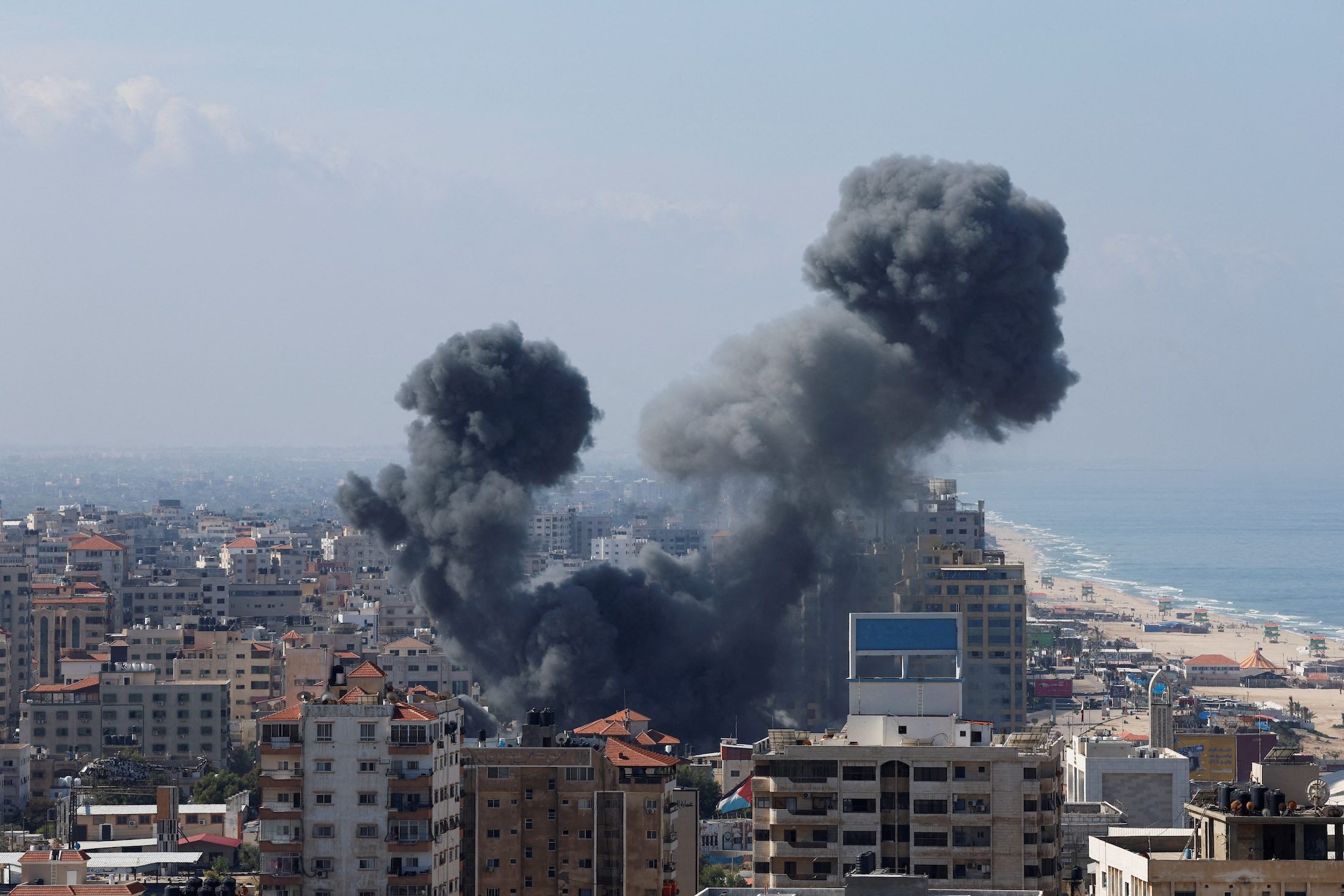
Voice of Emancipation: Jos Killings: Another Harsh Reality of Nigeria’s Insecurity




Opinion10 hours ago
Nation Building Reimagined: Integrated Principles and Strategies for Sustainable Growth

Opinion10 hours ago
Dear CDS, NSA, Your Prodigal Sons, Brothers Have Killed General Braimah

Voice of Emancipation13 hours ago
Voice of Emancipation: Lessons from the Iran/USA War

Opinion14 hours ago
Ovation @30: A Triumph of Vision, Courage and African Excellence

Headline14 hours ago
ADC National Convention: To Be or Not to Be?

World14 hours ago
Israel Questions Pakistan’s Credibility in Mediating over US-Iran Ceasefire Agreement

News14 hours ago
Osun 2026: INEC Planning to Recruit APC Members As Electoral Officials, Lawmakers Allege

News6 days ago
‘ADC Membership Hits 500,000 after INEC Derecognition of Leadership’

World4 days ago
Trump Delays Iran’s Strike by 2-Weeks As Pakistani Leaders Intervene

National4 days ago
FG Expels US Missionary Alex Barber

Featured3 days ago
Benin Republic 2026: Romuald Wadagni, The President in Waiting

Featured5 days ago
ADC Raises Alarm over INEC’s Plot to Prevent Party from Fielding Candidates
News3 days ago
Prominent ADC Leaders Storm INEC Hqrs in Protest Against Dictatorship

World4 days ago
Iran’s Intelligence Chief Killed in US-Israeli Strikes
-
 News6 days ago
‘ADC Membership Hits 500,000 after INEC Derecognition of Leadership’
-
 World4 days ago
Trump Delays Iran’s Strike by 2-Weeks As Pakistani Leaders Intervene
-
 National4 days ago
FG Expels US Missionary Alex Barber
-
 Featured3 days ago
Benin Republic 2026: Romuald Wadagni, The President in Waiting
-
 Featured5 days ago
ADC Raises Alarm over INEC’s Plot to Prevent Party from Fielding Candidates
-
 News3 days ago
Prominent ADC Leaders Storm INEC Hqrs in Protest Against Dictatorship
-
 World4 days ago
Iran’s Intelligence Chief Killed in US-Israeli Strikes
-

 Headline6 days ago
Amnesty Condemns Wike’s ‘Shoot’ Remark Against Seun Okinbaloye