Connect with us

World

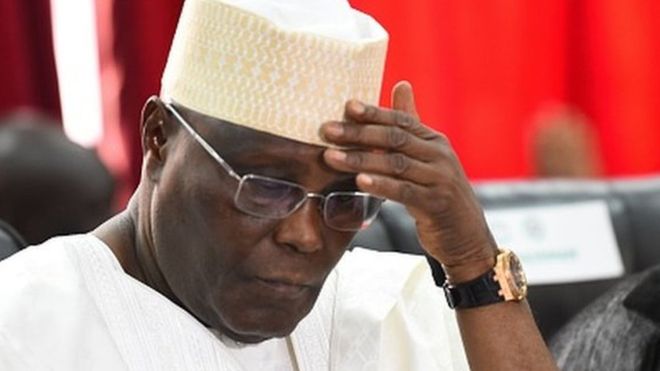
Atiku Begs Aggrieved PDP Members to Return, Says Resignation Personal Decision

Published

on

By Eric Elezuo

The Peoples Democratic Party (PDP), Alhaji Atiku Abubakar, has appealed party members who withdrew their membership of the just constituted Presidential Campaign Council (PCC), saying that the resignation of the party chairman, Iyorchia Ayu, which the aggrieved members are calling for is the prerogative of only the chairman.

The members believed to be loyalists of the governor of Rivers State, Nyesom Wike, had Wednesday morning withdrew their membership of the party council pending when the chairman resigns.

Atiku lamented that the council was constituted after every state, except Rivers has submitted the list of persons they want in the Council, and so do not understand why the decision. He however, added that the PDP would do everything within its power to ensure they return to the

The statment in details:

Let us join hands and move on with the task of nation building.

Early this morning, my attention was drawn to a news clip in which several very senior and influential members of our great party, the Peoples Democratic Party (PDP), addressed the press and, amongst other things, declared that they are withdrawing, forthwith, from the Presidential Campaign Council set up by our party to judiciously plan and prosecute the general elections set to hold in February and March 2023, on the one hand; and reiterated their earlier calls for the resignation or removal from office of the national chairman of our party, Senator Dr. Iyorchia Ayu, on the other hand.

The people that addressed the press must have their reasons for withdrawing from the Presidential Campaign Council, and I will not speculate as to what those reasons may be. Personally, I am quite surprised with this withdrawal because, as I have been informed by officials of our party, apart from the Rivers State chapter of the PDP, all the remaining states of the federation submitted names of people who they wanted included in the Presidential Campaign Council.

On the calls for the resignation or removal from office of our national chairman, however, I must reiterate what I have said severally in public and in private; the decision for Dr. Iyorchia Ayu to resign from office is personal to Dr. Ayu and, neither I nor anyone else can make that decision for him. As to the calls for the removal of Dr. Ayu from office, however, I will state that, as a committed democrat and firm believer in the rule of law and democratic tenets, and our party being one set up, organized and regulated by law and our constitution, it is my absolute belief that every thing that we do in our party must be done in accordance with, and conformity to, the law and our constitution. If Dr. Ayu is to be removed from office, it must be done in accordance with the laws that set out the basis for such removal. In any event, you will all recall that the very body that is empowered by law to initiate this removal from office, has already passed a vote of confidence in him.

Now, our nation is currently in the throes of a multidimensional crisis encompassing insecurity, economic meltdown, disunity and mutual mistrust and educational dislocations, to mention a few. I have a plan to address these issues and I have, graciously, been given the ticket to lead our great party in next year’s presidential elections, with the singular mandate to come and lead the efforts to cure these ills. It is in this light that I have reached out to every single member of our great party to join me in the massive undertaking required to reset the ship of state, and help rebuild our country. Every single person who loves this country, as I do, is needed for the arduous tasks that face us ahead as a nation, and this includes every member of the PDP. And it is my fervent hope and prayer that every man and woman of goodwill will join hands with us to help rebuild and reposition our beloved country. In this light, therefore, I will urge those members of our party that have stated their resolve to withdraw from the Presidential Campaign Council to have a rethink, retrace their steps, and join us in these efforts.

The above notwithstanding, and for the sake of our country, our children, and those yet unborn, we must not, for one minute, shirk in our responsibilities to rebuild this beloved country of ours.

Accordingly, we must forge on with the task and the mandate that we have been bestowed with. It is time, therefore, to move on with the formidable tasks of nation building ahead of us.

May God guide us all, and may God soothe our great party, and our dear country.

Atiku Abubakar (GCON)
Waziri Adamawa
Presidential Candidate of the Peoples Democratic Party.

Continue Reading
Click to comment

Leave a Reply

Your email address will not be published. Required fields are marked *

World

Israel Questions Pakistan’s Credibility in Mediating over US-Iran Ceasefire Agreement

Published

on

By

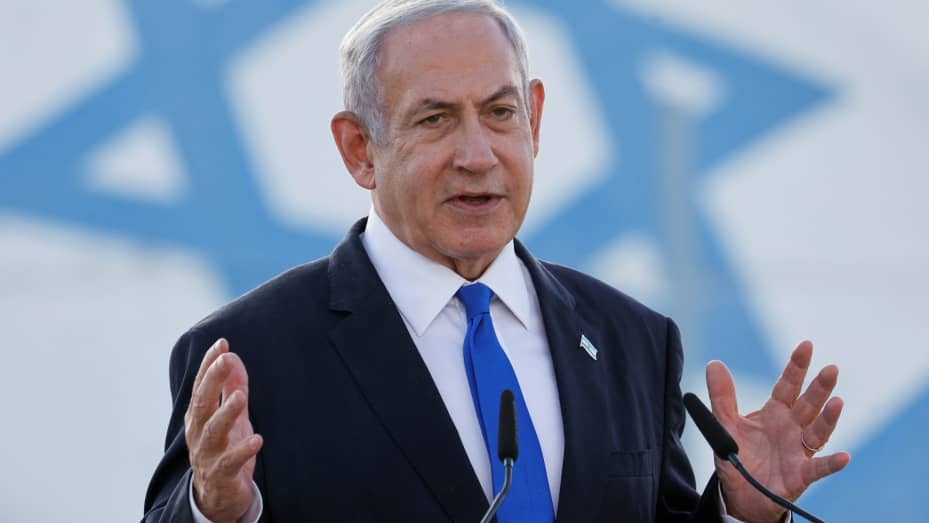
Israel has expressed doubts about Pakistan’s ability to act as a credible mediator in the ongoing Middle East conflict. This comes as diplomatic interactions involving the United States and Pakistan continue, particularly regarding Iran and its allies. Israel’s Ambassador to India, Reuven Azar, made his position clear during a recent statement in New Delhi.

Ambassador Azar articulated that Israel does not recognise Pakistan as a dependable player in mediation. He elaborated that the United States’ decision to engage Pakistan in these diplomatic efforts is driven primarily by its own strategic interests.

During his remarks, Azar addressed the historical context in which the United States has previously involved countries like Qatar and Turkey to facilitate talks aimed at reaching agreements with groups such as Hamas. He indicated that these choices were made for pragmatic reasons rather than based on the reliability of the states involved.

US Strategy Involving Pakistan

The involvement of Pakistan by the United States is reportedly based on specific strategic calculations that align with its broader diplomatic goals in the region. Despite Israel’s scepticism, Washington appears committed to its course of diplomatic engagement, which includes Pakistan as a participant in discussions related to the conflict.

Ambassador Azar also emphasised the importance of coordination with the United States regarding the desired outcomes of these diplomatic efforts. He noted that maintaining alignment with US objectives is crucial for Israel as it navigates the complexities of the ongoing hostilities.

Moreover, Azar’s comments suggest that there is a level of caution within Israel regarding the potential implications of Pakistan’s involvement. The ambassador’s statements reflect a broader perspective among Israeli officials about the challenges of engaging with states that possess varied relationships with groups involved in the conflict.

Regional Implications of Mediation Roles

The rejection of Pakistan as a credible mediator raises questions about the future of diplomatic efforts in the Middle East. As the situation evolves, the roles of various nations in facilitating peace talks will remain under scrutiny. The perspectives of nations like Israel are central to understanding the dynamics of mediation in ongoing conflicts.

Ambassador Azar’s comments may influence how other countries view Pakistan’s involvement. As different nations weigh the potential effectiveness of various mediators, the confidence displayed by Israel could impact international diplomatic discussions going forward.

The current geopolitical landscape is complicated, with alliances and enmities frequently shifting. Israel’s firm stance against Pakistan’s mediation reflects deeper concerns about the reliability of diplomatic partners in a region marked by longstanding tensions and hostilities.

Source: thecsrjournal.in

Continue Reading

World

Mahama, Macron Hold High-Level Bilateral Talks in France

Published

on

By

By Eric Elezuo

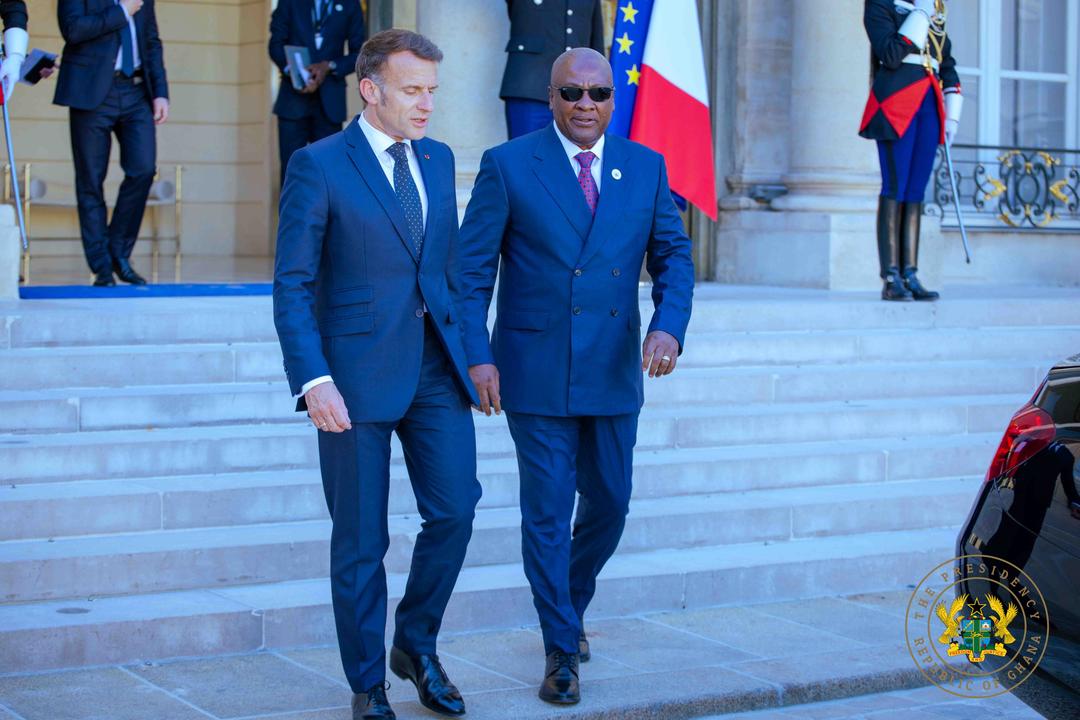
True to his words targeted at reshapening the economic narratives of the people of Ghana, President John Dramani Mahama, has paid a diplomatic and economic visit to France, where he held high level bilateral talks with his counterpart, Mr. Emmanuel Macron.

The Ghana President’s visit corresponds with his intention to maximize his second term in office towards making the Eldorado that it was during his first coming between 2012 and 2016.

The presidency.gov.gh, the authentic platform for activities of President Mahama, captured the visit as follows:

President John Dramani Mahama and his French counterpart, President Emmanuel Macron, held high-level bilateral talks at the Élysée Palace on Wednesday, marking a significant milestone in the deepening diplomatic and economic relationship between Ghana and France.

The meeting, held at the official invitation of President Macron, followed the successful conclusion of the One Health Summit in Lyon, which both leaders co-chaired on Tuesday.

During the deliberations, President Macron expressed his profound gratitude to President Mahama for his leadership in co-chairing the Lyon summit. Highlighting Ghana’s growing influence in global health policy, President Macron announced that Ghana has been selected as the first beneficiary of the newly introduced National Health Compact.

The French leader also lauded the Accra Reset Initiative, an ambitious framework introduced by President Mahama. Macron described the initiative as “very important,” noting that its principles were frequently referenced as a blueprint during the Lyon summit.

For his part, President Mahama expressed his appreciation for the warm reception and the opportunity to co-chair the One Health Summit, noting its critical importance to the World Health Organisation (WHO) and global pandemic preparedness.

On the economic front, President Mahama officially thanked France and China for their pivotal roles in supporting Ghana’s debt restructuring process. He informed President Macron that the Ghanaian economy has shown remarkable resilience, stating that “the economy has bounced back and is doing very well, with very positive indicators.”

The two leaders discussed a broad range of development cooperation, including building on years of support from the French Development Agency (AFD), the Accra-Kumasi Expressway, ensuring food security through year-round farming initiatives, advancing Artificial Intelligence (AI) development and enhancing support for maternal health services.

President Mahama emphasised that the strength of the Ghana-France relationship is rooted in a shared commitment to democracy, the rules-based international system, and global peace.

“Ghana and France stand together on key issues of peace and security”, President Mahama stated, as the two leaders analysed the impact of global conflicts on distant regions and discussed strategies to maintain stability within the West African sub-region.

Prior to arriving at the Élysée Palace, President Mahama and his delegation met with the President of the French Senate
Continue Reading

Middle East

Again, Iran Blocks Strait of Hormuz, Alleges Ceasefire Violation

Published

on

By

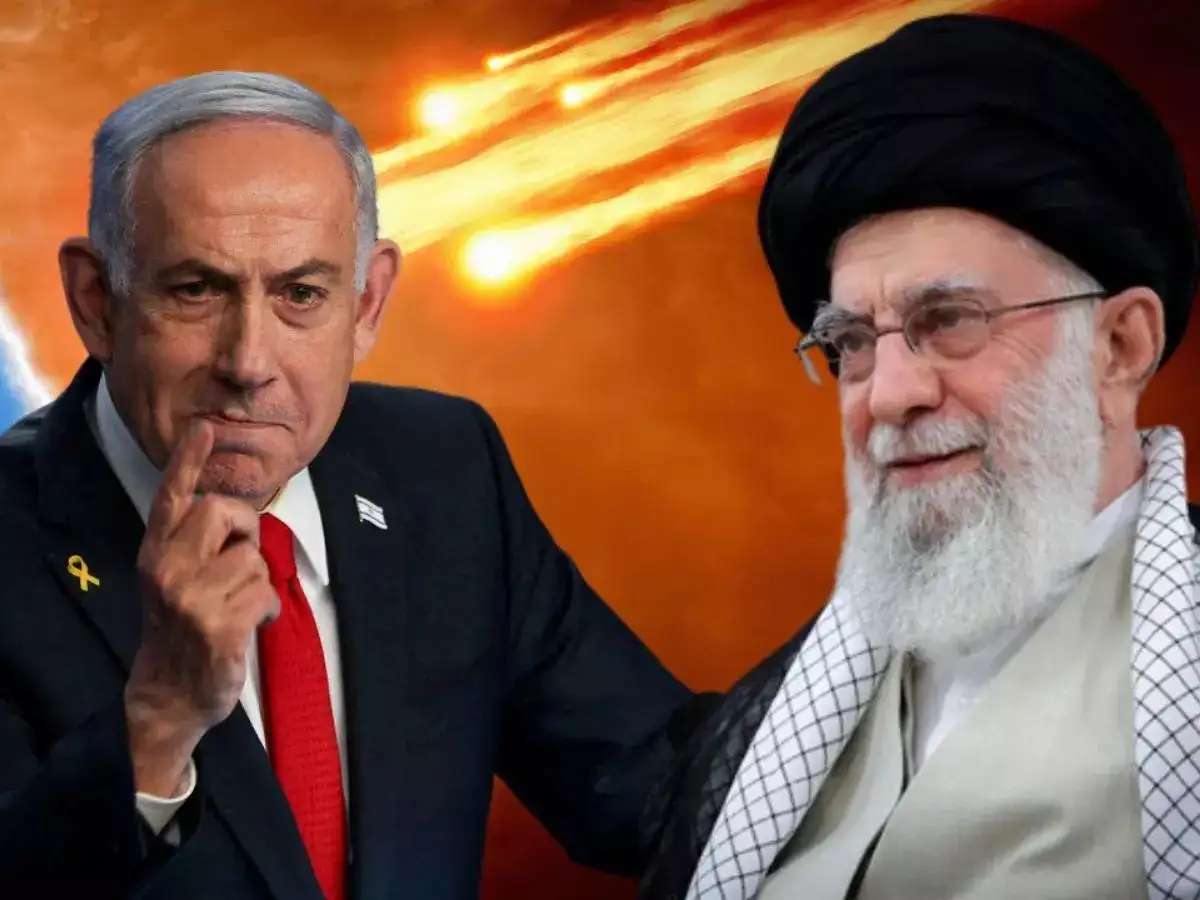
Iran, on Wednesday, shut the Strait of Hormuz following fresh Israeli strikes on Hezbollah targets in Lebanon, raising fears that a fragile ceasefire with the United States could collapse less than a day after it was reached.

The closure comes amid renewed hostilities that have cast doubt over efforts to halt more than a month of fighting. While both Iran and the United States had earlier declared victory after brokering the truce, fresh missile and drone attacks were reported across Iran and parts of the Gulf, alongside intensified Israeli bombardments in Lebanon.

In Beirut, Israeli strikes hit residential and commercial areas without prior warning, leaving at least multiple people dead and many others injured in what has been described as one of the deadliest days of the conflict.

Iranian state media confirmed the closure, with IRNA reporting that the move was taken “in the wake of Israel’s attacks on Lebanon.” The development has heightened concerns over the stability of the ceasefire agreement mediated by the United States.

Authorities in Iran also imposed strict controls on maritime movement in the strategic waterway. Ships near the strait were instructed to seek permission from Sepah, a special operations unit under the Iranian Revolutionary Guard Corps, before passage. A radio message cited by The Wall Street Journal warned that any vessel attempting to cross without approval “will be destroyed.”

Earlier in the day, Iran had indicated a willingness to reopen the strait during the proposed two-week ceasefire, noting this would be done with “coordination with Iran’s Armed Forces and with due consideration of technical limitations.” U.S. officials, meanwhile, said American forces could assist in managing ship traffic, although details remain unclear.

U.S. President Donald Trump also told ABC News he was open to a “joint venture” arrangement with Iran that would involve charging tolls for vessels passing through the strait.

However, reports of ceasefire breaches soon emerged. Pakistani Prime Minister Shehbaz Sharif, who played a role in negotiating the agreement, said on X that violations had already been recorded, further deepening uncertainty over whether the truce will hold.

Continue Reading

Trending