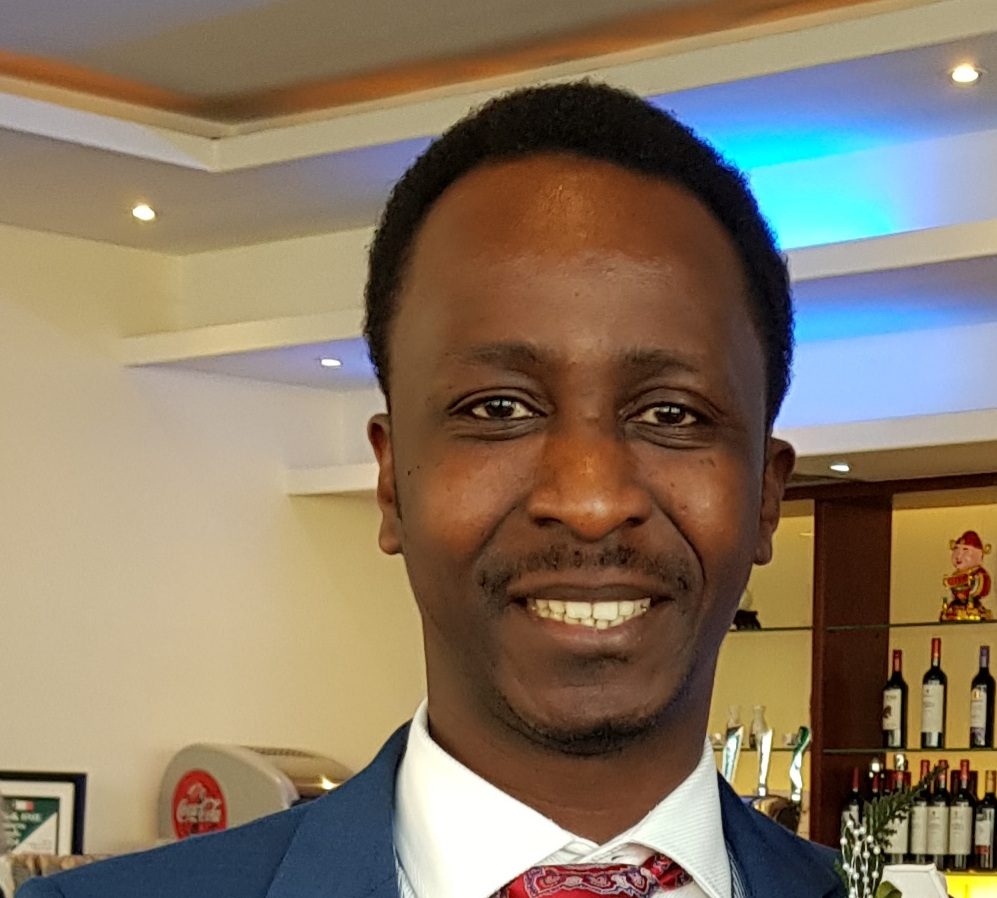
By Tolulope A. Adegoke, PhD
“True leadership awakens the highest in others by first mastering the highest in oneself: it weaves inner clarity with outward vision, human connection with disciplined action, collective harmony with unyielding integrity—transforming individuals, institutions, and societies into their fullest potential.” – Tolulope A. Adegoke, PhD.
Leadership constitutes a pivotal force in human progress, operating as a multifaceted process that shapes personal trajectories, drives organizational excellence, and steers national destinies. Far beyond positional power, it integrates psychological depth, behavioral agility, strategic acumen, relational wisdom, systemic orchestration, and unwavering ethical commitment. The focal dimensions—self-leadership, visionary direction, relational influence, strategic execution, team and systemic alignment, and ethical integrity—serve as enduring pillars, drawn from an evolving synthesis of leadership theories including trait, behavioral, contingency, transformational, servant, authentic, and collective models. These dimensions interact dynamically, adapting to cultural nuances, technological advancements, generational shifts, sustainability demands, and geopolitical complexities in our interconnected era.
This expanded exploration delves profoundly into each dimension, weaving theoretical foundations with practical applications across individuals (peoples), corporations, and nations. It incorporates concrete, globally recognized examples—historical and contemporary—to provide clearer insight, deeper comprehension, and alignment with international standards of scholarship and practice. These illustrations highlight successes, challenges, and transferable lessons, underscoring leadership’s role in fostering resilience, innovation, equity, and sustainable flourishing.
Self-Leadership: The Internal Compass of Personal Mastery and Authenticity
Self-leadership forms the foundational dimension, emphasizing proactive self-direction through heightened self-awareness, emotional regulation, disciplined habits, continuous learning, and resilient agency. Rooted in cognitive-behavioral and positive psychology frameworks, it empowers individuals to align actions with intrinsic values amid external pressures.
For individuals, self-leadership manifests in personal triumphs over adversity. Viktor Frankl, the Austrian psychiatrist and Holocaust survivor, exemplified this during his imprisonment in Nazi concentration camps. Despite unimaginable suffering, Frankl chose his attitude and inner response, maintaining meaning through logotherapy principles and later authoring Man’s Search for Meaning. His practice of finding purpose in suffering demonstrates self-leadership’s power to preserve dignity and agency in extreme conditions.
In corporations, self-leadership scales to executive authenticity and cultural modeling. Leaders who engage in reflective practices—such as executive coaching, mindfulness, and vulnerability—cultivate environments of ownership. Companies like Google have institutionalized self-leadership through programs encouraging personal growth and error reflection, contributing to innovation cultures where employees proactively drive projects.
Nationally, self-leadership appears in statespersons exhibiting moral courage and transparency. Leaders who publicly acknowledge policy shortcomings while pursuing national interests build institutional trust. This dimension supports anti-corruption efforts and civic responsibility in diverse societies, enhancing social capital and intergenerational equity in education, health, and environmental policies.
Visionary Direction: Articulating and Mobilizing Toward Compelling Futures
Visionary direction involves crafting an inspiring, feasible future narrative and aligning resources through foresight, purpose communication, and motivational alignment. It draws from transformational leadership, integrating scenario planning and inspirational rhetoric.
Individuals harness this by defining legacy-oriented missions, channeling energy beyond daily survival toward skill mastery or societal contribution, sustaining motivation through setbacks.
Corporations depend on visionary direction for enduring success. Reed Hastings at Netflix pioneered streaming disruption, envisioning a world where entertainment shifts from physical media to on-demand digital access. By investing boldly in original content and global expansion while phasing out DVD rentals, Hastings aligned the company with technological inevitability, transforming it from a mail-order service into a dominant entertainment platform.
At the national level, visionary direction shapes long-term policy architectures. Jacinda Ardern, former Prime Minister of New Zealand, articulated a compassionate, science-driven vision during the COVID-19 pandemic, emphasizing “team of five million” unity, rapid border closures, and clear communication. This foresight enabled effective containment, economic safeguards, and high public trust, illustrating how inclusive national narratives mobilize cross-generational coalitions amid global crises.
Relational Influence: Building Trust, Empathy, and Inclusive Connections
Relational influence prioritizes authentic bonds through emotional intelligence, active listening, empathy, and mutual empowerment. Grounded in leader-member exchange and relational theories, it transforms interactions into collaborative partnerships.
Individuals apply this in nurturing supportive networks—family, mentorships, communities—that enhance well-being and collective efficacy.
In corporations, relational leadership fosters inclusive, innovative cultures. Satya Nadella at Microsoft shifted from a competitive to a collaborative ethos, emphasizing empathy, growth mindset, and cross-functional dialogue. By modeling vulnerability (sharing personal stories of his child’s disability) and empowering teams, Nadella revitalized innovation, boosted employee engagement, and drove market resurgence.
Nationally, relational influence bridges societal divides. Leaders who facilitate inclusive dialogue and empathetic policymaking reduce polarization. In multicultural or federal contexts, this strengthens democratic legitimacy and crisis coordination, building social capital vital for equitable reforms.
Strategic Execution: Adaptive Implementation and Problem-Solving Under Uncertainty
Strategic execution demands rigorous analysis, decisive action, resource optimization, and iterative adaptation. Informed by contingency and situational models, it balances efficiency with flexibility.
Individuals exercise this in career navigation or personal crises, converting obstacles into advancement.
Corporations require strategic execution for resilience. During Boeing’s 737 MAX crises, leadership (post-2019) executed comprehensive safety overhauls, MCAS redesigns, regulatory cooperation, and cultural reforms—demonstrating calibrated response to regain certification and stakeholder confidence.
Nationally, this dimension drives governance efficacy. New Zealand’s Ardern again exemplified execution during COVID-19 through evidence-based lockdowns, testing scaling, and adaptive economic support, minimizing health and economic damage while maintaining public adherence.
Team and Systemic Alignment: Orchestrating Cohesion and Interdependent Success
This dimension empowers others, clarifies interdependencies, and aligns efforts via distributed leadership models, viewing outcomes as networked rather than hierarchical.
Individuals contribute through meaningful delegation and peer mentoring.
Corporations build high-performing ecosystems by dismantling silos and integrating functions. Relational approaches, as seen in collaborative cultures at companies emphasizing team empowerment, enhance knowledge flow and adaptability in global operations.
Nationally, alignment harmonizes institutions and partnerships. Effective leaders empower subnational entities while ensuring coherent direction, facilitating seamless development and crisis responses in federated or diverse systems.
Ethical Integrity: The Moral Anchor of Accountability and Sustainability
Ethical integrity demands principled consistency, transparency, stakeholder protection, and long-term orientation. Drawing from servant and authentic paradigms, it safeguards trust across all endeavors.
Individuals uphold personal codes resisting expediency.
Corporations embed integrity through governance and stakeholder focus. Johnson & Johnson’s 1982 Tylenol crisis response—swift nationwide recall, transparent communication, and tamper-proof packaging redesign—exemplified ethical prioritization of public safety over short-term profit, restoring trust and setting industry standards.
Nationally, ethical leadership combats corruption and upholds rule of law. Leaders modeling public-interest primacy enhance credibility, investment attraction, and civic virtue diffusion.
Interconnections, Global Relevance, and Pathways Forward
These dimensions interlink synergistically: self-leadership informs visionary clarity, relational trust enables execution, systemic alignment reinforces ethics. Cross-level synergies create virtuous cycles—personal mastery informs corporate innovation, which shapes national resilience.
In today’s context—AI integration, climate urgency, demographic changes, multipolar dynamics—hybrid, culturally intelligent leadership prevails. Measurement via assessments, scorecards, and indices supports development through mentorship, academies, and experiential programs.
Conclusion: Leadership as Catalyst for Interdependent Flourishing
The focal dimensions offer a timeless, adaptable framework elevating individuals to fulfillment, corporations to prosperity, and nations to inclusive progress. Through global examples—from Frankl’s resilience and Hastings’ disruption to Ardern’s empathy and Johnson & Johnson’s integrity—leadership demonstrates profound impact when harmonized with authenticity and service. Investing in these dimensions equips stakeholders to navigate complexity, fostering legacies of resilience, equity, and shared well-being across borders and generations in our interdependent world.
Dr. Tolulope A. Adegoke, AMBP-UN is a globally recognized scholar-practitioner and thought leader at the nexus of security, governance, and strategic leadership. His mission is dedicated to advancing ethical governance, strategic human capital development, and resilient nation-building, and global peace. He can be reached via: tolulopeadegoke01@gmail.com, globalstageimpacts@gmail.com










 Boss Of The Week5 days ago