
Business
Tony Elumelu’s Heirs Holdings Makes Ambitious Move Into Oil And Gas

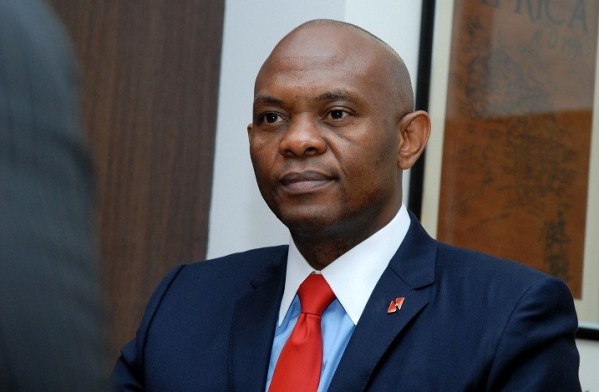







News48 minutes ago
Jigawa ADC Receives Defecters from APC, NNPP, PDP

Featured7 hours ago
I Won’t Be Intimidated, Seun Okinbaloye Replies Wike

Headline8 hours ago
Amnesty Condemns Wike’s ‘Shoot’ Remark Against Seun Okinbaloye

News9 hours ago
‘ADC Membership Hits 500,000 after INEC Derecognition of Leadership’

Headline1 day ago
Is Amupitan’s INEC Complicit?

Opinion2 days ago
Effective Strategic Leadership: Resolving Nigeria’s Contemporary Challenges and Unlocking Inclusive Possibilities

Boss Of The Week2 days ago
Evangelist Ebenezer Obey: Celebrating a Music Maestro at 84

Headline5 days ago
Bauchi Gov Bala Mohammed Signals Possible Defection to ADC

Tech and Humanity3 days ago
When Anthropic Accidentally Opened Its Own Vault: The Claude Code Leak of March 31, 2026
Opinion2 days ago
Effective Strategic Leadership: Resolving Nigeria’s Contemporary Challenges and Unlocking Inclusive Possibilities
Headline5 days ago
ADC Rejects INEC’s Interpretation of Court of Appeal Ruling

Headline4 days ago
This Attack on Democracy Will Not Stand – ADC Chairman, David Mark

The Oracle2 days ago
The Oracle: The New Digital Colonialism: Navigating AI Policy Under Foreign Tech Dominance (Pt. 5)

Entertainment3 days ago
Joeboy Stars on Easter Edition of Glo-Powered African Voices
-
 Headline5 days ago
Bauchi Gov Bala Mohammed Signals Possible Defection to ADC
-
 Tech and Humanity3 days ago
When Anthropic Accidentally Opened Its Own Vault: The Claude Code Leak of March 31, 2026
-
 Opinion2 days ago
Effective Strategic Leadership: Resolving Nigeria’s Contemporary Challenges and Unlocking Inclusive Possibilities
-
 Headline5 days ago
ADC Rejects INEC’s Interpretation of Court of Appeal Ruling
-
 Headline4 days ago
This Attack on Democracy Will Not Stand – ADC Chairman, David Mark
-
 The Oracle2 days ago
The Oracle: The New Digital Colonialism: Navigating AI Policy Under Foreign Tech Dominance (Pt. 5)
-
 Entertainment3 days ago
Joeboy Stars on Easter Edition of Glo-Powered African Voices
-

 Featured3 days ago
Gov Adeleke Commends MicCom Legacy As Family Launches N150m Engineering Endowment at OAU