Connect with us

Featured

Orbih Feeds, Empowers Thousands, Says ‘Food Gets Sweeter When You Know Your Neighbour is Also Eating’

Published

on

In Ogbona, Etsako Central local government area of Edo state, if there is anything the indigenous people of that community look forward to every yuletide season is the provision of rice, cash gift, and other empowerment that one of their illustrious sons fetes them with annually.

For the donor, a philanthropist per excellence, Chief Dr. Dan Osi Orbih, the National Vice Chairman, South-South of the Peoples Democratic Party, PDP, ensuring that his people have food to celebrate Christmas with is the only way that he could have rest of mind.

Orbih, who spoke with Truthlive.net after the annual event, asserted that giving to the downtrodden has been the only way he finds peace of mind and this empowerment program has become a part of his life.

He said: “The food is sweeter if you know your next-door neighbour is also eating and not starving”. The former Chairman of the Edo State Chapter of the PDP has continuously and consistently carryout this empowerment program for over a decade.

According to the Esama of Uromi; “I have done this for over 10 years and it is the spirit of the season and what the Holy Book teaches.

“You can recall in the Bible, that the greatest MASTER, JESUS CHRIST was uncomfortable sending people who came to listen to his teachings away without thinking about how to share the little available and if you read the Gospel according to St Matthew, 14: 13- 21, you will understand that the Miracle of the five loaves and two fish” is instructive and motivating”.

Fulfilling the words of Charles Dickens, an English writer, and social critic, which says; “No one is useless in this world who lightens the burdens of another.” Dr. Orbih opined; “NEVER Say it is too small and refuse to share”.

Apart from the over a thousand women who took home bags of rice, many other young men and youths also got empowered with Tricycles, motorbikes, Textile material, (wrappers), and cash gifts.

Chief Orbih has had no political ambition for the last ten years but yet embarked on the charitable project, putting smiles on people’s faces, establishing family men and women without taking anything from them in return, thereby making him an example of the words of a puritanical preacher and writer, John Bunyan who said in one of his numerous books;  “You have not lived today until you have done something for someone who can never repay you.”

No description available.

As the people of Ogbona, Fuga, and other adjoining communities in Etsako central smiled home that day with their bags of rice, cash gifts, motorbikes, and tricycles, prayers were continuously said for Chief Dan Orbih, for him to grow from grace to grace.
Continue Reading
Click to comment

Leave a Reply

Your email address will not be published. Required fields are marked *

Featured

Nigeria Needs More Taxpayers, Not Higher Taxes, Says Finance Minister Taiwo Oyedele

Published

on

By

The Minister of Finance and Coordinating Minister of the Economy, Taiwo Oyedele, on Thursday said Nigeria’s revenue challenge lies in expanding the tax net rather than increasing tax rates, stressing that the country needs more taxpayers, not higher taxes.

Oyedele spoke in Abuja while receiving the leadership of the Chartered Institute of Taxation of Nigeria during a courtesy visit to the Federal Ministry of Finance at the end of the Institute’s maiden National Tax Awareness Day, which featured a road walk and taxpayer sensitisation at Wuse Market as well as a visit to the headquarters of the Nigerian Revenue Service.

The awareness campaign coincided with one year since President Bola Tinubu signed Nigeria’s landmark Tax Reform Acts into law on June 26, 2025.

Commending the Institute for supporting the Federal Government’s tax reform agenda, Oyedele said public misunderstanding of taxation remained one of the biggest obstacles to improving compliance. According to him, many Nigerians still believe that whenever the government talks about taxation, it is simply seeking to collect more money from citizens.

“We are still not getting enough revenue from taxes; it is not about increasing taxes, but making sure that those who are supposed to pay taxes pay.

We want to promote fairness in tax administration,” he said.

The minister added that getting Nigeria’s tax system right would have a transformative impact on national development. He also urged the Institute to establish annual awards to recognise the country’s most compliant taxpayers as a way of encouraging voluntary tax compliance.

Earlier, the tax awareness campaign commenced at Wuse Market, where the 17th President of the Chartered Institute of Taxation of Nigeria, Innocent Ohagwa, said the initiative was introduced to bridge the information gap surrounding the country’s tax reforms and improve voluntary compliance.

He explained that although the reforms had been in force for one year, many Nigerians were still uncertain about the changes and how they would affect businesses and individuals.

“The laws have been signed, implementation has begun, yet many taxpayers and stakeholders are still grappling with what has changed, what remains the same, and how these provisions affect their businesses and personal affairs,” he said.

According to Ohagwa, widespread misconceptions have continued to fuel anxiety, with some people believing the reforms introduced new taxes across all aspects of economic activity, while others assume they were designed solely to raise government revenue.

He, however, said the reforms contain significant reliefs and incentives for both individuals and businesses. Among the benefits, he said, individuals can now claim rent relief of up to 20 per cent of annual rent paid, subject to a maximum of N500,000, while essential goods and services, including food, education, healthcare, electricity transmission, and non-oil exports, now enjoy zero-rated Value Added Tax treatment.

He added that compensation for loss of employment or personal injury now attracts higher tax exemption thresholds. For businesses, Ohagwa said companies with annual turnover not exceeding N100m and fixed assets of not more than N250m are exempt from Companies Income Tax, Capital Gains Tax, and the Development Levy.

“This means thousands of small businesses can now reinvest in growth, job creation, and innovation,” he said.

He added that targeted tax incentives had also been introduced for agriculture, aquaculture, dairy production, cocoa processing, and animal feed manufacturing, while eligible investors could benefit from tax credits under the Economic Development Incentive.

Despite the incentives, the CITN president reminded taxpayers that compliance remained a legal obligation.

“Compliance is not a burden; it is a civic duty. It is our collective contribution to nation-building. And taxation works best when there is trust — taxpayers must fulfil their obligations, while the government must uphold accountability, transparency and the effective use of public resources,” he said.

He urged traders, entrepreneurs, and business owners to obtain Tax Identification Numbers, keep proper records, file accurate returns on time, and seek professional guidance from the Nigerian Revenue Service, the FCT Internal Revenue Service, or members of the Institute whenever necessary.

Explaining the rationale for the awareness campaign, Ohagwa said the Institute approved an annual National Tax Awareness Day after observing that many Nigerians remained uninformed about the reforms despite ongoing sensitisation.

He said Wuse Market was deliberately chosen because it represented one of the country’s key grassroots commercial hubs where taxpayer education was most needed, adding that the campaign was held in June because it coincides with the peak filing period for many corporate taxpayers.

After the market sensitisation, the CITN delegation proceeded to the headquarters of the Nigerian Revenue Service, where both organisations reaffirmed their commitment to strengthening tax awareness, voluntary compliance, and the implementation of Nigeria’s tax reforms.

Receiving the delegation on behalf of the Executive Chairman of the NRS, Dr Zacch Adedeji, the Executive Director, Finance and Corporate Services, Mohammed Abubakar, described the occasion as significant because it marked one year since the signing of the country’s landmark tax reform legislation.

“That historic milestone signalled the beginning of a new era in Nigeria’s tax administration, one anchored on simplicity, fairness, transparency, efficiency, and service delivery,” he said.

According to Abubakar, the reforms are intended to build a tax administration system that is trusted, technology-driven, and responsive to the needs of taxpayers and businesses.

He added that sustainable revenue mobilisation depends not only on enforcement but also on public awareness and confidence in tax institutions. “Taxpayers are more likely to comply when they understand their obligations, appreciate the value of taxation and have confidence in the institutions administering our tax laws,” he said.

The visit also highlighted the Service’s digital transformation agenda, with officials pointing to initiatives such as Rev360 and other technology-driven platforms aimed at delivering more efficient tax administration.

Also speaking, the Group Director, Medium Tax Group, Dr Gbenga Daniel, said the NRS would continue collaborating with professional bodies to deepen taxpayer education and improve service delivery.

“The Nigerian Revenue Service values its longstanding partnership with CITN. Together, our institutions share a common vision of improving tax administration and fostering voluntary compliance for national development,” he said.

The reception brought together Executive Directors of the NRS, members of the CITN Governing Council, senior management staff, tax professionals, and industry stakeholders before the delegation proceeded to the Federal Ministry of Finance for the courtesy visit, where Oyedele urged Nigerians to embrace the country’s evolving tax system through greater compliance rather than misconceptions about higher taxation.

In June 2025, President Bola Tinubu signed four sweeping tax reform bills into law, including the Nigeria Tax Act and related statutes that together overhaul decades-old tax statutes and modernise the country’s tax system.

The Punch

Continue Reading

Featured

Hardship: Remi Tinubu Asks Poor Nigerians to Start Akara, Roasted Corn Business

Published

on

By

Wife of the President, Senator Remi Tinubu, has urged economically disadvantaged Nigerians to consider small businesses such as selling akara, roasted corn and kulikuli as viable sources of income, saying they require little capital to start and can help families cope with the country’s economic challenges.

She gave the advice after hosting the wives of the 36 state governors in Abuja, where she highlighted empowerment programmes and financial support provided through her office to assist vulnerable Nigerians.

According to the First Lady, her interventions are centred on providing grants rather than loans to enable beneficiaries to establish small-scale businesses without the burden of repayment.

“We’re trying to give hope, and to start an akara business doesn’t take a lot of money. To start roasting corn… somebody even said about grants, you see, they’re saying that kulikuli doesn’t take much. We didn’t give them a loan; we gave it to them as a grant,” she said.

Senator Tinubu said her office has continued to support Nigerians through various empowerment initiatives designed to improve livelihoods and promote self-reliance.

“So we’ve encouraged Nigerians as best as we could. What is within our hands, I have given, and I keep giving, and those are the things we’ve done,” she added.

The First Lady also outlined some of the financial interventions she has personally supported, including ₦2 billion for tuberculosis treatment, N1 billion for breast cancer interventions and N500 million to address food malnutrition.

“I remember giving for TB when I heard there’s so much TB cases, I gave two billion (naira). To breast cancer, I gave a billion (naira). To food malnutrition, I gave half a billion (naira),” she said.

She added that her office has also supported programmes in agriculture, education, social investment and digital skills development, including scholarships and ICT training in collaboration with the National Information Technology Development Agency (NITDA).

According to her, the interventions are intended to complement the Federal Government’s efforts to improve the welfare of citizens and create more economic opportunities.

Senator Tinubu also appealed to Nigerians not to lose hope despite the country’s economic difficulties, arguing that negative narratives have worsened public anxiety.

“The narrative has really changed. The average man is supposed to have hope. So I like the idea that Mr. President said this is the Renewed Hope Agenda.

“We have to renew our hope. They don’t give up. We’re a very proud nation,” she said.

Continue Reading

Featured

Don’t Vote for Me If I Fail to Fix Power Comment: Onanuga Claims Tinubu Was Quoted Out of Context
Published

on

By

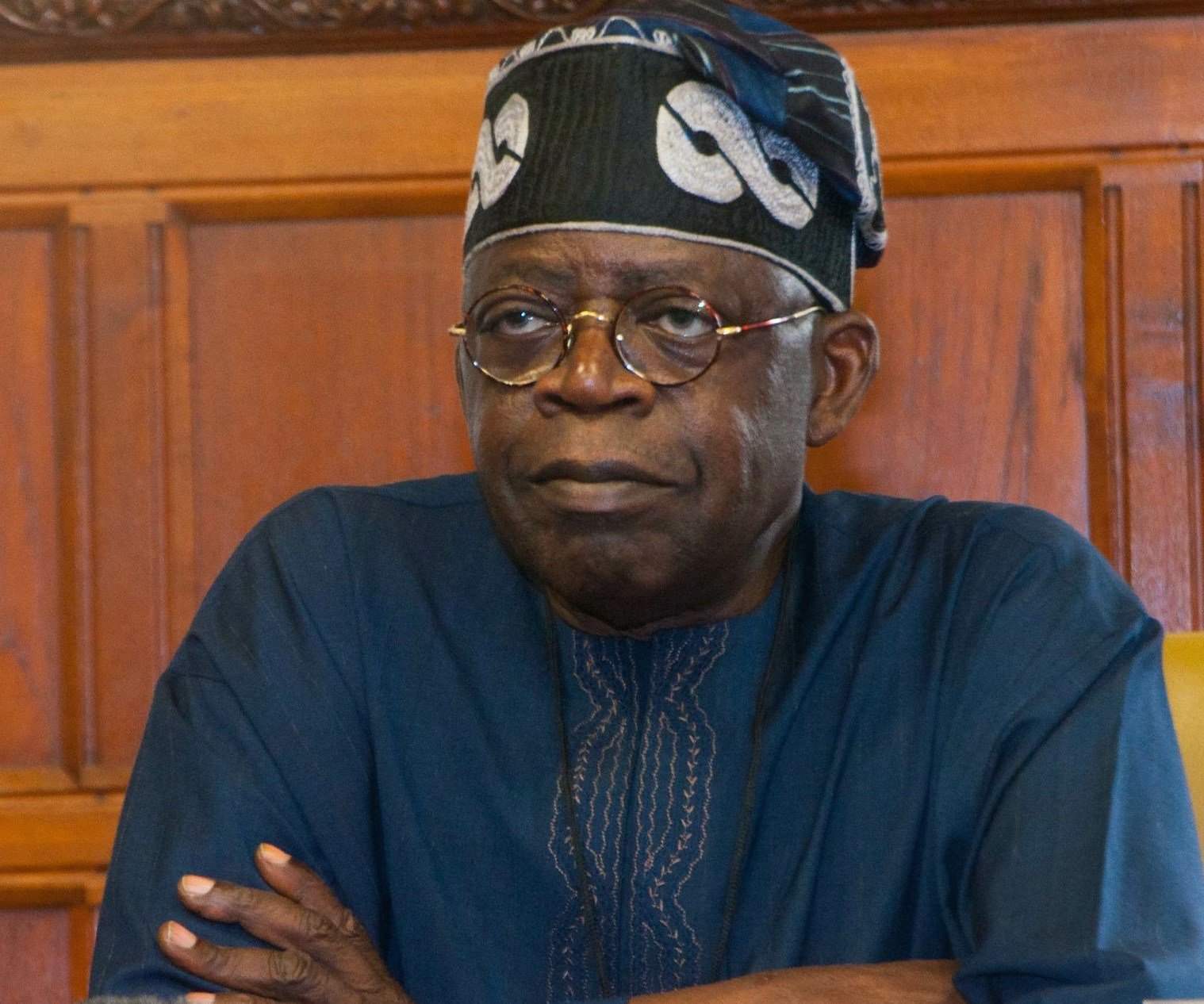
Special Adviser to President Bola Tinubu on Media and Publicity, Bayo Onanuga, has described as ‘out of context’ the assertion that President Bola Tinubu told Nigerians he would not seek re-election if he failed to provide constant power supply for the citizens.

Onanuga dismissed the claims which have recently resurfaced in many circles, and explained that the statement credited to the president was conditional, and not an outright pledge.

Onanuga spoke during an interview on Arise News on Tuesday, where he further insisted that the President’s remarks on power sector reforms had been misrepresented, as it was not an outright pledge to forgo a second term.

Reports had quoted Tinubu during a business luncheon in December 2022 ahead of the 2023 presidential election, to have said: “If I don’t give you constant electricity for four years, when I come back for a second term, don’t vote for me.”

But the presidential aide argued that critics often quote only a portion of the President’s remarks while ignoring the context in which they were made.

Asked whether the President had promised not to seek re-election if the electricity supply did not improve dramatically, Onanuga said: “That is not exactly what he said. He said he will give Nigerians power. I’m paraphrasing now. He said he will also will end the area of estimated billing. A problem that he has largely solved because it should not be his business, but his government is producing meters, asking the DISCOS to give people meters free of charge.

“And he said, if by any chance he has reasons not to give Nigerians adequate power, then they should understand the problem that he inherited.”

When he was told that the President said he should not be reelected if the electricity supply did not improve, Onanuga said, “He didn’t say that way. Let me see if I can open my phone and tell exactly what he said.”

Onanuga argued that Tinubu had demonstrated commitment to power sector reforms since assuming office, citing the signing of the Electricity Act as one of the administration’s major achievements.

“The first thing he did when he came to office was sign the Electricity Act, which enables states to generate power, transmit power and distribute power,” he said.

The presidential spokesman noted that the legislation has opened up the electricity sector and encouraged competition, with several states already taking advantage of the opportunities created by the law.

“That is a good thing. Some of the states are taking advantage of that, and more are going to do so. That will make the electricity sector open and competitive,” he added.

The presidential spokesman also pointed to efforts by the administration to address the metering gap across the country, saying the government had intervened to ensure more Nigerians receive meters free of charge.

“He also learnt the error of estimated billing, a problem that his government is largely solving because the government is producing meters and asking distribution companies to give people free of charge,” Onanuga said.

While acknowledging that electricity supply has yet to reach the level envisioned by the President, Onanuga attributed the challenge to long-standing structural problems in the sector.

“We are not at the level that the President meant it. I can tell you that,” he said.

He explained that although Nigeria has an installed generation capacity of about 13,500 megawatts, constraints such as gas shortages, legacy debts and weak transmission infrastructure have limited performance.

“What people don’t know is that we already have an installed capacity of 13,500 megawatts. What are the problems? No gas. The players in the sector owe the gas companies legacy debts of over four trillion naira,” he said.

According to Onanuga, the Tinubu administration is working to resolve these issues while pursuing reforms aimed at improving generation and transmission capacity.

“The transmission grid is outdated, but that is part of the reforms that need to be put in place,” he said.

He added that the government was exploring additional initiatives to optimise existing power assets and improve electricity delivery across the country.

Onanuga maintained that despite the challenges, the administration remains committed to delivering on its promise of improving electricity supply and strengthening the nation’s power sector.

Continue Reading

Trending
