
Featured
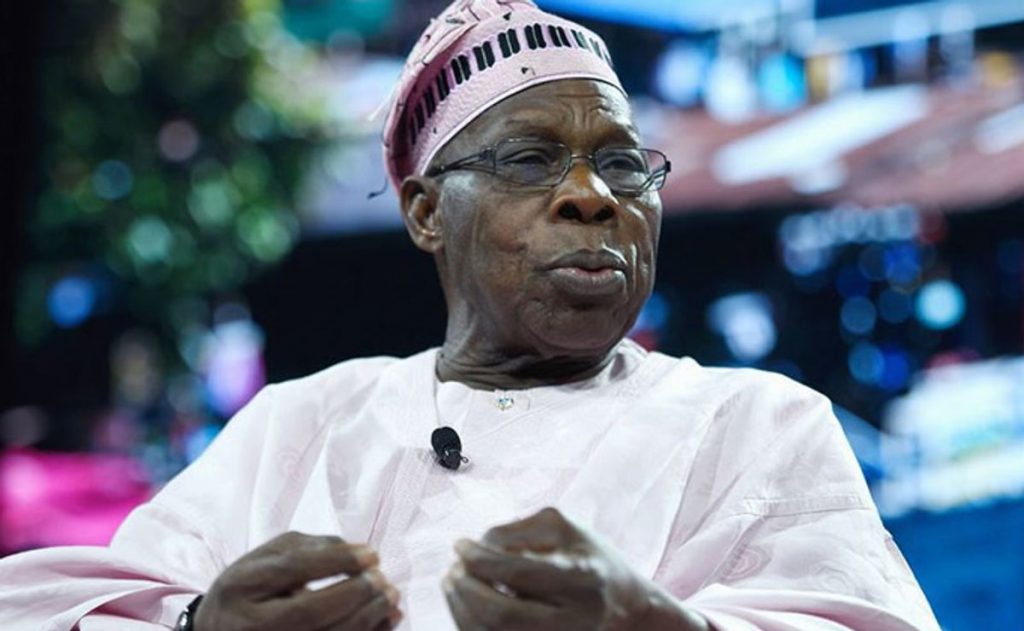
Nigeria, a Land Flowing with Bitterness and Sadness – Obasanjo









Economy4 hours ago
World Bank Okays $1.25bn Loan for Nigeria, Unveils 6-Year Growth Strategy

Boss Picks9 hours ago
Glo Celebrates Executive Director, Sade Michael-Adenuga at 31

Featured10 hours ago
UBA Reinforces Commitment to Rewarding Customer-Loyalty with N400m Bonus

National11 hours ago
Finance Minister Oyedele Defends Tinubu’s Borrowings, Says ‘It’s Not Immoral’

Featured12 hours ago
Dele Momodu Leadership Centre Hosts Media Scholar, Prof Abiodun Adeniyi

News12 hours ago
FG Anounces Major Overhaul in Education Sector, to Scrap JSS, SSS Structure

Featured12 hours ago
Lagos Govt Sues for Calm As Flood Ravages City, Okays Dredging of 28 Channels

World4 days ago
Trump Declares Trade War on Nations Imposing Digital Tax on US Tech Firms

Tech and Humanity4 days ago
The Dreams That Died, and the Son Who Was Worth More Than All of Them

Opinion4 days ago
Elevating Societies: Leadership As Enduring Bridge from Ruler-ship to Generational Prosperity

Featured4 days ago
Hardship: Remi Tinubu Asks Poor Nigerians to Start Akara, Roasted Corn Business

National6 days ago
FG Seeks Foreign Collaboration to Rescue Abducted Oyo Pupils, Teachers

National3 days ago
How GLO’s Customer-Centred Innovations’ Keeping Nigerians Connected to the 2026 FIFA World Cup

National3 days ago
2027: ADC Slams Court Ruling on NDC as Assault on Democracy
-
 World4 days ago
Trump Declares Trade War on Nations Imposing Digital Tax on US Tech Firms
-
 Tech and Humanity4 days ago
The Dreams That Died, and the Son Who Was Worth More Than All of Them
-
 Opinion4 days ago
Elevating Societies: Leadership As Enduring Bridge from Ruler-ship to Generational Prosperity
-
 Featured4 days ago
Hardship: Remi Tinubu Asks Poor Nigerians to Start Akara, Roasted Corn Business
-
 National6 days ago
FG Seeks Foreign Collaboration to Rescue Abducted Oyo Pupils, Teachers
-
 National3 days ago
How GLO’s Customer-Centred Innovations’ Keeping Nigerians Connected to the 2026 FIFA World Cup
-
 National3 days ago
2027: ADC Slams Court Ruling on NDC as Assault on Democracy
-

 Headline4 days ago
NDC Rejects Court Ruling on Party’s Registration, Heads to Appeal Court