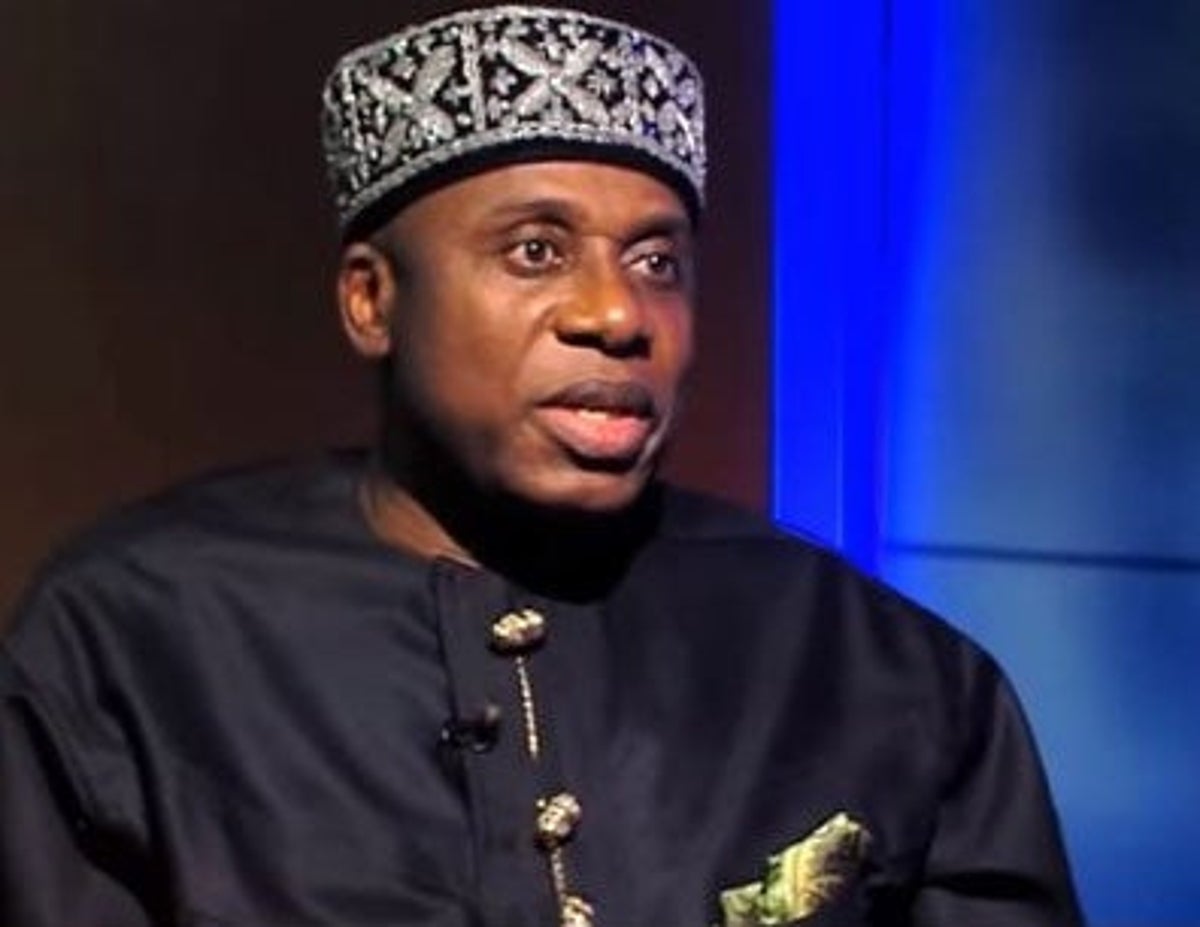
By Dr. Sani Sa’idu Baba
In medicine, oxygen is the invisible molecule upon which all human life depends. Remove it, and the body shuts down almost instantly. The brain weakens, the heart struggles, and every organ begins to fail. As someone who studies how the human body works, I have always understood the centrality of oxygen to biological existence. But in recent years, watching Nigerian society evolve in the digital age, I have arrived at another conclusion: connectivity has become the oxygen of modern civilisation.
Without network connectivity today, businesses freeze, students lose access to learning, hospital records fall into jeopardy, POS transactions struggle, markets slow down, and families become disconnected. Digital access is no longer a luxury; it is the infrastructure upon which modern life breathes.
And in Nigeria, one network increasingly stands out as the supplier of that digital oxygen: GLO.
Across campuses, markets, offices, villages, and urban centres, millions of Nigerians now depend on the Glo network for the daily rhythm of their lives. For students, it powers e-learning, research databases, virtual classrooms, and academic collaboration. For traders and entrepreneurs, it sustains mobile banking, online transactions, advertising, and customer communication. For farmers in rural communities, it ensures communication with farmland workers. For doctors and healthcare professionals, it enables telemedicine and rapid information exchange. In many homes, Glo is the invisible bridge connecting families separated by distance.
This is why many Nigerians increasingly describe Glo not merely as a telecom company, but as a necessity.
What is even more fascinating is the growing public confidence in Glo’s reliability, something I have personally witnessed. I recently observed a man asking a shop attendant to call his boss. After placing the call once, the attendant calmly replied, “Sir, his phone is switched off.” The man insisted he should call repeatedly before concluding. The attendant smiled and responded, “Sir, I am using Glo network. If Glo says the phone is unavailable, then it is unavailable.” Everyone around laughed, but beneath the humour was a powerful reality: people increasingly trust the reliability and clarity of the Glo network. That brief moment was more than a casual conversation; it was a testimony to the confidence Glo has quietly built among Nigerians.
The reality becomes even clearer during moments of national stress. In an era defined by climate change, unstable electricity supply, flooding, extreme heat, and infrastructural disruption, telecommunications networks face enormous pressure. Floodwaters damage fibre optic cables. Heat weakens sensitive electronic systems. Power failures destabilise base stations. Yet despite these challenges, millions of Nigerians continue to experience remarkable connectivity stability on Glo.
That stability is not accidental. Globacom has continued to invest heavily in infrastructure upgrades and network improvement projects aimed at enhancing customer experience nationwide. For millions of Nigerians, clearer calls and faster internet are no longer wishes but daily realities because of the company’s sustained commitment to expanding and strengthening its network systems.
What makes Glo exceptional is not simply its coverage, but its resilience. The company has increasingly embraced hybrid energy solutions involving solar systems and battery storage technology to reduce dependence on diesel-powered infrastructure. This improves network reliability during grid failures while simultaneously reducing environmental pressure. Glo has also undertaken extensive fibre reconstruction and relocation projects across Nigeria, redesigning network routes to withstand environmental disruptions such as flooding, erosion, and climate-related damage. Its investments in expanded spectrum capacity and advanced technologies have further improved efficiency, enabling stronger data delivery and smoother connectivity for subscribers across the country.
From my vantage point in Kano, a region experiencing intense heat and significant environmental pressure, the importance of resilient connectivity cannot be overstated. For traders in Sabon Gari Market, network access means economic survival. For students at Bayero University, it means uninterrupted learning and research. For countless young Nigerians trying to build digital businesses, it means opportunity itself.
In many respects, Glo functions like the respiratory system of Nigeria’s digital society. The Glo-1 submarine cable and Glo fibre optics act like lungs, bringing global bandwidth into the country. The national fibre network resembles blood vessels distributing connectivity nationwide. The 4G LTE base stations function like capillaries, delivering data directly to the individual user whether in Kano or far beyond.
The subscriber shouting “Glo Unlimited!” during a blackout while data continues flowing is not merely celebrating affordable internet. They are experiencing the result of years of investment, resilience engineering, and technological foresight.
Calling Glo “The Digital Oxygen” of Nigeria is therefore not poetic exaggeration, it is an acknowledgment of reality. In a country where millions now live, learn, trade, communicate, and dream through digital connectivity, Glo has become more than a network provider. It has become the vital breath upon which modern Nigerian life increasingly depends…
Dr. Sani Sa’idu Baba writes from Kano, and can be reached via drssbaba@yahoo.com