

By Eric Elezuo
The idea behind one of Nigeria’s elevated private higher institution of learning, the Afe Babalola University, Ado-Ekiti (ABUAD) is not only humongous, but filled with classy intentions, beautiful landscape, and professionalism in tutelage and character molding.
A visit to this great citadel of learning is not a one day affair, cause no one can see ABUAD in One day; not even in one week, one month or a year, as this reporter can attest to. ABUAD is huge. ABUAD is large. ABUAD is an institution beyond the literary definition. ABUAD is a dream projected to last a lifetime, and it has not failed to live up to billing.
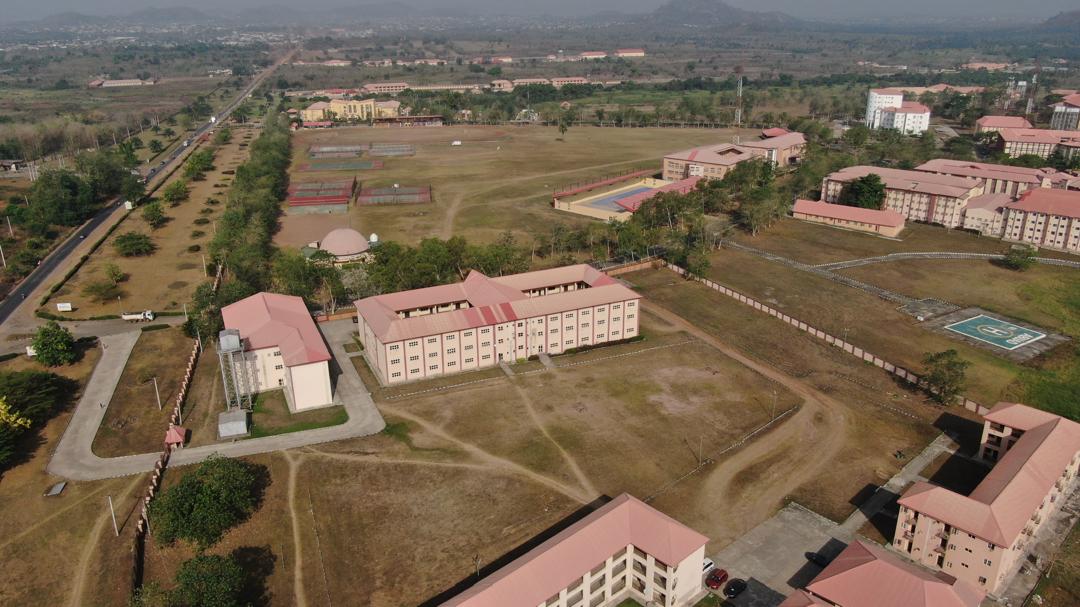
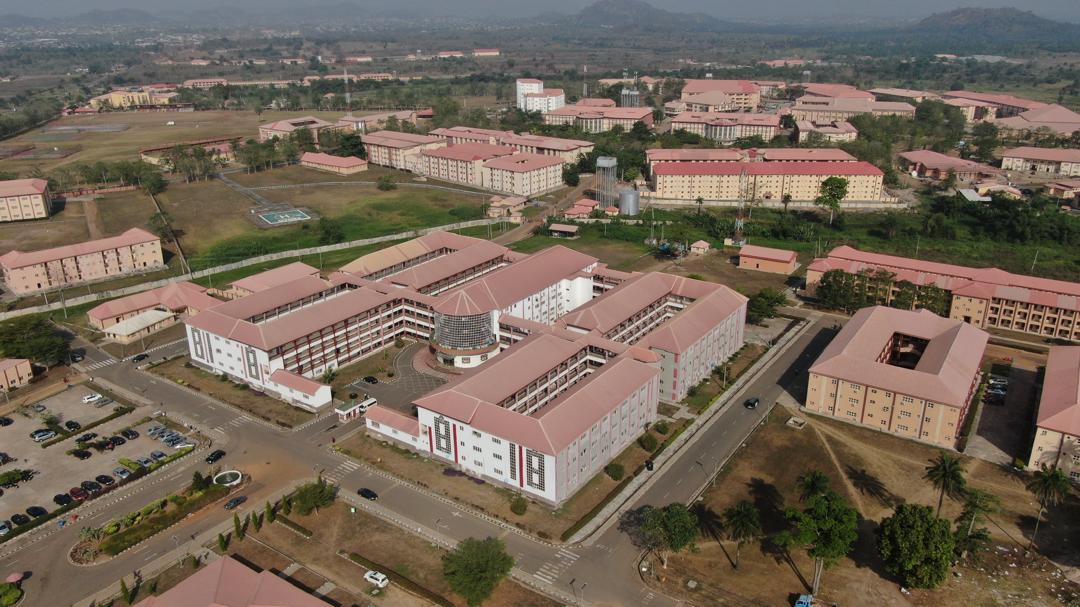
Navigating through the bustling streets of Ado-Ekiti via the centre of Ekiti Parapo Arena, and into the gracious Olusegun Obasanjo Way enroute Aye Ekiti, the institution is situated at an altitude of over 1,500 feet, and located on a 130-hectare piece of land; large enough to birth a kingdom, and accommodate whatever facility dreamt of.
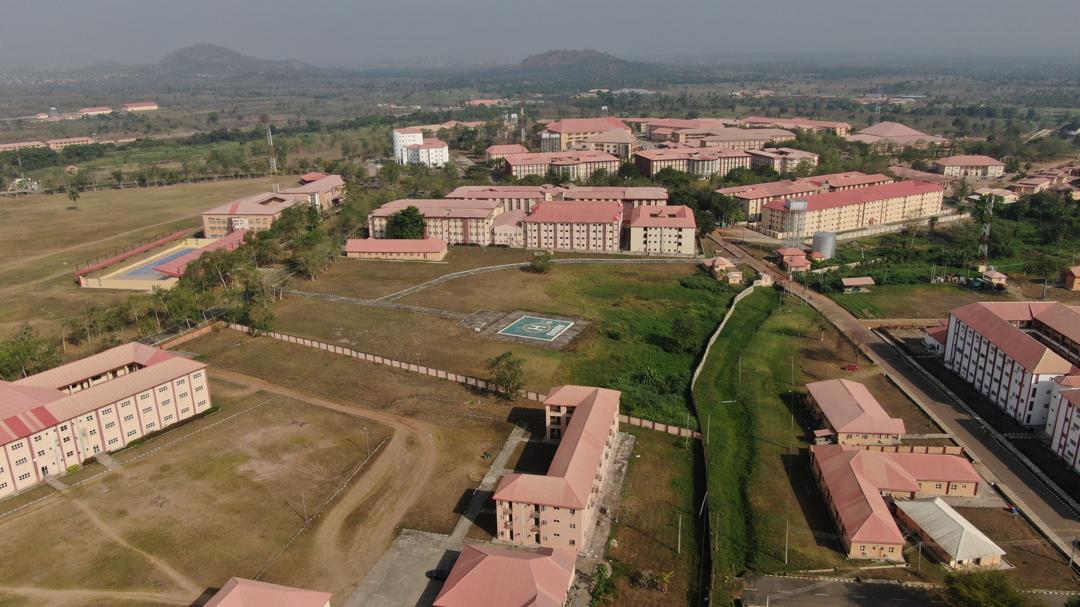
The Boss learnt that the institution was established to address the mismatch between academic programmes and the demands of the labour market in Nigeria.
Established in 2009, in Ado-Ekiti, the capital of Ekiti State, by a distinguished legal icon, academic pillar and seasoned entrepreneur, Prof Afe Babalola, ABUAD has distinguished itself as a force to reckon with in the fields of research and training, developing and churning out creative minds, who have constituting a megaforce in global development.
By the benefit of hindsight, the University offers Academic programmes in seven Colleges: Sciences, Law, Engineering, Social and Management Sciences, Medicine and Health Sciences, Pharmacy and Postgraduate Studies. Beyond the academic ratings, ABUAD boasts of the very best of facilities for health, recreation, environmental, electricity, agriculture and more. It is also a centre of academic discipline with academic and non-academic staff of repute, whose stock-in-trade remain the production of all-round, well-tutored and easy-to-fit personality.
The institution is managed by the Vice Chancellor, Prof Smaranda Olarinde, which academic and administrative catalogue is quiet envious to behold.
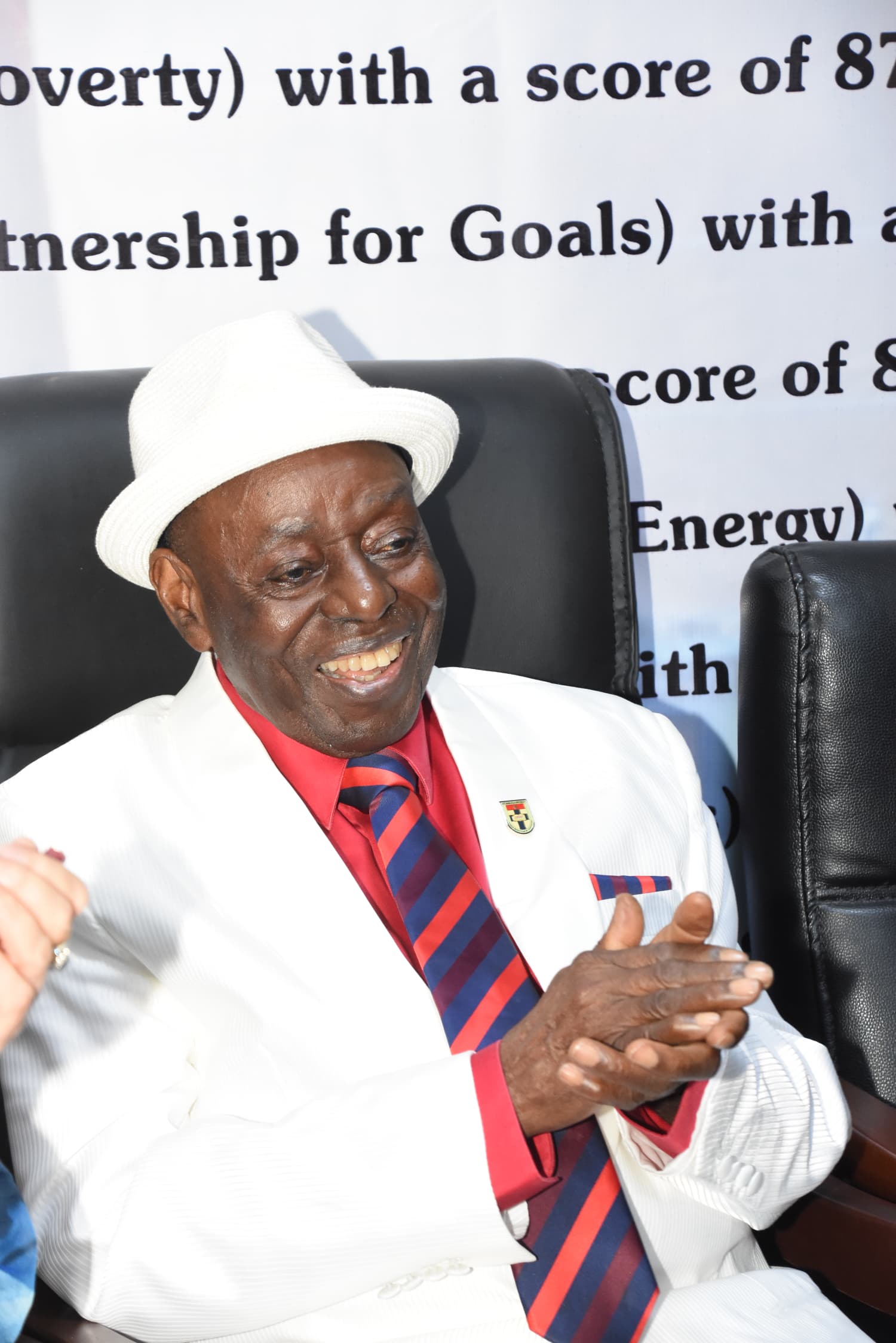
By every standard, the institution merits its Time Higher Education (THE) Impact ranking as at 2025 as the 84th in the world, 3rd in Africa and 1st in Nigeria. Great feat!
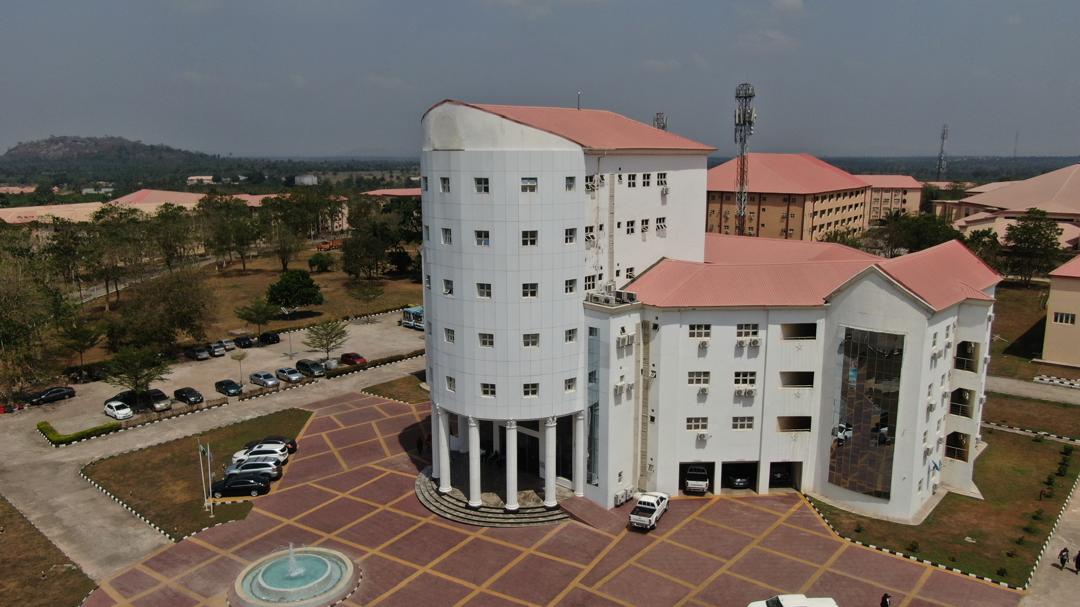
The Engineering College, one of the foremost architectural intelligence on the ABUAD land, is built on three and half acres of land, and is reputed to be one of the largest in Africa. The college was inaugurated by former President Goodluck Jonathan.
Campuses
Admission requirement
The admission requirement for the school varies between the different colleges. However, as with all Nigerian universities, for undergraduate programs the candidate is required to have at least 5 credits in subjects such as mathematics, English language and any other three subjects that are relevant to the course of study. The student is required to have passed the Joint Admission and Matriculation Board JAMB Unified Tertiary Matriculation Examination (UTME), after which the candidate is expected to take an oral interview with an academic staff of the prospective college before admission can be given. The university also offers direct entry admission to students who wish to transfer from another university or have undergone either an Advanced Level program or a degree foundation program. The level at which they are admitted into is decided by the college and varies among them.
Undergraduate colleges
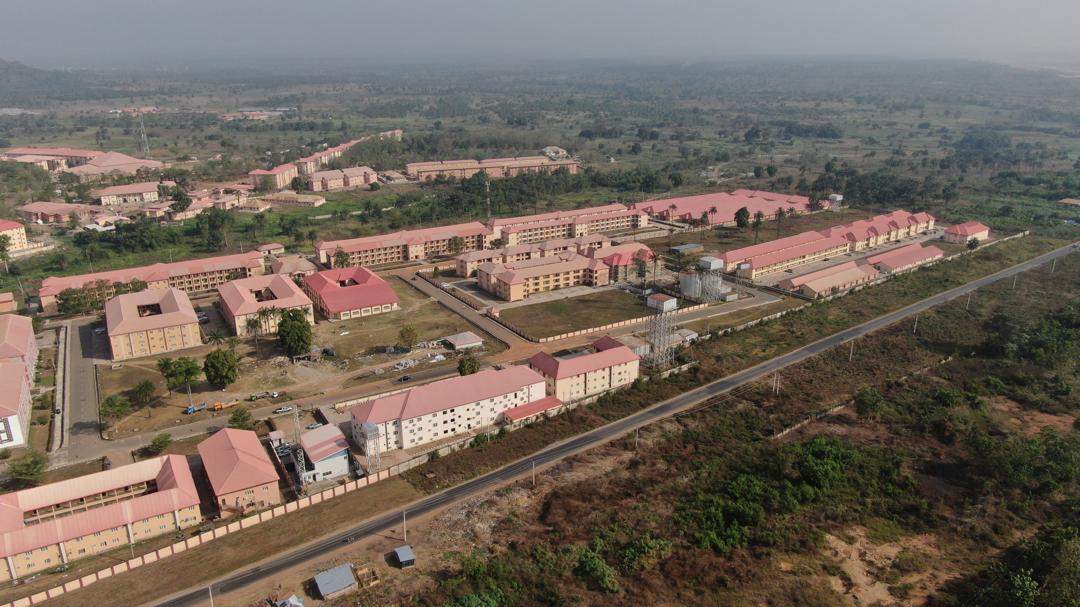
The university operates a collegiate system and has six major colleges. They are the College of Engineering, College of Medicine and Health Sciences, College of Sciences, College of Law, College of Social and Management Sciences, and College of Pharmacy. Some of the colleges offer post graduate programme in some departments.
The College of Law
The College of Law is fully accredited by the National University Commission (NUC) of Nigeria. The college consists of fully furnished classrooms, a common room, a library containing law journals and articles, and a moot court for students to have court practice sessions. There are a number of student chambers in the college backed by a staff mentor who battle against each other in moot court sessions. Associate Prof. Elisabeta Smaranda Olarinde (FCAI) is the pioneer provost of the college of Law and is still the current provost of the college; she is also the acting vice chancellor of the university. The College of Law, which is regarded as one of the best law colleges in Nigeria, offers both undergraduate and post-graduate degrees (master’s level) in law.
The College of Engineering
The college of engineering was accredited by both the NUC and COREN during their one-week visit to the college. The main engineering building which houses laboratories, a central engineering library, lecturer rooms, an auditorium, a central engineering workshop and a certified Festo training center. The engineering building is named after the former Nigerian president Dr. Goodluck Jonathan and was commissioned by him on 20 October 2013 during the university’s first convocation ceremony. Prof. Israel Esan Owolabi served as the pioneer provost of the college of engineering; he stepped down from the post in 2015 and he is currently engaged in teaching activities in the electrical/electronics engineering programme.

Academic programs
- B.Eng. Mechanical Engineering
- B.Eng. Mechatronic Engineering
- B.Eng. Electrical/Electronic Engineering
- B.Eng. Petroleum Engineering
- B.Eng. Civil Engineering
- B.Eng. Chemical Engineering
- B.Eng. Computer Engineering
- B.Eng. Agricultural Engineering
- B.Eng. Biomedical Engineering
- B.Eng. Aeronautical and Astronautical Engineering
The College of Sciences
The College of Sciences is one of the pioneer colleges of the university after the university’s approval by the Nigerian University Commission (NUC). The university admitted students at inception on 4 January 2010.
Academic programs
- B.Sc. Microbiology
- B.Sc. Human Biology
- B.Sc. Biotechnology
- B.Sc. Biochemistry
- B.Sc. Chemistry
- B.Sc. Industrial Chemistry
- B.Sc. Computer Science
- B.Sc. Geology.
- B.Sc. Physics with Electronics
- B.Sc. Physics
- B.Sc. Petroleum Chemistry
- B.Arch Architecture
The College of Social and Management Sciences
At inception, on 4 January 2010 the university admitted students into the College of Social and Management Sciences, being one of the pioneer colleges of the university. The session ran smoothly without hitches from 4 January to August 2010. The second session of the university started on October 4, 2010, with over 1,000 students. So far the, university has maintained strict compliance with its academic calendar which makes it possible for students to pre-determine their possible date of completion of their programmes even before enrolment. It has been the policy of the university to post on-line students’ results within 24hours of approval by the Senate.

Academic programs
- B.Sc. Economics
- B.Sc. Accounting
- B.Sc. Banking and Finance
- B.Sc. Business Administration
- B.Sc. Tourism and Events Management.
- B.Sc. Political Science
- B.Sc. International Relations and Diplomacy
- B.Sc. Peace and Conflict Studies
- B.Sc. Intelligence and Security Studies
- B.Sc. Social Justice
- B.Sc. Communication and Media Studies
- B.Sc. Marketing
- B.Sc. Entrepreneurship
- B.Sc. Sociology
The College of Medicine and Health Sciences
The college commenced activities in October 2011 having been approved by National Universities Commission.
Academic programs
- Medicine and Surgery (M.B.B.S)
- B.NSc. Nursing Sciences
- B.MLS. Medical Laboratory Science
- B.Sc. Anatomy
- B.Sc. Physiology
- B.Sc. Human Nutrition and Dietetics
- B.Sc. Pharmacology
- B.Sc. Public Health
- Pharm.D Pharmacy
- B.DS. Dentistry
- OD. Optometry
The College of Arts and Humanities
Academic programs
- B. A. Performing Arts
- B. A. English
- B. A. History and International Studies
- B. A. Linguistics
The College of Agriculture
Academic programs
- B. Agric. Animal Science
- B. Agric. Agricultural Economics
- B. Agric. Extension Education
- B. Agric. Crop Science
- B. Agric. Soil Science
Postgraduate college
The university operates a collegiate system and has five major Postgraduate colleges. They are the College of Engineering, College of Medicine and Health Sciences, College of Sciences, College of Law and College of Social and Management Sciences.
ABUAD INDEPENDENT POWER PROJECT
To harness thorough academic and character building, the institution is operated off the national grid as it is run on its own power project, with a dam that powers its electrical needs.
HEALTH AND AGRICULTURE
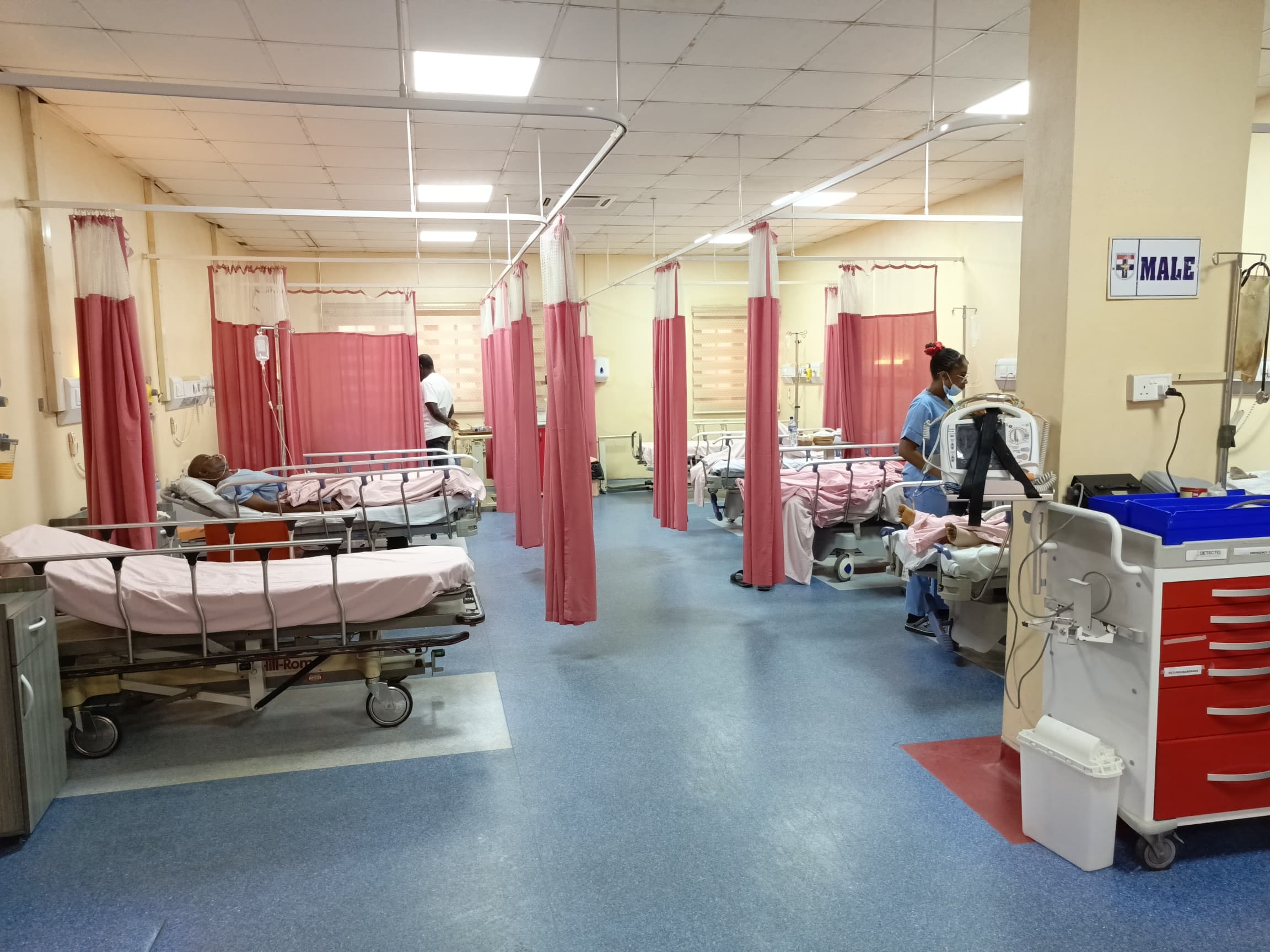
ABUAD operates of the best medical schools and facilities in the country as it boasts of almost all equipment, space and atmosphere for sundry medical conditions, with reputable medical personnel to complement the environment.
In the vein, the institution runs a developed farming culture, that accommodates rearing of livestock and production of cash and food crops.
The farm sits on a large expanse of loamy soil, complimented with consistent flow of irrigation and drainage, and maintained with the classic of horticulture. The settlement is run by a team of professionals made up of Agroeconomists, horticulturist and more.
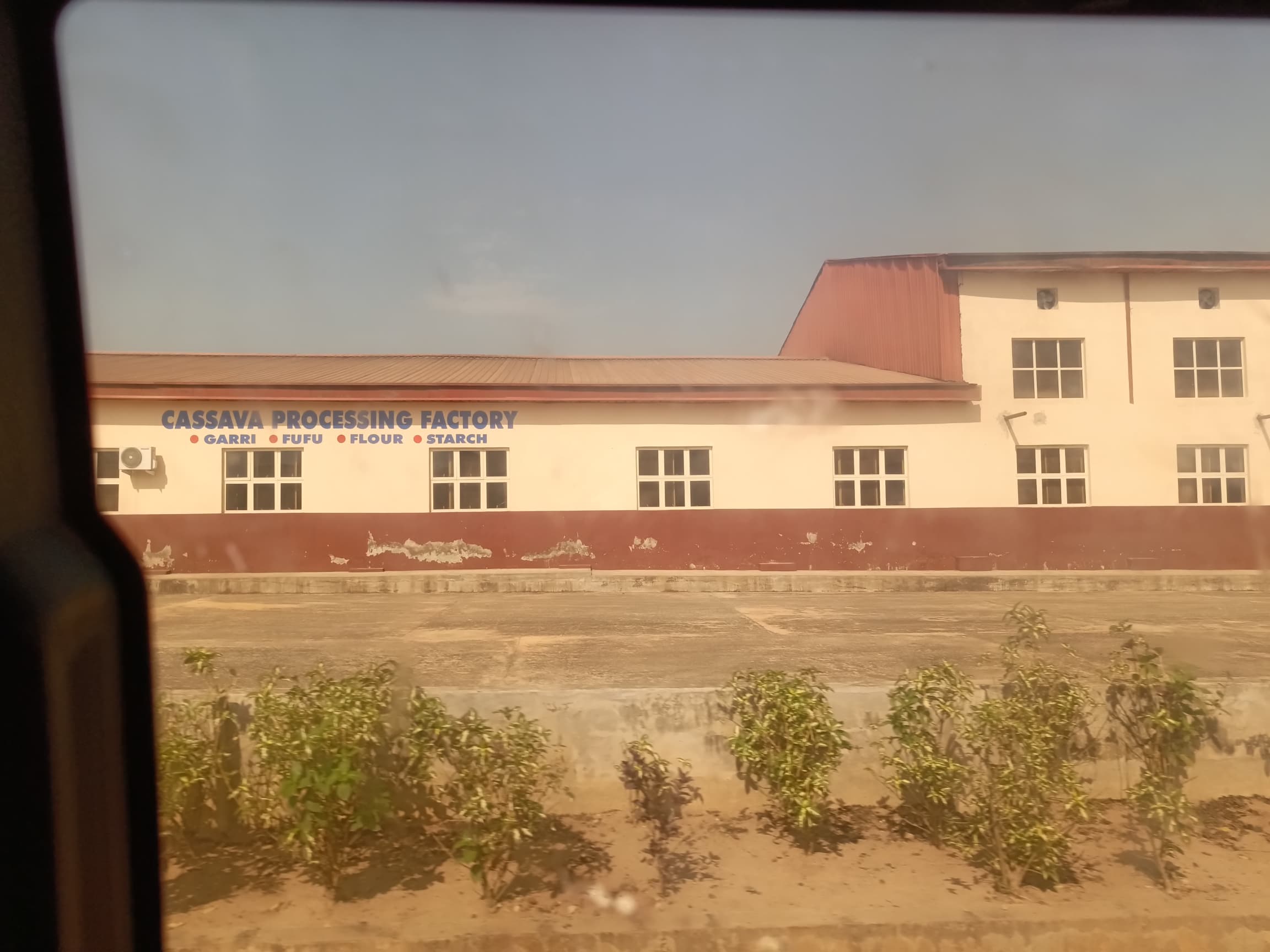
It is also worth knowing that the school has its Cassava Processing Factory just as it operates a self sustaining Carbonated Drink Factory.
ABUAD practically offers everything!
ABUAD’S FOUNDER, AARE AFE BABALOLA
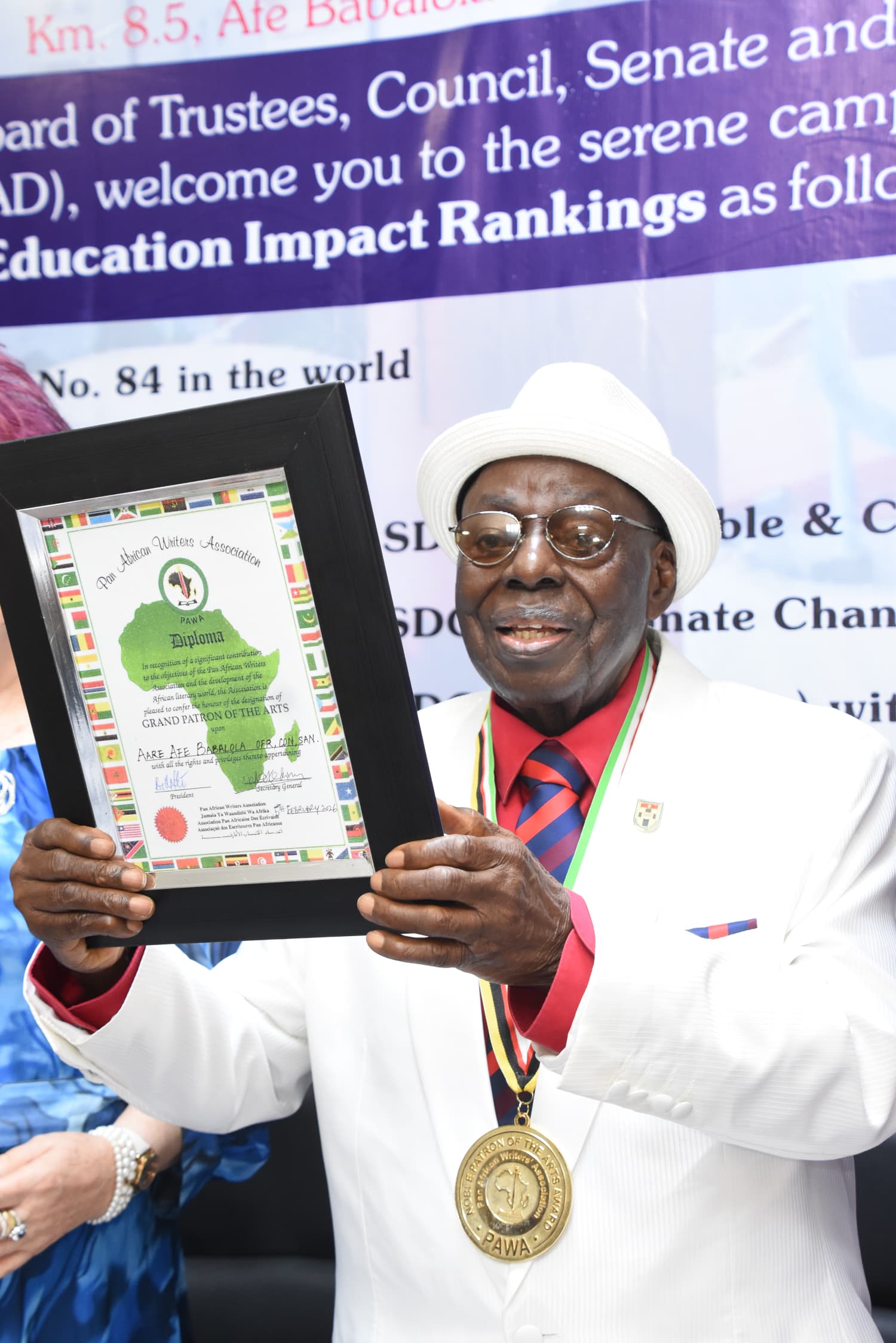
Born in 1929, Aare Afe Babalola SAN is one of the most distinguished legal luminaries of his generation, renowned both in Africa and globally for his profound contributions to the legal profession and the advancement of education. With over five decades of uninterrupted legal practice, Aare Babalola’s career is a testament to exceptional dedication, strategic advocacy, and visionary leadership.
A highly accomplished advocate, he has led some of the most celebrated cases in Nigerian legal history, representing high-profile clients, including government institutions, multinational corporations, and individuals. His advocacy spans domestic and international courts, including contributions as a consultant to the Federal Government of Nigeria, World Bank, and various conglomerates. His extensive experience includes his role in arbitration, both locally and internationally, where he remains a respected authority. Aare Babalola has appeared in numerous landmark cases, shaping Nigerian jurisprudence and establishing himself as one of the nation’s most formidable legal minds.
His influence goes beyond the courtroom. As the Founder of Afe Babalola & Co. (Emmanuel Chambers), one of Nigeria’s leading law firms, Aare Babalola has trained over 300 lawyers, including 14 Senior Advocates of Nigeria (SANs), judges, and attorneys-general, making his chambers one of the most significant contributors to the legal profession in Nigeria. His exceptional litigation skills and legal acumen earned him the prestigious title of Senior Advocate of Nigeria (SAN) in 1987, cementing his place at the pinnacle of legal practice in the country.
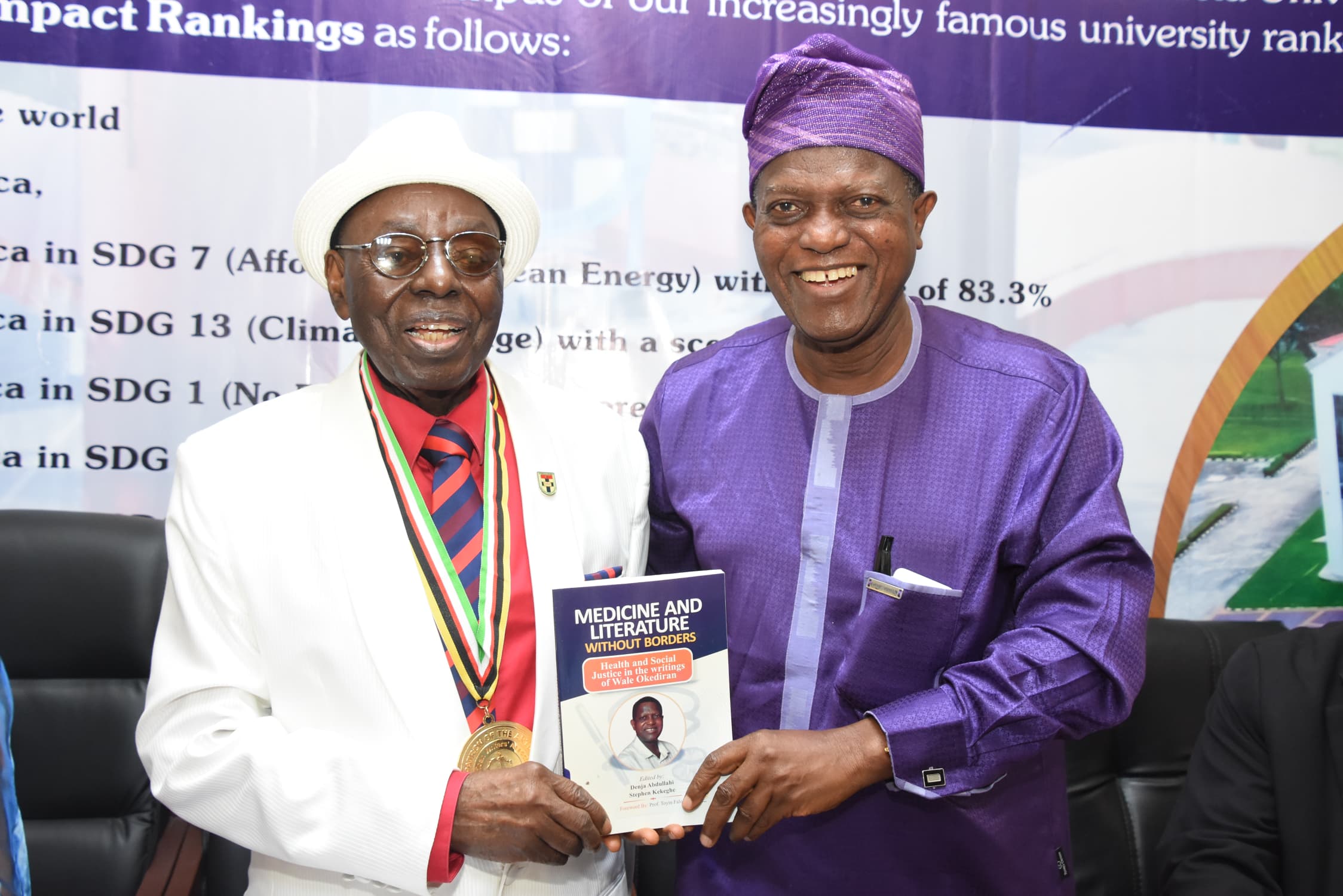
A renowned scholar and author, Aare Babalola has authored several authoritative legal texts, including Injunctions and Enforcement of Orders and Law and Practice of Evidence in Nigeria. His contributions to legal education extend to teaching at the Nigerian Institute of Advanced Legal Studies and delivering lectures at prestigious universities such as the University of Lagos and the University of Ibadan. His popular column, YOU AND THE LAW, published in the Nigerian Tribune, reflects his commitment to educating the public on legal matters.
Beyond his legal practice, Aare Babalola has made extraordinary strides in education. His experience as Pro-Chancellor and Chairman of the Governing Council of the University of Lagos (2001-2007) exposed him to the declining standards of education in Nigeria, spurring him to establish Afe Babalola University, Ado-Ekiti (ABUAD).
ABUAD has quickly become a beacon of academic excellence, setting new standards in Nigeria’s educational system. His efforts in education have been recognized globally, with numerous honorary degrees from universities, including the University of London, University of Lagos, and Ekiti State University.
Aare Babalola’s leadership in academia and law has earned him numerous accolades, including the Officer of the Federal Republic (OFR), Commander of the Order of the Niger (CON), and international recognition such as the Queen Victoria Commemorative Award at the Socrates Awards in Oxford, UK. He was named Africa Man of the Year on Food Security and awarded an Honorary Doctor of Management by the Federal University of Technology, Akure. His groundbreaking achievements continue to inspire generations of lawyers and leaders across Africa and beyond.
In addition to his legal and educational contributions, Aare Babalola remains a committed philanthropist and advocate for reform in various sectors. His vast experience, unmatched expertise, and unwavering commitment to excellence make him not only a legal icon but also a trailblazer in the fight for quality education and justice.
Key Achievements:
- Senior Advocate of Nigeria (SAN), 1987.
- Officer of the Federal Republic (OFR).
- Commander of the Order of the Niger (CON).
- Pro-Chancellor and Chairman of the Governing Council, University of Lagos (2001-2007).
- Founder and Chancellor, Afe Babalola University, Ado-Ekiti (ABUAD).
- Queen Victoria Commemorative Award winner, Oxford UK.
- Fellow, Nigerian Institute of Advanced Legal Studies.
- Honorary Doctor of Laws from the University of London, Ekiti State University, University of Lagos, and more
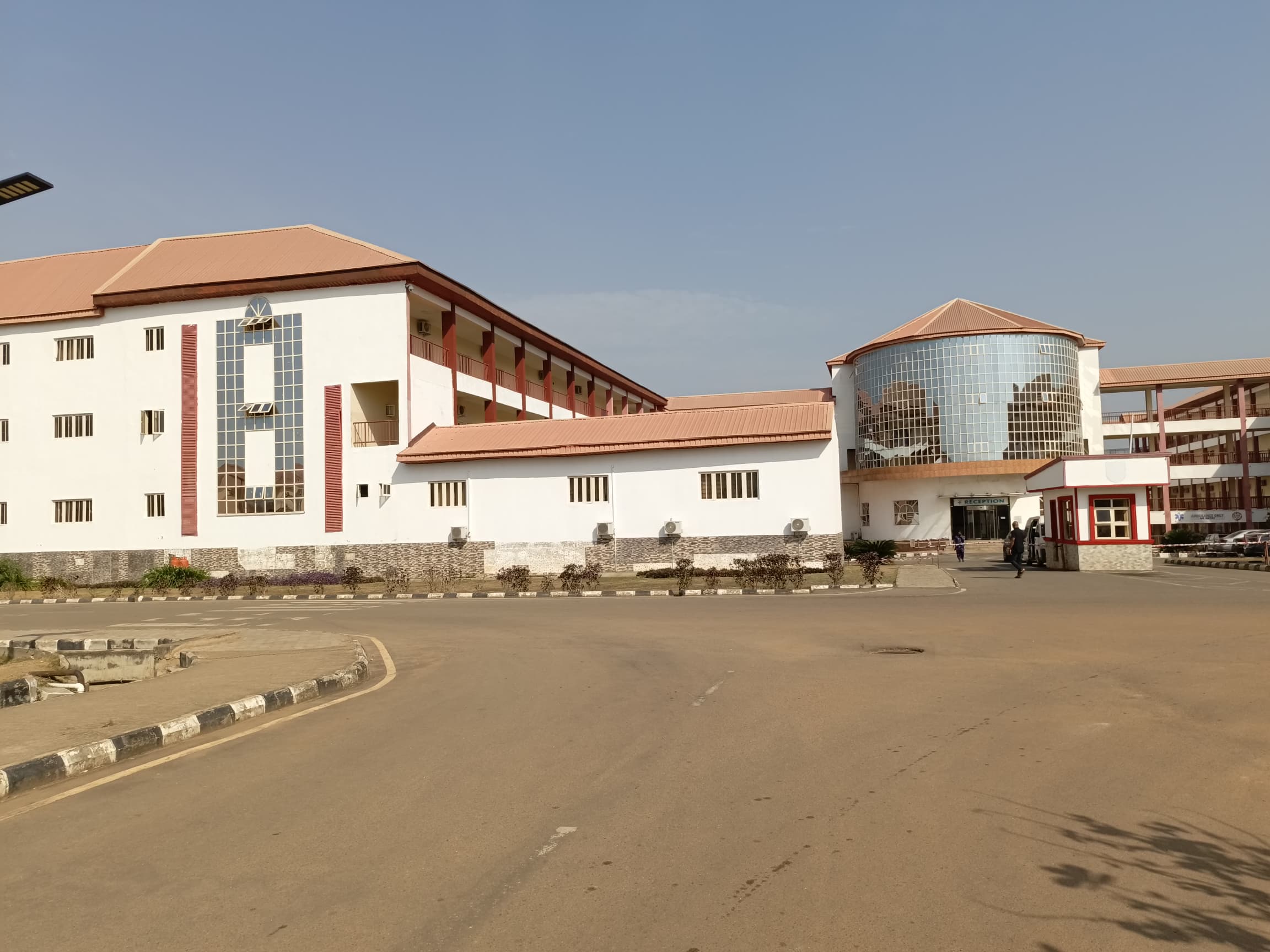
ABUAD is a legacy, just like its Founder, Afe Babalola SAN.
Photos: Ben Osei and Ken Ehimen

Other Articles

Voice of Emancipation: Yoruba Nation: The Long Road to Freedom