
Featured
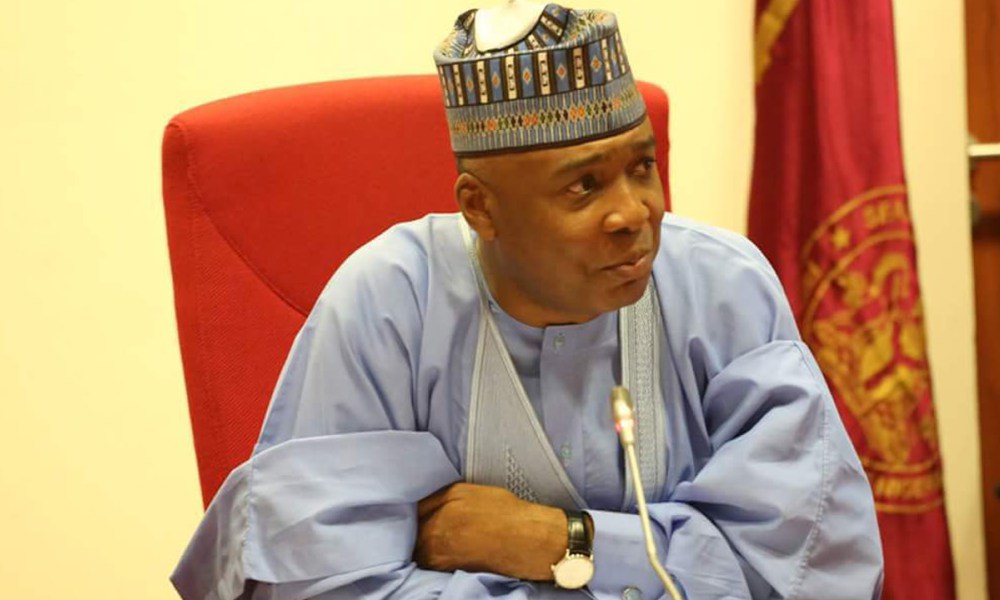
Saraki Summons Emergency Meeting of NASS Leadership

Featured
Group Celebrates Gov Umo Eno at 60 with Visits to Hospitals, Prisons, Empowerment of 60 Persons

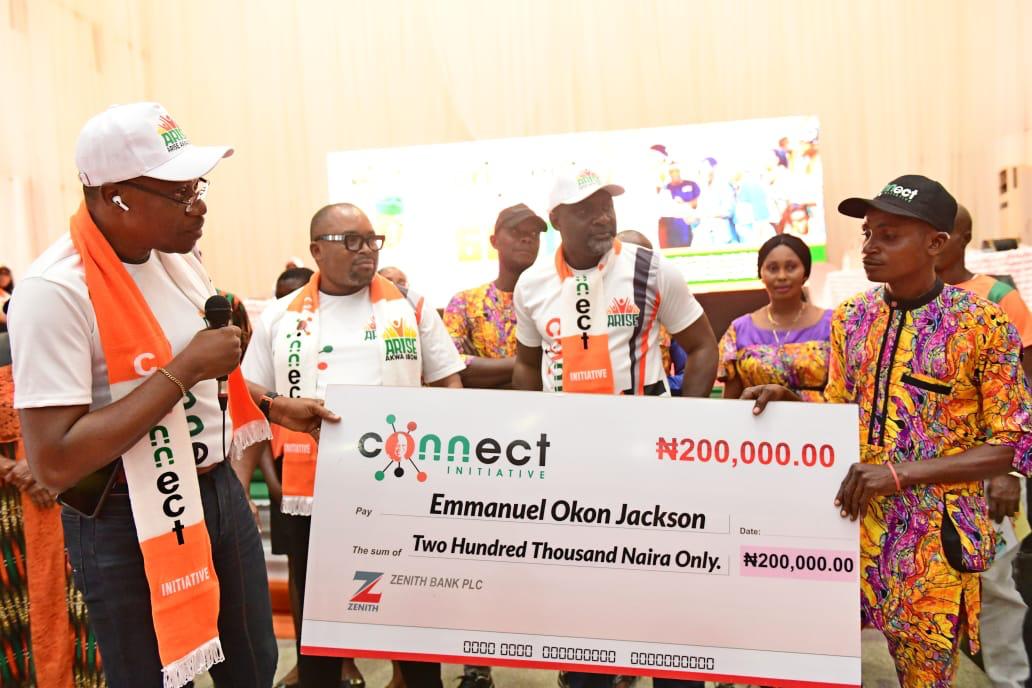

In celebration of the 60th birthday of Akwa Ibom State Governor, Pastor Umo Eno, the socio-political group, Connect Initiative, has embarked on a series of impactful initiatives.
They have empowered 60 vulnerable individuals and extended compassionate visits to hospitals and prisons across the state.
The group made up of professionals and entrepreneurs kicked off its activities with a low-key ceremony where 60 indigent people were given financial support.
The beneficiaries were carefully selected from across the 31 LGAs of the state.
In his opening remarks, the group’s Chief Conector, Dr Frank Ekpenyong, stated that the organisation decided to toe this line because it is the right thing to do putting into consideration the present realities in Nigeria.

He noted that the event which was to commemorate the birthday of Governor whom he described as a humble, compassionate and visionary leader that believes in development from the bottom up.
Dr Frank said that Comnect Initiatives will soon up the ante in terms of standing in the gap for government through impactful programmes and projects
In the course of the ceremony, seven respected Akwa Ibom indigenes were inducted into the Connect Forum: Sir Okon Okon, Captain Iniobong Ekong ( Retd), Aniekan Essienette, Ime Udo, Murphy Esin, Hon. Mbosowo David and Mrs Imobong Akamba.
The group then began the next day with a visit to the St. Luke’s Hospital, Anua, Uyo LGA where they cleared the bills of some indigent patients.

The patients who were in the maternity, female surgical and paedetric wards had concluded their treatments but could not be discharged due to inability to pay their bills.
All the patients: Patricia Victor Brown ( from Itu LGA), Nkoyo Edet Okon ( Oron LGA), Emem Gabriel David ( Nsit Ubium), Enobong Gabriel Emmanuel and Mavelous Bassey were thankful for this womderful intervention of Connect Initiative on behalf of the governor.
The most moving moment of the visit was the case of Mrs Magdalene Okon Edet. After listening to the pathetic story of her surgery and condition afterwards, the group decided on-the-spot to foot her over N400,000 bill.
She and her family broke into uncontrollable tears of joy.

In addition, during the ward rounds, the team was given the cheering news that a mother had earlier that day been delivered of a baby girl.
Not only was the Ebong family’s bill settled, when the good news was relayed to HE Governor Umo Eno that he now had a new birthday mate, he immediately requested to meet with the father of the baby.
The lucky father was acknowledged and presented with special gift by the Governor during the commissioning of Atiku Abubakar Way project in the presence of former President Goodluck Jonathan.
In his remarks, Rev. Father Gabriel Ekong the hospital Administrator thanked Connect Initiative for embarking on this noble cause that has brought relief and joy to many homes.

While praying that God would replenish the pockets of all those who contributed to the kind gesture, he applauded the vision of Governor Umo Eno for urging wellwishers to embrace charitable causes instead of spending the funds on parties or other unproductive endeavours.
He used the opportunity to pray for excellent health and wisdom for Governor Eno, while wishing him a very successful tenure in government.
The next port of call for the Connect Initiative members was the Methodist General Hospital, Ituk Mbang, Uruan LGA.
There, the team visited the wards where Baby Favour Edidiong, Joyce Isaac Mbaba, Imeh Phillip Etukudo, Prince Asuquo Okon and Nko Etim Umoh were all cleared to go home with a commitment that all their outstanding bills would be fully paid. Again the patients erupted in happiness and were full of prayers and praise for the celebrant and Connect Initiative.

The Hospital Superintendent, Dr Aniekan in his remarks thanked the group for this humanitarian gesture, adding that this act was worthy of emulation by other organisations
The day was rounded off at the Minimum Correctional Centre, Uyo where the team pledged to pay the fines of 13 inmates with minor offences
Speaking to journalists after the visits, the President-General of the group, Ms Idy Ekwo stated that its itinerary was carefully planned in accordance with the wishes of the celebrant, Governor Umo Eno.
She noted that based on what was discovered during the visits, Connect Initiative would make charitable interventions a more frequent affair.
More Images Below:




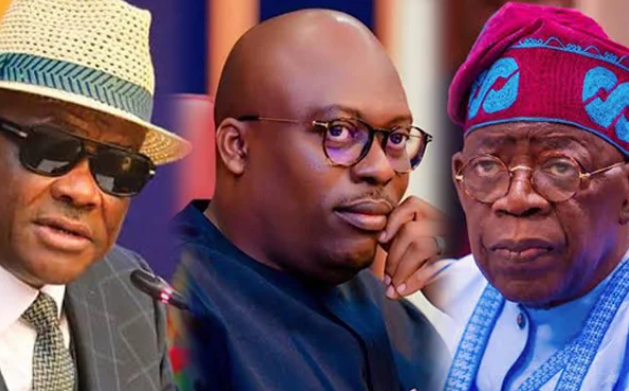
Court Vacates Order for Arrest of Fubara’s CoS, Says It’s Mere Academic Exercise

Rivers: Wike’s Men Reject Reployment, Resign from Fubara’s Govt

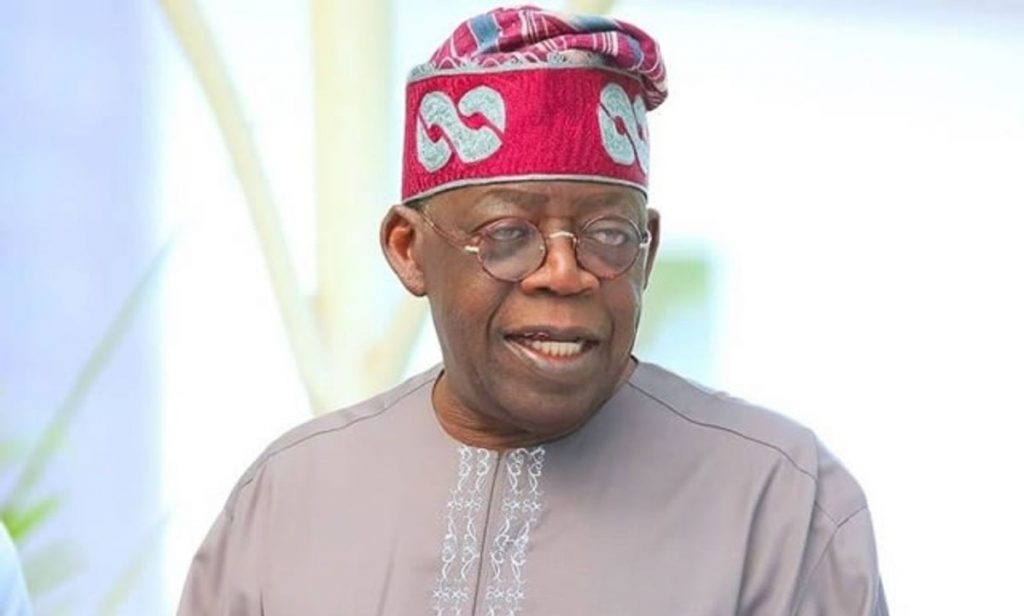
Tinubu Approves Credit Scheme Takeoff to Facilitate Purchase of Cars, Houses

Group Celebrates Gov Umo Eno at 60 with Visits to Hospitals, Prisons, Empowerment of 60 Persons

Again, DStv, Gotv Jack Up Subscription Rates

Dr. Ogbonnaya Onu: One Death Too Many

How Yahaya Bello Used Kogi’s $720k to Pay Children’s School Fees in Advance – EFCC Chairman

Nigerian Engineer Wins $500m Contract to Build Monorail Network in Iraq

WORLD EXCLUSIVE: Will Senate President, Bukola Saraki, Join Presidential Race?

World Exclusive: How Cabal, Corruption Stalled Mambilla Hydropower Project …The Abba Kyari, Fashola and Malami Connection Plus FG May Lose $2bn

Rehabilitation Comment: Sanwo-Olu’s Support Group Replies Ambode (Video)

Pendulum: Can Atiku Abubakar Defeat Muhammadu Buhari in 2019?

Fashanu, Dolapo Awosika and Prophet Controversy: The Complete Story
Pendulum: An Evening with Two Presidential Aspirants in Abuja

Who are the early favorites to win the NFL rushing title?
Boxing continues to knock itself out with bewildering, incorrect decisions
Steph Curry finally got the contract he deserves from the Warriors
Phillies’ Aaron Altherr makes mind-boggling barehanded play
The tremendous importance of owning a perfect piece of clothing
-
 News6 years ago
Nigerian Engineer Wins $500m Contract to Build Monorail Network in Iraq
-
 Featured6 years ago
WORLD EXCLUSIVE: Will Senate President, Bukola Saraki, Join Presidential Race?
-
 Boss Picks6 years ago
World Exclusive: How Cabal, Corruption Stalled Mambilla Hydropower Project …The Abba Kyari, Fashola and Malami Connection Plus FG May Lose $2bn
-
 Headline6 years ago
Rehabilitation Comment: Sanwo-Olu’s Support Group Replies Ambode (Video)
-
 Headline6 years ago
Pendulum: Can Atiku Abubakar Defeat Muhammadu Buhari in 2019?
-
 Headline5 years ago
Fashanu, Dolapo Awosika and Prophet Controversy: The Complete Story
-
Headline6 years ago
Pendulum: An Evening with Two Presidential Aspirants in Abuja
-

 Headline6 years ago
2019: Parties’ Presidential Candidates Emerge (View Full List)