
Headline
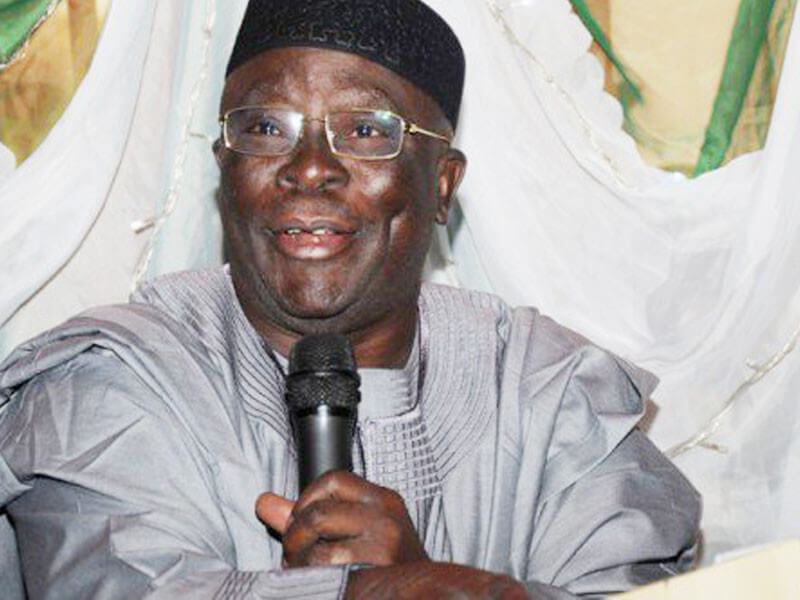
Obasanjo is Never One of Us – Ayo Adebanjo

Headline
Akwa Ibom Government, Governor Umo Eno Receive Top Honors at the 10th Wonders of the World Expo in Lagos

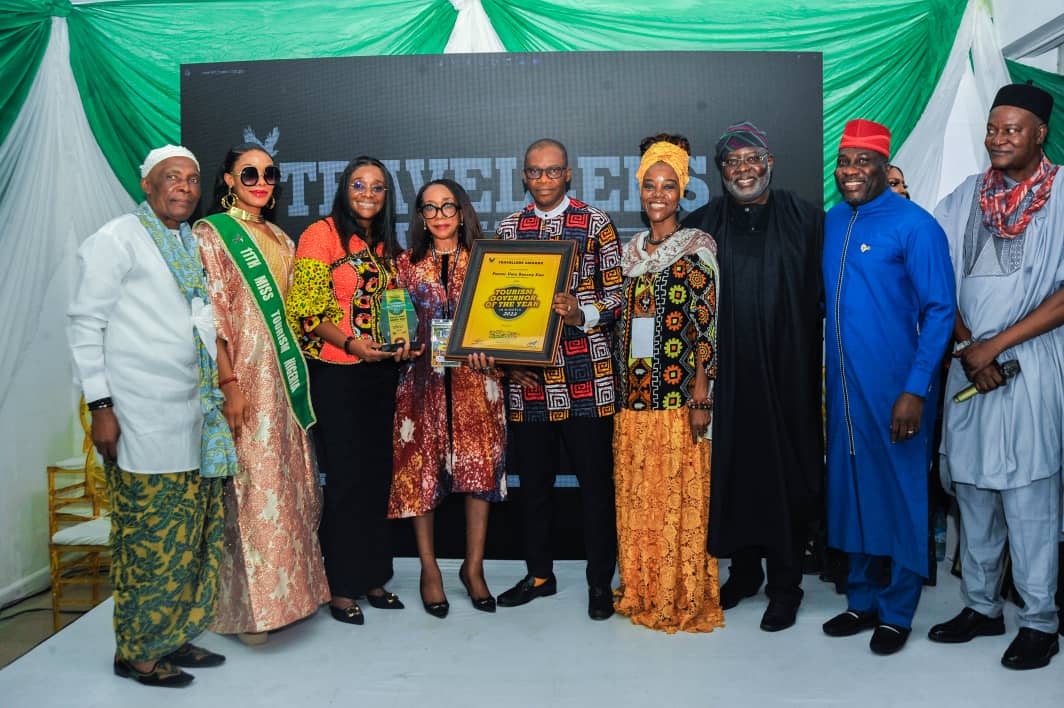

The Akwa Ibom State Government and Governor Pastor Umo Eno were recognized with Travellers Awards at the 10th Wonders of the World Expo in Lagos for their sustained enhancement of infrastructure, support for local talent, and dedication to investment in the tourism sector. The ceremony took place at the National Museum in Onikan, Lagos.
While Akwa Ibom won the Most Active Tourism State of the Year, Governor Eno was adjudged the most Tourism-Friendly Governor of the Year at the event that had Minister of Tourism, Mrs. Lola Ade John in attendance.
According to Amb. Ikechi Uko, Founder/Publisher of ATQ Magazine, the organizers of the event which is in its tenth edition, Akwa Ibom State won the top prize “in recognition of its valiant and resourceful efforts to drive and sustain domestic tourism by promoting the industry.

‘In 2023, Akwa Ibom was one of the states that hosted World Tourism Day (WTD ) events. The state also organized the famous Christmas Unplugged, which featured music, food, and cultures from all 31 LGAs as well as ensured friendly policies.”
While hoping that the Travellers Awards would spur Akwa Ibom to do more to dominate the domestic tourism industry, the organizers hoped that the state would gradually evolve into one of Nigeria’s top international tourism destinations.
That was not all, the state Commissioner of Culture and Tourism, Sir Charles Udoh was also recognized as one of the Top 100 Tourism Personalities in Nigeria for demonstrating exceptional leadership and innovation in the travel and tourism industry, while other Akwa Ibom indigenes and entity were also celebrated: Mrs. Ime Udo, Honorary Special Adviser to the Governor( Tourism) won Tourism Promoter of the Year, Favour Udo won Tourism Photographer of the Year, Loretta Effiong and Prince Uduak Sunday (Qua Tours) were listed among the Tourism Personalities of the Year and Ibom Air won Airline of the Year International.

In his remarks, Sir Charles Udoh, who represented the Governor at the event, thanked the organizers for the awards and noted that Akwa Ibom is certainly enjoying the golden era when it comes to tourism development. He stated that Governor Umo Eno is very keen on making Akwa Ibom a leading tourism destination with his programmes and policies.
He revealed that with the new Victor Attah International Airport nearing completion, the purchase of a ferry for the Oron-Calabar route, new developments along its coastline and the restoration work that will be done at all its major tourism sites, Akwa Ibom is well on the way to becoming the number one destination for all domestic and foreign tourists.
In her speech, Tourism Minister, Mrs. Ade John hailed the organizers for hosting the Expo, where practitioners were lectured by top experts while also rewarding those who have excelled in the past year.
She affirmed that her ministry is open to partnership with public and private sector operators, adding that tourism development can only be successful through collaborative efforts.
The event, which attracted leading and budding tourism professionals, also featured interactive and entertainment sessions.
Apart from Sir Charles Udoh and Mrs. Ime Udo, the Akwa Ibom State delegation, also included: Mr. Michael Effiong James, Senior Special Assistant (Lagos Liaison) to Governor, Mrs. Eme Bassey, Special Assistant to Governor (Lagos Liaison) and Akparawa John Offiong, Deputy Director ( Culture) Ministry of Culture and Tourism.
More photos below:




I’ll Resign If Yaya Bello Eacapes Prosecution, EFCC Chair Vows

Nigeria Air Scam: EFCC Arrests Former Aviation Minister, Hadi Sirika

Dana Air Confirms Runway Excursion Involving It’s Aircraft, Says Passengers, Crew Safe

Kwibuka 30: Nigerian Community In Rwanda Visits Kigali Genocide Memorial

FG Mulls Review of Admission Age into Nigerian Universities

Lagos-Calabar Coastal Highway: Prioritize Existing Unfinished Projects, Peter Obi Tells FG

FirstBank Appoints New MD/CEO, Alebiosu

Nigerian Engineer Wins $500m Contract to Build Monorail Network in Iraq

WORLD EXCLUSIVE: Will Senate President, Bukola Saraki, Join Presidential Race?

World Exclusive: How Cabal, Corruption Stalled Mambilla Hydropower Project …The Abba Kyari, Fashola and Malami Connection Plus FG May Lose $2bn

Rehabilitation Comment: Sanwo-Olu’s Support Group Replies Ambode (Video)

Pendulum: Can Atiku Abubakar Defeat Muhammadu Buhari in 2019?

Fashanu, Dolapo Awosika and Prophet Controversy: The Complete Story
Pendulum: An Evening with Two Presidential Aspirants in Abuja

Who are the early favorites to win the NFL rushing title?
Boxing continues to knock itself out with bewildering, incorrect decisions
Steph Curry finally got the contract he deserves from the Warriors
Phillies’ Aaron Altherr makes mind-boggling barehanded play
The tremendous importance of owning a perfect piece of clothing
-
 News6 years ago
Nigerian Engineer Wins $500m Contract to Build Monorail Network in Iraq
-
 Featured6 years ago
WORLD EXCLUSIVE: Will Senate President, Bukola Saraki, Join Presidential Race?
-
 Boss Picks6 years ago
World Exclusive: How Cabal, Corruption Stalled Mambilla Hydropower Project …The Abba Kyari, Fashola and Malami Connection Plus FG May Lose $2bn
-
 Headline6 years ago
Rehabilitation Comment: Sanwo-Olu’s Support Group Replies Ambode (Video)
-
 Headline6 years ago
Pendulum: Can Atiku Abubakar Defeat Muhammadu Buhari in 2019?
-
 Headline5 years ago
Fashanu, Dolapo Awosika and Prophet Controversy: The Complete Story
-
Headline6 years ago
Pendulum: An Evening with Two Presidential Aspirants in Abuja
-

 Headline6 years ago
2019: Parties’ Presidential Candidates Emerge (View Full List)